Recipes

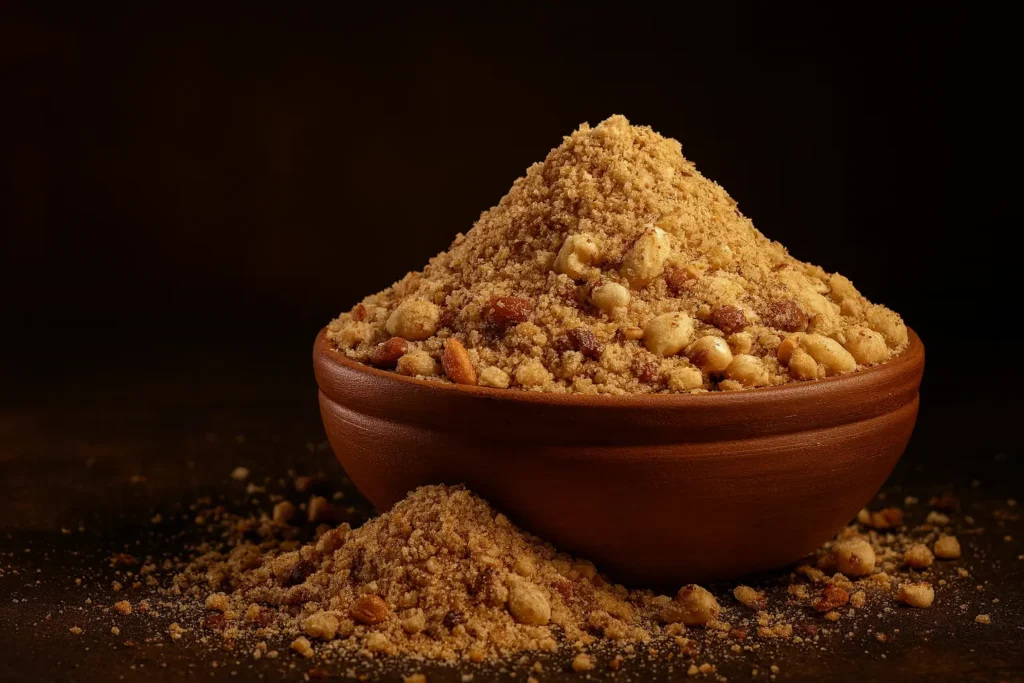
Organic Panjeeri in a clay bowl, made with almonds, Tragacanth Gum, lotus seeds, and whole grains

Organic Panjeeri: Traditional Superfood for Energy, Digestion & Healing

What Is Organic Panjeeri and Why Is It Still Relevant Today? Organic Panjeeri doesn’t come with a barcode — and it doesn’t need one to give you real energy. Let’s stop pretending it has to come from a bottle or packet. Organic Panjeeri — it’s this old-school mix. Feels more like medicine than dessert. Except it’s neither. It’s… food. Real food. If you’ve spent time in Punjabi households, or even just around women who’ve given birth, you’ve probably seen it. A tin on the counter. A spoon, half dipped. Sometimes warm. Sometimes crumbly. It’s always there. What is it exactly? Roasted flour. Usually chickpea. Nuts, seeds, jaggery, spices like ajwain and fennel. All bound together with ghee. You toast it. Stir it. It takes time. But that’s part of it — the slowness is healing, too. They used it — still use it — after childbirth. Winter days demanded it. So did weak limbs and worn-out minds. When your body felt like it had nothing left to give—this was the thing that pulled you back. And today? With people fried, bloated, anxious, energy-drained — it makes more sense than ever. If you want real data: this article on the nutritional profile of Panjeeri laddu as a traditional postpartum supplement gives much stronger evidence — it details calorie content, vitamins, minerals, protein, and fatty acid composition, all in a peer‑reviewed context Lippincott Journals. That puts panjeeri firmly outside cultural myth — it’s documented function, not just tradition. Core Benefits of Organic Panjeeri Backed by Nutrition Science 1. Clean Energy from Real Ingredients (No Spikes, No Crashes) Let’s get one thing out of the way. Energy? It’s not about how fast something hits. It’s about how long it stays. Panjeeri works because it burns slow. Not flashy. Not instant. Just steady. You’re not buzzing after eating it. Still, two hours later? You’re going strong. 2. Organic Panjeeri for Better Digestion and Gut Comfort Let’s talk gut. Most people walk around bloated and don’t even realize that’s not normal. Panjeeri hits that from a few angles: It’s not a laxative. It’s support. And no — this isn’t just old wisdom. A medical study showed that fennel helped reduce gas and bloating after childbirth, just as well as regular anti-gas medicine. It worked gently. No harsh side effects. People were using this blend to calm the stomach long before anyone started talking about probiotics or gut bacteria. 3. Healing and Immunity Support During Postpartum & Stress Here’s something people don’t say enough: recovery needs fat. You lose more than calories during stress. Or childbirth. Or illness. You lose nutrients. Warmth. Balance. Panjeeri puts those back: And it’s warm. That’s part of the medicine. Especially postpartum. In a 2024 nutritional study on Panjeeri laddu – purpose-built for postpartum recovery — researchers found it calorie-rich and full of protein, healthy fats, minerals like iron and magnesium, and vitamins B and E. That scientific profile maps directly to why it’s still relied on in postpartum nutrition plans. This isn’t comfort food. Instead, it’s rebuilding food. Real nutrients meant to help you recover and recharge. 4. Nutrient Density for Healthy Weight Gain Not everyone’s trying to lose weight. Some folks — underweight, post-illness, post-op — need to gain. But cleanly. You don’t want junk. You want calories that heal. Panjeeri hits that sweet spot. For someone who’s lost appetite, or can’t eat big meals, a couple of tablespoons of this… it goes a long way. Ingredient Breakdown: What Makes Organic Panjeeri a Functional Superfood? Let’s not kid ourselves. “Superfood” is slapped on everything now — quinoa, chia, whatever’s trendy. But this? This mix earns the title. Because every spoonful does something. It’s not for show. Let’s break it down — not with marketing fluff — just plain food truth: Chickpea flour This one’s not just protein — it’s fuel with fiber. Keeps blood sugar from nosediving. It brings iron too, the kind your body actually uses. There’s research showing chickpea flour helps keep things steady in your system. For example, it regulates digestion, blood sugar, and appetite. Ghee It’s not just fat. It has fatty acids that aren’t empty—they feed your cells. Plus, research shows ghee contains short- and medium-chain fats, and CLA-like compounds known for reducing inflammation and aiding digestion. All while carrying fat-soluble vitamins A, D, E, and K. Nuts (almonds, walnuts) They don’t just sit there crunchy and pretty. They come packed with vitamin E, magnesium, and good fats — the kind your brain, skin, and muscles appreciate. Especially when recovery’s in progress or hormones are swinging wild. Seeds (flax, melon, poppy) Each one plays a quiet role. They don’t get the spotlight, but they do the work. Flax helps your gut. Melon seeds bring zinc and calm. Poppy seeds? Gentle hormone support. Not magic. Just… consistent helpers. Fennel & Ajwain They’re not just there for taste. Ajwain helps relax the gut, eases bloating, and supports digestion — especially after childbirth, when the body’s still recalibrating. You’ll find it widely used in postpartum mixes for a reason. And yes, there’s strong backing for it — even in modern gut health conversations. Its digestive properties go far beyond folk wisdom. Fennel backs it up. It’s calming, de-bloating, and helps food move without discomfort. This isn’t a random combo — it was designed, long before probiotics got trendy. Jaggery It’s sugar, yes — but not the white kind stripped of everything. This brings iron. Potassium. And trace minerals that support energy without the crash. Especially important when your body’s trying to rebuild or re-energize after stress or fatigue. And guess what? A bunch of these show up in our natural immune-supporting foods list too — because they do more than one job. They support the whole system. Forget the term “superfood” for a second. This is food your body gets. It’s calorie-dense, sure — but with function behind every bite. No filler. No fake shine. Who Should (and Shouldn’t) Use Organic Panjeeri? It’s Ideal For: Use

Organic Panjeeri: Traditional Superfood for Energy, Digestion & Healing Read More »

High protein pasta dish with vegetables being lifted by a fork

High Protein Pasta Recipes: Clean, Filling & Flavorful

Some pastas are just empty calories. High protein pasta gives you more—it brings real ingredients, stronger nutrition, and meals that actually satisfy. With the right ingredients, it can be a clean, balanced, and surprisingly protein-rich part of your diet — whether you’re focused on muscle recovery, weight management, or simply avoiding that mid-afternoon crash. This blog unpacks the world of high-protein pasta, including the best types to try, clean recipe ideas, and smart cooking tips to help you get the most flavor and nutrition out of every bite. Let’s make pasta your new favorite health food — no sacrifice required. What Is High Protein Pasta? High-protein pasta refers to noodles made from protein-rich ingredients like lentils, chickpeas, edamame, or quinoa — instead of refined wheat flour. Some blends use pea protein or whey isolate to boost content even further. You’ll typically see 15–25 grams of protein per serving in these upgraded pastas, compared to just 7–8 grams in traditional white pasta. And since they also pack in fiber and complex carbs, they help balance blood sugar and reduce energy crashes after eating. How It’s Different from Regular Pasta Traditional pasta is often made from semolina flour — a refined grain that digests quickly and doesn’t offer much satiety. In contrast, high-protein varieties have more staying power thanks to their fiber and amino acid profiles. Plus, many are naturally gluten-free — a bonus for anyone with sensitivities. Health Benefits of High Protein Pasta Adding more protein to your meals can help stabilize blood sugar, reduce cravings, and support lean muscle maintenance — and high-protein pasta makes it easy. Keeps You Fuller for Longer Multiple studies have shown that protein-rich meals help delay hunger signals, which means fewer snacks and late-night cravings. A bowl of chickpea pasta with veggies and olive oil delivers clean energy and satisfying texture — without the carb bloat. Supports Muscle Recovery Protein isn’t just about gym goals. It’s essential for cellular repair, immune health, and hormone balance. One review from the Journal of the International Society of Sports Nutrition confirmed that spreading protein intake across meals is better for muscle protein synthesis than overloading at once. Naturally High in Fiber and Nutrients Lentils, quinoa, and edamame don’t just offer protein — they also bring magnesium, iron, zinc, and B vitamins to the table. These micronutrients play roles in everything from mood regulation to energy metabolism. Best Types of High Protein Pasta to Try Not all “healthy” pasta is created equal. These options offer real nutritional benefits — and taste good enough to eat on repeat. Chickpea Pasta With around 20 grams of protein and 8 grams of fiber per serving, chickpea pasta is one of the most balanced choices. Its slightly nutty flavor pairs well with tomato-based sauces and roasted vegetables. Lentil Pasta Red or green lentil pasta holds its shape well and has a mild earthy taste. It’s ideal for cream sauces or baked casseroles since it doesn’t go mushy as easily. Quinoa Pasta Often blended with other grains, quinoa pasta offers all nine essential amino acids — making it a complete protein. A solid option for vegan diets. Edamame Noodles These green-hued noodles pack a serious punch — up to 24g of protein per serving. They’re slightly chewy and work beautifully in Asian-inspired stir-fries with sesame, garlic, and ginger. Clean, High Protein Pasta Recipes to Try Here are a few easy combinations that taste indulgent — but keep things clean and filling. Mediterranean Chickpea Pasta Bowl Toss cooked chickpea pasta with cherry tomatoes, olives, red onion, cucumbers, and a splash of lemon-olive oil dressing. Add crumbled feta for extra flavor and calcium. Bonus Tip: Sprinkle with oregano and fresh parsley for an antioxidant kick. Edamame Noodle Stir-Fry Sauté garlic, broccoli, bell peppers, and carrots in sesame oil. Toss in cooked edamame noodles and a dash of tamari. Top with sesame seeds and green onions. Flavor Boost: Add fresh ginger or a spoonful of chili paste for heat. Creamy Vegan Lentil Pasta Blend soaked cashews, garlic, lemon juice, and nutritional yeast for a dairy-free “cheese” sauce. Toss with red lentil pasta and roasted zucchini. This dish is high in protein, fiber, and flavor — with no heavy cream required. Cottage Cheese Protein Pasta Bake Layer cooked whole grain or legume pasta with seasoned cottage cheese, sautéed spinach, and a light tomato sauce. Bake until golden and bubbling.Thanks to the casein-rich cottage cheese, this recipe delivers sustained energy and muscle-friendly protein — all without using heavy cream or processed cheese. If you’re looking for more creative ways to use cottage cheese in clean, high-protein snacks, try these crispy cottage cheese chips. They’re simple, oven-baked, and a great savory alternative to store-bought crackers. Avocado Protein Pasta with Nutritional Yeast Mash ripe avocado with lemon juice, garlic, and a splash of olive oil. Toss with quinoa pasta and finish with a generous sprinkle of nutritional yeast.This quick sauce gives you healthy fats, plant protein, and a cheesy flavor — without any dairy. It’s perfect for busy nights or when you need something light but satisfying. If you love this combo, you’ll probably enjoy our Avocado & Quinoa Salad Recipe too. It’s another clean, protein-rich meal idea that uses the same powerhouse ingredients in a fresh, no-cook way. How to Boost Protein in Any Pasta Dish Making your pasta more protein-rich doesn’t have to mean switching to expensive specialty noodles. You can upgrade the meal by focusing on what you pair it with — the sauce, the toppings, even the veggies. These easy tweaks work with nearly any kind of pasta and help turn a comfort food into something more satisfying and nutrient-dense. Add Protein-Rich Sauces (Greek Yogurt, Cottage Cheese, Silken Tofu) Want a creamy sauce without the usual heavy ingredients? Blend in some Greek yogurt or cottage cheese. Both add a mild tang and a lot of protein — over 10 grams per half cup in most cases. Silken tofu is another great option. It mixes smoothly into

High Protein Pasta Recipes: Clean, Filling & Flavorful Read More »

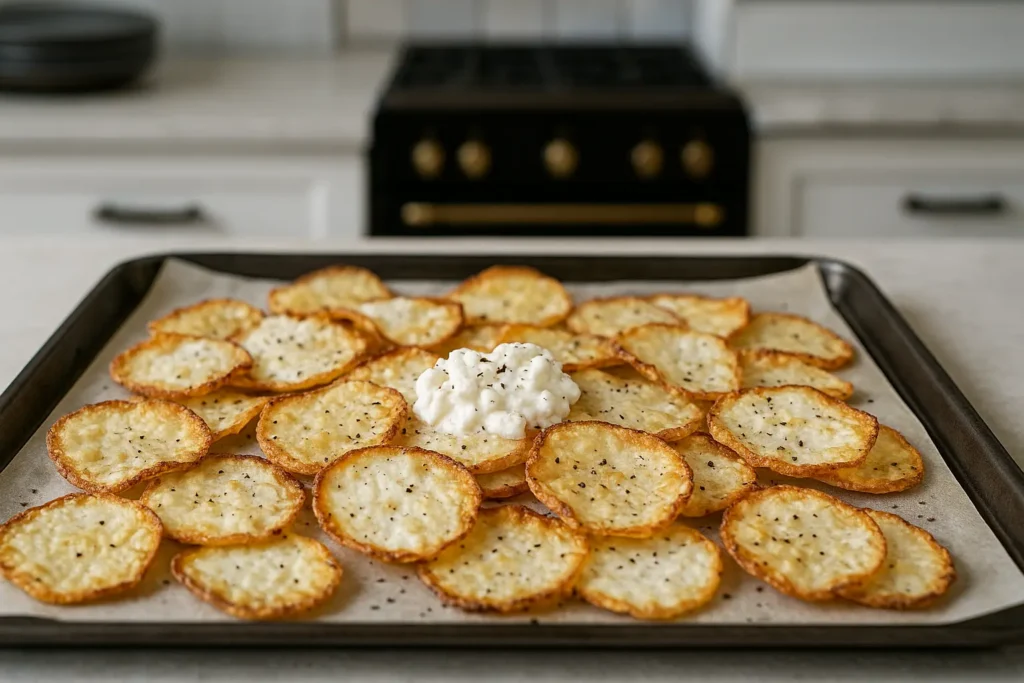
Golden crispy cottage cheese chips on parchment paper with seasoning

Crispy Cottage Cheese Chips: Easy Recipes and Tips

Cottage cheese chips are trending for good reason. This high-protein snack turns a humble dairy into a crunchy, clean-eating win—straight from your oven or air fryer. It sounds odd at first. Cheese that crunches? Turns out, cottage cheese crisps up beautifully in the oven or air fryer, giving you a high-protein, low-carb snack that’s actually fun to eat. It’s clean, quick, and perfect for anyone trying to eat healthier without sacrificing texture or flavor. Let’s break down how to make these chips, what makes them so good for you, and how to turn them into a go-to snack you actually crave. Why Cottage Cheese Is a Nutritional Powerhouse Packed With Protein and Easy to Digest Cottage cheese is made by curdling milk and draining off the whey. What’s left behind is a creamy, slightly tangy curd that’s low in sugar and high in casein protein—a slow-digesting protein that keeps you full longer.Just ½ cup has around 13–14 grams of protein, depending on the brand. And for people trying to cut back on carbs or balance blood sugar, that combo of high protein and low sugar is gold. It’s also why I often pair cottage cheese with meals that offer a similar macro balance—like this Avocado & Quinoa Salad Recipe. It’s fresh, fiber-rich, and keeps you satisfied without the crash. A Great Source of Key Nutrients It also gives you a decent dose of calcium, phosphorus, B12, and selenium—all nutrients that play a role in bone health, immune function, and energy. Cottage cheese isn’t just high in protein — it’s made up of nearly 80% casein, a slow-digesting protein that delivers a steady stream of amino acids while you rest. One clinical study found that consuming casein before sleep can significantly increase overnight muscle protein synthesis and improve overall protein balance during recovery. That means a few cottage cheese chips before bed might do more than satisfy a craving — they could support muscle repair and help maintain lean mass overnight. What Are Cottage Cheese Chips? They’re exactly what they sound like—baked or air-fried mounds of cottage cheese that turn golden and crisp. The result is a chip-like snack that’s a little cheesy, a little crunchy, and endlessly versatile. You can eat them plain or season them any way you like—think garlic powder, chili flakes, nutritional yeast, or everything bagel seasoning. They take less than 30 minutes to make and keep well in the fridge or a lunchbox. And they’re a cleaner swap for processed cheese crackers. Best Type of Cottage Cheese to Use Not all cottage cheese behaves the same in the oven. If you’ve tried these and they came out soggy or chewy, the issue is probably with the curd. Full-Fat vs. Low-Fat Go for full-fat cottage cheese. It melts and crisps better than fat-free versions, which tend to leak water during baking. Higher fat also gives you that richer, creamier taste and helps with browning. Small Curd vs. Large Curd Small curd holds together better and results in more even chips. If your only option is large curd, give it a quick pulse in a blender or food processor. This helps the cheese spread and crisp more uniformly without crumbling. To learn more about how curd size affects texture and baking, check out this U.S. Dairy guide. How to Make Cottage Cheese Chips (2 Methods) Both oven and air fryer methods can turn cottage cheese into crunchy, golden chips with just a few ingredients. The photo below shows a side-by-side comparison to help you decide which texture you might prefer. Oven-Baked Version (Best for Batches) Ingredients: Instructions: Pro Tip: Let them cool for a few minutes before lifting—this helps them crisp more as they sit. Air Fryer Method (Quick and Crispy) Same ingredients, but this time: The texture is slightly crunchier in the air fryer, but both methods work great. Flavor Ideas to Try (Make It Your Own) Cottage cheese chips may start simple, but seasoning changes everything. The photo below shows how different flavors can give each batch its own character—visually and in taste. Plain is fine, but flavor is where these really shine. Here are a few seasoning combos to try: I usually divide the tray into four quadrants and try a different flavor on each—makes it fun to snack and figure out which one you’ll crave later. How They Compare to Store-Bought Chips Chips made from cottage cheese stand out for more than just novelty—they offer a smarter alternative to what’s typically found in snack aisles. Below is a breakdown of how they measure up on nutrition, ingredients, and satisfaction. Less Salt, Less Oil, More Protein Typical potato chips are deep-fried and packed with refined oils, additives, and sodium. A single ounce of regular chips often delivers over 150 calories with minimal protein and little satiety. Cottage cheese chips? Just dairy and seasoning. No weird preservatives. No grease. And almost triple the protein per serving—about 12–15 grams per small batch compared to 2 grams in a standard serving of potato chips. Fewer Ingredients, More Satisfaction Sometimes simplicity wins. You’re not eating to fill time—you’re eating to fuel. That’s the shift cottage cheese chips help support. Since they’re made from a single whole food (plus optional spices), you skip the artificial flavors, emulsifiers, and stabilizers found in most commercial snacks. They also offer slow-digesting casein protein, which contributes to a longer-lasting feeling of fullness—without the post-snack crash. Are They Good for Weight Management? Yep. And not just because they’re low-carb. High-protein snacks help you feel full longer and reduce random cravings—especially when you’re on the go. I’ve noticed something simple: when I grab a snack with more protein, like cottage cheese, I’m not digging through the pantry an hour later. And that lines up with research too. A detailed review in this study shows that snacks rich in protein — especially ones made from whole foods — can improve satiety and help keep overeating in check. Cottage cheese chips hit the mark—especially when you’re fighting

Crispy Cottage Cheese Chips: Easy Recipes and Tips Read More »

Baby sitting in high chair exploring first solid foods with spoon and plate

Stage 1 Foods for Infants: Organic and Easy Recipes

Starting solids can feel like a milestone and a mystery. That’s why getting clear on what stage 1 baby foods are — and how to approach them — is so helpful. You’ve just gotten into the rhythm of feeding and sleeping, and now suddenly — you’re steam-blending squash and second-guessing if peaches are too acidic. I felt that too. So let’s break this down in a way that’s useful, calming, and parent-tested. When Should Babies Start Stage 1 Foods? Most babies are ready for Stage 1 foods somewhere between 4 to 6 months. But this milestone isn’t just about age — it’s about signs of readiness. Signs Your Baby Is Ready Some babies show interest early. Some don’t until 6 months or even a little later. It’s normal. Still, always check with your pediatrician before starting solids. The American Academy of Pediatrics (AAP) recommends exclusive breastfeeding (or formula) until 6 months in most cases. Starting solids too early may increase the chance of choking or allergies, especially for babies not developmentally ready. What Exactly Are Stage 1 Baby Foods? When starting with stage 1 baby foods, focus on options that are smooth, easy to digest, and one-ingredient only. Think single-ingredient foods with a soft, smooth texture. This stage is about introducing one food at a time so your baby can learn new flavors — and you can easily spot any allergic reaction. They should be: Texture-wise, it’s often compared to thin applesauce. You can thin purees further with breast milk, formula, or a bit of water depending on what your baby needs. Why Organic Matters for Stage 1 Foods There’s no doubt about it — baby food is personal. And when it comes to picking between organic and non-organic, many parents ask, “Is it really worth it?” Here’s what we know: Babies eat more food per pound of body weight than adults. That means even tiny amounts of chemicals or contaminants can have a larger effect on their small systems. Multiple studies have found pesticide residues in conventional baby foods — including items labeled “natural.” In contrast, organic foods are grown without synthetic pesticides, herbicides, or genetically modified organisms (GMOs). They’re also processed without artificial preservatives or colorings. A small clinical trial published in Environmental Health Perspectives found that participants who switched to an organic diet had significantly reduced levels of pesticide metabolites in their urine, even after just a few days. For a baby whose brain and organs are still developing, that kind of reduction matters. Recent research backs this up. A 2024 study published in World Journal of Pediatrics found that infants fed organic formula had lower exposure to antibiotic-resistant bacteria compared to those using conventional formulas — likely because organic animal products are raised without routine antibiotics. Another systematic review highlighted that organic foods overall — including baby foods — consistently show lower levels of pesticide residues. That makes a real difference when you’re feeding a body that’s still growing and developing. What Does the USDA Organic Label Actually Mean? The term “organic” isn’t just marketing fluff. When you see a USDA Organic seal, here’s what it guarantees: The USDA requires organic baby foods to be produced without GMOs, artificial preservatives, or synthetic pesticides. Products labeled “100% organic” must meet strict federal standards. If you’re new to the world of organic baby food and want a full breakdown of what’s safe, what to look for, and how to get started, check out our guide: Organic Baby Food 101 – What Every Parent Should Know 5 Organic Stage 1 Baby Food Recipes (Quick & Safe) These are gentle, nutrient-rich, and beginner-safe. You don’t need fancy gear or hours of prep. Most take less than 15 minutes to make. 🥣 Butternut Squash Purée This one’s a favorite — rich in vitamin A, naturally sweet, and creamy. 🍐 Pear + Quinoa Purée Great for digestion and packed with fiber. Note: Quinoa is safe for babies after 6 months when cooked soft and offered in small amounts. Always introduce one new ingredient at a time. 🎃 Pumpkin Baby Purée Naturally sweet and high in beta-carotene. 🟢 Green Pea Purée A great source of plant-based protein and iron. 🍑 Peach Purée Perfect for summer babies. If you’re looking to try more gentle blends like this, I’ve shared several other go-to options here — ones that worked great for us during those early months: More Homemade Recipes for 6–9 Months Tools That Make Homemade Baby Food Easier You don’t need a fancy baby food maker. Here’s what worked for me: My Batch-Cooking Flow Batch-prepping a few stage 1 baby foods each week saves time and keeps your freezer stocked with safe, simple meals. For a full breakdown of the tools, timing, and freezing method I use, you can scroll to the homemade prep section inside this guide on feeding babies solids. It’s packed with realistic tips that won’t overwhelm you. What to Avoid in Stage 1 Feeding Even healthy foods can be risky if introduced too early. Here’s what to skip: Also avoid: Questions Parents Ask About Stage 1 Foods Is Organic a Must for Stage 1 Baby Foods? No. But if you’re picking and choosing, start with fruits and vegetables that tend to have higher pesticide residue. The EFSA (European Food Safety Authority) has flagged apples, grapes, and strawberries as some of the most pesticide-contaminated produce over the years. While recent reports show progress — with a noticeable dip in pesticide residues — these fruits still sit high on the watchlist. If you’re a parent shopping for a baby just starting solids, it’s smart to stay cautious and consider buying these organic when you can. What if my baby rejects the puree? Totally normal. It can take 8–10 tries for babies to accept a new taste. Don’t give up — just try again later. Can I mix foods this early? Once you’ve tested single foods with no reaction, yes. You can mix them slowly. For example, mix peas and pears once

Stage 1 Foods for Infants: Organic and Easy Recipes Read More »

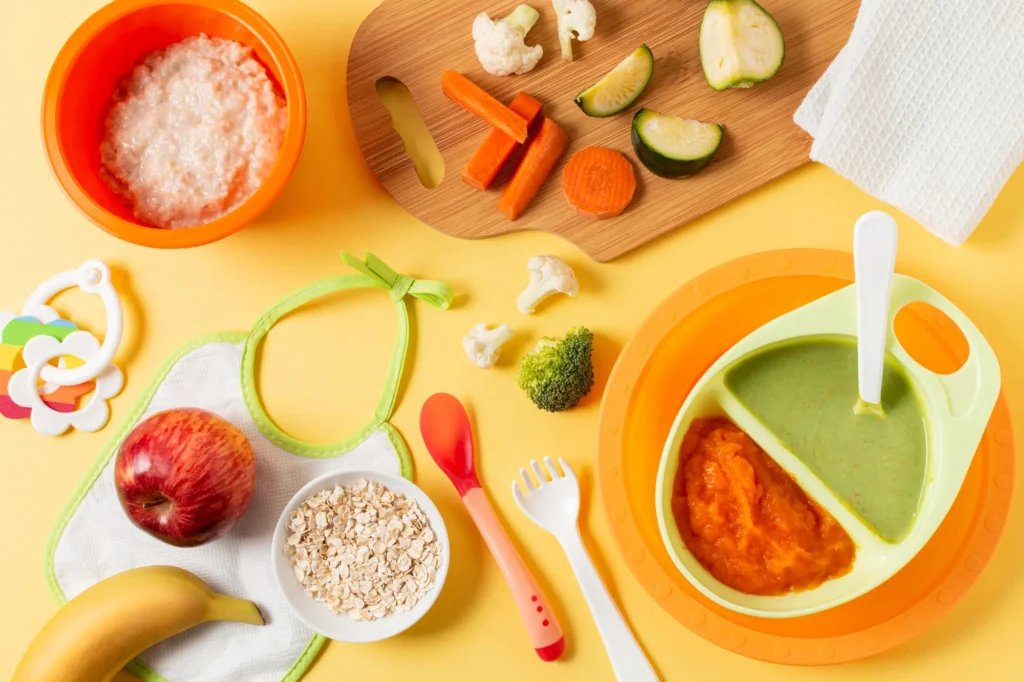
Homemade baby food in bowls with fresh fruits, vegetables, oats, and baby utensils on yellow background

Homemade Baby Food: Benefits, Recipes, & Store-Bought Comparison

Why Homemade Baby Food Is Worth Considering There’s something calming about homemade baby food. You know exactly what’s in it. No scanning fine print. No wondering what “natural flavor” really means. You just steam, mash, or blend it yourself — and that’s that. As a result, more parents are going back to basics with homemade baby food. It’s not about chasing perfection — instead, it’s about trust. You pick the ingredients. Skip the weird additives entirely. And what you get? A little more peace of mind. A 2021 investigation by Consumer Reports found concerning levels of heavy metals like arsenic and lead in some major commercial baby foods — even the organic ones. It’s not meant to scare anyone, but it does make you stop and think. And for many parents, that’s the moment they decide to try making a few meals at home. Let’s be real: most of us don’t start making baby food because we suddenly want to be gourmet chefs. We start because something sparks a little doubt. It’s not one big reason. It’s often a bunch of little nudges — and once you try homemade once or twice, it doesn’t feel as intimidating. Key Benefits of Homemade Baby Food 1. No Strange Additives The list of ingredients? It’s what you put in. That’s it.No fillers, no stabilizers, and no “why is there sugar in a spinach puree?” moments. It’s clean, and babies seem to know the difference. You’ll see it on their face. 2. Full Ingredient Control If your baby has allergies, sensitivities, or you’re just trying to introduce one food at a time, homemade gives you that control. Even things like texture and consistency can be adjusted based on your baby’s needs or developmental stage. Store-bought can’t do that. 3. It Actually Tastes Better Let’s be honest — have you ever tried a jar of store-bought baby food? If so, you’ll know it’s… bland. Homemade has flavor. It smells like real food because it *is* real food. And when babies enjoy what they’re eating, they eat more of it. 4. It’s Cheaper Than You Think This was the kicker for me. One organic pouch of sweet potato puree costs around $2. A single organic sweet potato from the grocery store? Maybe 80 cents — and you’ll get 5+ portions out of it. Make a small batch, freeze in cubes, and you’ve got homemade meals for days. No fancy gear needed — just a blender and some containers. Explore these Tips to Make Baby Food Prep Easier Is Homemade Baby Food Actually Cheaper? Let’s Break It Down Let’s run the numbers quickly: Even when you factor in storage containers or silicone trays, the cost per meal drops significantly with homemade. It’s not just healthier — it’s budget-friendly. Homemade Baby Food vs Store-Bought: Nutrition Breakdown What Store-Bought Gets Right Let’s be clear — not all store-bought baby food is a problem. Surprisingly, some brands actually get a lot right. Companies like Once Upon a Farm and Yumi focus on organic ingredients, skip artificial preservatives, and go through rigorous safety checks. When you’re busy, having a trustworthy pouch on hand can be a real lifesaver — and that’s nothing to feel bad about. Still, not all options are created equal. A comprehensive investigation by Healthy Babies Bright Futures found heavy metals in 95% of tested store-bought baby foods — including popular name brands. That’s why checking labels and knowing which brands test for contaminants really matters. Why Homemade Still Wins in Most Cases Let’s be real — when you make it fresh, it just hits different. A steamed carrot, a soft pear, mashed up minutes before feeding? That holds on to stuff like vitamin C way better than anything squeezed into a pouch last fall. This study breaks down how vitamin C fades in shelf-stored baby blends. And commercial baby food? It’s cooked until nothing risky survives. Which is smart, sure. But that same heat takes a toll. Vitamins like B1, B6, and folate — gone, or nearly. You can’t see it, but your baby’s body knows. This paper explains how B-vitamins don’t hold up well in factory heat. Now… the packaging. Let’s talk about that. Some jars or containers still carry BPA, or similar stuff. Even “BPA-free” doesn’t always mean safer — it just means different. Homemade food? You skip the whole issue. No guessing, no wondering. Here’s a real study on how BPA leaches into baby food. This isn’t just about nutrition charts. It’s about control. Knowing exactly what’s in that spoon — and what’s not. Is Homemade Baby Food Safe? What I Learned the Hard Way One of the first things I googled when I started this journey?“Can homemade baby food go bad?” I was nervous. Like — is it okay if I keep it in the fridge longer than a day?Do I need to sterilize everything like I’m prepping for open-heart surgery?What if I mess something up? Turns out, it’s not that deep. You don’t need a special baby food lab in your kitchen. Just clean hands, clean tools, and a little common sense. Here’s what I learned by trial (and near-error): Not sure how long frozen baby food lasts, or how to thaw it safely? This frozen baby food guide breaks it all down — from storage to serving. I’m not saying I didn’t worry at first. I did. But once you get into a rhythm, it’s just part of the flow — like folding onesies or prepping snacks. In the end, you’re already being intentional about what your baby eats. This? Just another step in that same direction. 3 Easy Homemade Baby Food Recipes to Get You Started Want to keep it simple? Here are three beginner-friendly blends that take minutes — not hours — and taste like real food, not jar paste. 1. Apple Purée Peel two apples. Chop ’em up. Steam for 8 to 10 minutes until fork-tender. Toss in a blender. Add a splash of breast milk, formula,

Homemade Baby Food: Benefits, Recipes, & Store-Bought Comparison Read More »

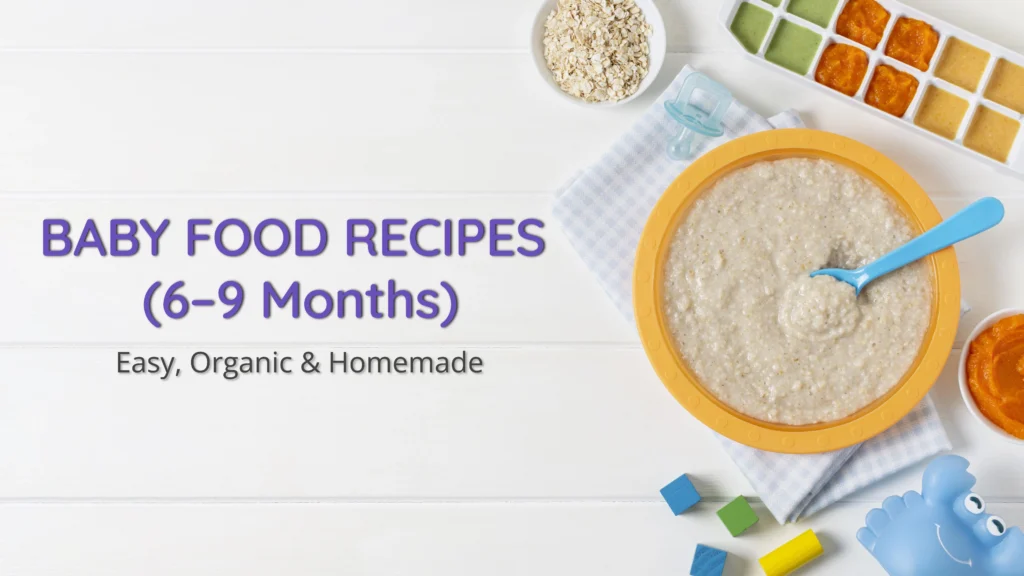
Organic baby food oatmeal with purees and feeding toys for 6 to 9-month-old infants

Baby Food Recipes for 6–9 Months: Simple, Organic, and Homemade

Starting solids hits different. One minute it’s just bottles or nursing, and the next—bam—you’re in the puree aisle wondering what’s safe, what’s healthy, and what your baby might actually eat. It’s exciting, sure. But also kind of overwhelming. That’s exactly why I pulled these baby food recipes together for the 6–9 month stage. They’re not over-complicated. No weird blends. Just simple, organic, homemade combos that even the fussy ones tend to go for. When and How to Introduce Baby Food (6–9 Months) How do you even know your baby’s ready? Usually, it’s around 6 months—but it’s more about signs than age: If you’re seeing these clues, you’re good to go—but always double-check with your pediatrician. Start small, offering one new food at a time every few days. If your baby reacts, you’ll know exactly what caused it. Why Choose Homemade Organic Baby Food? Sure, jars from the store are convenient. But homemade organic purées give you something priceless—peace of mind. When I started making baby food at home, it was about cutting out the stuff I couldn’t pronounce. No hidden sugars, no weird chemicals. Plus, I noticed something interesting: it often costs less, especially if you buy seasonal produce or stock up on frozen organic veggies. Here’s something that made me pause: researchers tested hundreds of baby food jars from grocery shelves, and a surprising number of them—more than a quarter—had traces of pesticides. And not just one kind. Some had two, three, even more all in one little serving. Reading that kind of stopped me in my tracks. I wasn’t trying to be extreme, but if I could skip those chemicals just by grabbing the organic version of something my baby eats every day? That felt like the easier choice. Especially with apples, spinach, or grapes—the usual suspects on the Dirty Dozen list. The difference isn’t dramatic on paper, but when you’re feeding someone brand new to the world, it just hits different. Some foods like apples, strawberries, and spinach often have higher pesticides (check the EWG Dirty Dozen list), so buying organic there just makes sense. [External link: Dirty Dozen list at EWG.org] Essentials for Making Baby Food at Home Good news: you don’t need fancy equipment. Here’s what works perfectly: Keep things clean, wash your hands, and relax—you’ve got this. Simple Organic Purees: First Foods (Stage 1 Recipes) These recipes are foolproof starters. Your baby will be tasting new flavors in no time. Organic Apple Puree Organic apples are gentle and sweet, perfect for sensitive little bellies. Freeze extras in ice cube trays. Easy! Sweet Potato Puree Babies love sweet potatoes. They’re creamy, sweet, and filled with vitamin A. Freeze leftovers—trust me, you’ll appreciate having it ready to go. Avocado and Banana Puree No-cook recipe? Yes, please. Ideal for those “didn’t get enough sleep” days. Serve fresh or freeze portions. Moving to Combinations: Stage 2 Organic Recipes (7–9 Months) When your baby gets a bit older, food recipes can be made more interesting by combining flavors. Organic Carrot and Apple Blend Sweet carrots plus apples—perfect pairing for little mouths. Freeze extras to save your future self some trouble. Spinach, Pea, and Pear Puree Iron and flavor in one spoonful? That’s this puree. Freezing in trays makes quick meal prep later. Butternut Squash and Quinoa Puree Quinoa adds protein—perfect as baby grows hungrier. Tips to Make Baby Food Prep Easier and Faster Making your own baby food recipes can feel overwhelming at first. Here’s how I keep it manageable: One of the reasons I stick with organic—even when batch-cooking—is because of what I read in this small dietary study. People who ate fully organic for less than a week showed a massive drop in the pesticide glyphosate in their system. Like, over 70%. That stuck with me. If swapping out a few ingredients for organic can do that in grown-ups, imagine how that could affect a baby’s little body that’s still developing. Just felt like a no-brainer, especially for the foods I’m already prepping in bulk. Common Questions Parents Ask About Homemade Baby Food These came up often for me and my friends: How long can homemade baby food last? In the fridge? Two days tops. Freezer? About three months. (Label the dates—it saves guessing.) Is organic necessary? Organic matters for foods like apples or strawberries, since they’re higher in pesticides. If budget’s tight, stick to organic for the Dirty Dozen and buy conventional Clean 15. What if my baby rejects new foods? Totally normal! My son rejected sweet potatoes—8 tries later, she loved them. Keep offering patiently; they’ll get there. Foods to Avoid for Babies Under 9 Months Here’s what’s best to skip until later: Final Thoughts on Organic Baby Food Recipes at Home Cooking baby food might feel like a chore at first, but it quickly becomes second nature. It’s less about perfection, more about choosing cleaner, better ingredients whenever possible. Each spoonful matters, and you’re doing a great job making food your baby loves. Helpful resources to keep you going:

Baby Food Recipes for 6–9 Months: Simple, Organic, and Homemade Read More »

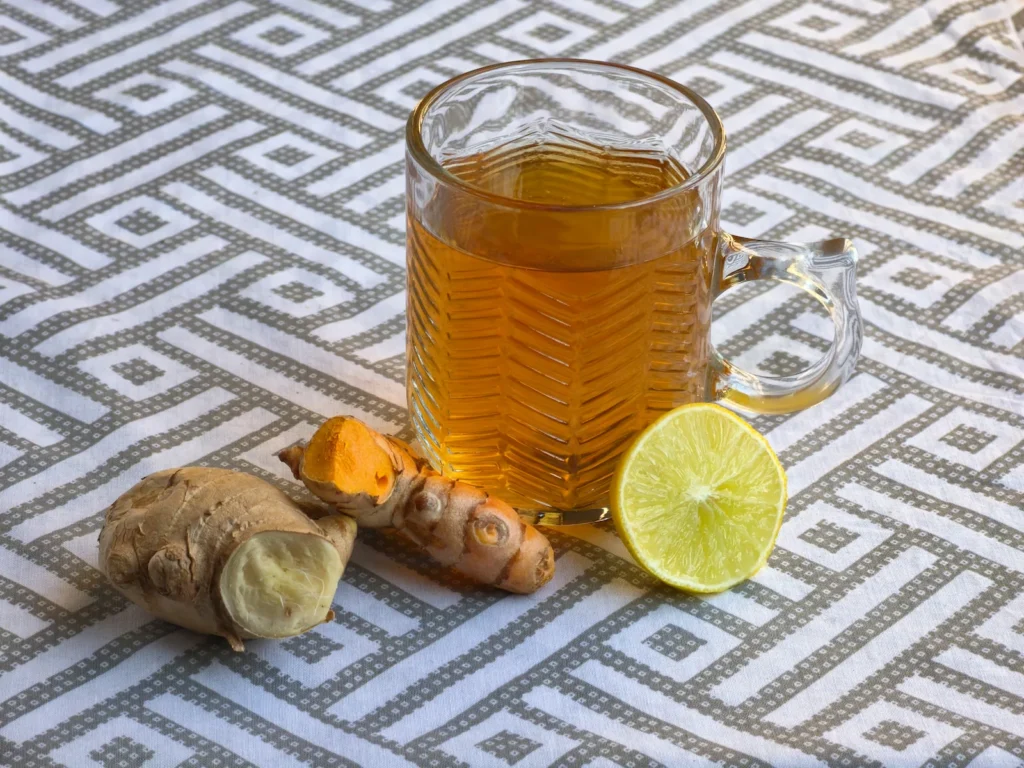
Organic turmeric ginger tea in a cup, anti-inflammatory and immune-boosting

Organic Turmeric Ginger Tea Recipe – Anti-Inflammatory & Immune-Boosting

Searching for the best soothing tea that will boost your immunity while naturally lowering inflammation? Well, look no further as this Organic Turmeric & Ginger Tea combines the antioxidant power of turmeric and ginger, well-known anti-inflammatory agents, along with health-promoting benefits. It is prepared in a short time of 15 minutes. This warm organic tea has been key for mind and body relaxation. _____________________________________________ Why Organic Turmeric Ginger Tea? Scientific studies have proven that the active ingredients curcumin found in turmeric and gingerol have anti-inflammatory properties and enhance overall health. In a study published by the Journal of Medicinal Food, curcumin found in turmeric was reported to have the ability to significantly reduce inflammation, and its immune-boosting capabilities helped promote healthy digestion. Ingredients List _____________________________________________ Step-by-Step Guide 1. Prepare Ingredients Grate the fresh ginger and, if using, slice the fresh turmeric root. Black pepper is a must since it helps increase curcumin absorption thereby enhancing health benefits. 2. Boil Water Bring 1 cup of water to a simmer in a small pan. 3. Simmer with Ingredients Boil the water. Add the grated ginger, turmeric, and black pepper to it. Reduce the heat; simmer the mixture for 10 minutes to let the flavors and nutrients properly infuse. 4. Strain and Serve Strain the prepared tea into a cup to remove the ginger and turmeric pieces. Mix in honey and a squish of lemon juice. This may add a bit of sweetness and an additional vitamin C kick if desired. 5. Enjoy Warm Drink slowly, sipping in the warmth and healing power of this tea. _____________________________________ Health Benefits of Organic Turmeric Ginger Tea Anti-Inflammatory Properties Both turmeric and ginger have been well-researched for their anti-inflammatory properties. According to Clinical Interventions in Aging, curcumin, found in turmeric, decreases inflammation markers. This means this type of tea is wonderful for those suffering from joint-related pain as well as inflammatory conditions. Health The digestive benefits of ginger are well known, helping to alleviate nausea and digestive functionality. According to a study published in Food & Function journal, the bioactive compounds in ginger enhance gut health. Thus, it is of immense value to be included in the routine. Immune Boost Turmeric and ginger boost the immune system due to their antioxidants. Curcumin and gingerol resist oxidative stress that affects the immune response systems. Supports Heart Health Curcumin has been shown in various studies to improve endothelial functions- partly by regulating blood pressure and keeping blood vessels healthy. For a nutrient-dense food that offers similar warming and healing benefits, this traditional superfood made with organic ghee, nuts, and spices is worth exploring. ____________________________________ Useful Tips Why add black pepper? Black pepper increases curcumin absorption from turmeric. Without it, the body can’t fully absorb the health benefits of turmeric. Can I store leftovers? Yes, you can refrigerate this tea in an airtight vessel for up to 2 days. Before drinking, reheat but do not boil to preserve the nutrients. What if I only have ground spices? You may also use ground turmeric and ginger. 1/2 teaspoon of each ground turmeric and ginger is enough, or add as you like. Check out our recipe section for nourishing inspirations or head over to our blog section for the newest insights into organic living! Have you tried this tea? Let me know in the comments! I’d love to know how you’re incorporating it into your wellness routine.

Organic Turmeric Ginger Tea Recipe – Anti-Inflammatory & Immune-Boosting Read More »

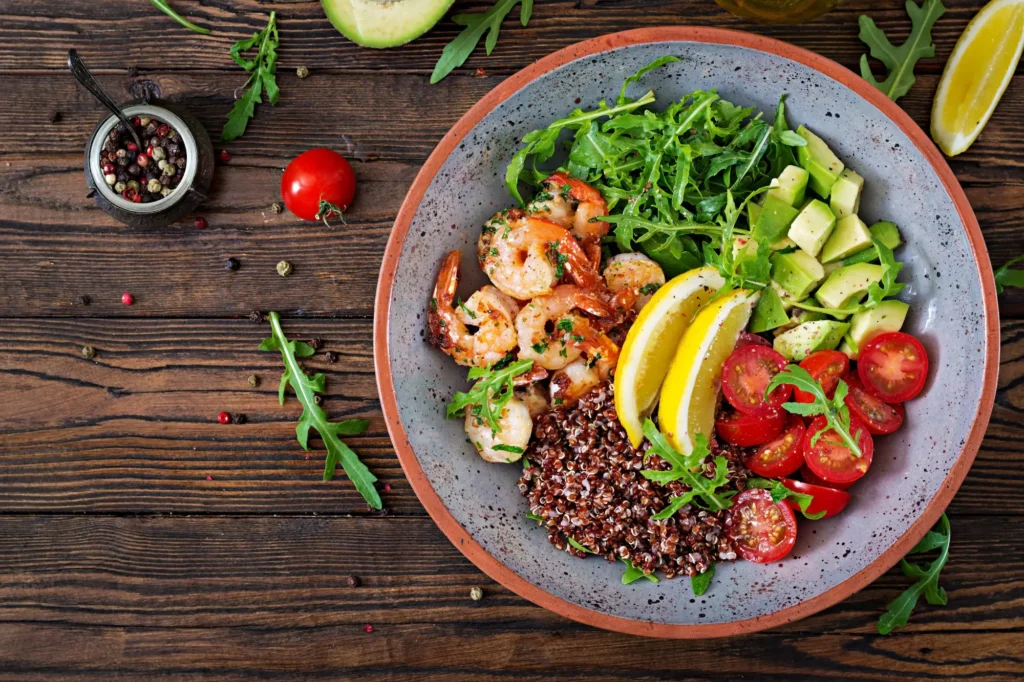
Healthy Avocado & Quinoa Salad with Fresh Veggies – Protein-Packed and Nutritious

Avocado & Quinoa Salad Recipe – Healthy, Protein-Packed & Easy

Want something bright, fresh, and bursting with nutrients? Look no further than this Organic Avocado & Quinoa Salad. For that matter, it’s just a bowl of yummy, creamy avocado, fluffy quinoa, and crispy, colorful veggies meant to taste fantastic and feel even better. Serve this as a light lunch, a hearty side, or whenever you need a plant-powered pick-me-up. Why Make This Avocado & Quinoa Salad? This salad brings together everything we love about having a good time at the table: creamy avocado, the superfood power of quinoa, and a rainbow of vegetables. Quinoa’s claim to fame? It’s a complete protein, packing all nine essential amino acids, which is a significant win for vegetarians and vegans. Avocados are like little green heart helpers, full of those healthy monounsaturated fats that keep cholesterol levels in check. Seriously, it’s a dream team in a bowl. Do you know that a study published way back in 2018 conducted by researchers from Penn State’s Department of Nutritional Sciences stated that people who eat avocados mostly have better diets? True! So let’s give our bodies some love. Here’s What You’ll Need: Now, let’s make it! Step 1: Cook Your Quinoa Rinse the quinoa at least three times under cold running water to remove any bitterness. Place the quinoa and water in a saucepan. Bring it to a boil and then reduce heat, cover, and let it cook for 10-15 minutes or until the water is fully absorbed. Lightly fluff with a fork and let cool. Step 2: Prep the Veggies While your quinoa cools a little bit, chop up those veggies and prepare. Cube that avocado, then split those cherry tomatoes in half, chop up the cucumber, red onion, and bell pepper into tiny little bite-sized pieces. Step 3: Toss Everything Together Take the quinoa, chopped veggies, and mixed greens; toss them all into a big bowl and mix them all together. Save the avocado for last so it doesn’t turn into a mushy mess after it’s been tossed. Step 4: Dress It Up Drizzle on some of that lovely, bracing lemon juice and silky olive oil. Evenly sprinkle salt and pepper over the dish, then gently toss everything to ensure it is well coated with that simple, flavorful dressing. Step 5: Add the Finishing Touches Throw in some hemp or chia seeds for an added dollop of protein and a nice crunch. Enjoy immediately or refrigerate for a cool lunch the next day. Why This Salad is a Nutritional Win: Healthy Fats Galore: Avocados provide a burst of heart-healthy monounsaturated fats, great for keeping cholesterol in line. Replacing saturated fats with monounsaturated fats lowers the bad cholesterol levels in the body says the American Heart Association. High in Fiber: Quinoa and avocado abound in fiber, so this salad is filling but fantastic for digestion and balanced blood sugar levels too. According to a study in the American Journal of Clinical Nutrition, a high-fiber diet is linked to a lower risk of cardiovascular disease and better weight management. Complete Protein: Quinoa isn’t just any grain; it’s a plant-powered protein, which is a big deal, especially if you are interested in increasing your plant-based meals. Vitamins & Antioxidants: Boost your vitamin and antioxidant intake with tomatoes and bell peppers as they help combat nasty free radicals and promote general well-being. Keeps You Full: The combination of fats, fiber, and protein in this salad creates a very filling meal that helps prevent hunger. Ensure that you don’t hit the afternoons with the snack attack. Quick Tips & Common Questions Want to prep ahead? You totally can! Just store the avocado separately until you are ready to serve, then it will remain green and fresh. Need More Protein? A serving of nuts or chickpeas can add much-needed protein to this salad and introduce a new texture. Yum! Team Player: This salad stands alone pretty well, but crusty whole-grain bread is an amazing accompaniment, too, or you could serve it alongside your favorite grilled food. Looking for more organic recipes and health tips? Explore our recipe section for wholesome ideas or visit our blog section for the latest updates on organic living!

Avocado & Quinoa Salad Recipe – Healthy, Protein-Packed & Easy Read More »

A vibrant Organic Berry Smoothie Bowl topped with fresh blueberries, raspberries, granola, coconut flakes, and pumpkin seeds, served in a white bowl on a rustic wooden table—perfect for a healthy, antioxidant-rich breakfast idea.

Organic Berry Smoothie Bowl: A Refreshing Start to Your Day

Vibrant, energizing, and downright delicious, this Organic Berry Smoothie Bowl comes to life with the irresistible idea of a thick, creamy smoothie base filled with juicy, antioxidant-rich berries, topped with crunchy granola, sprinkle of coconut flakes, and finally capped off with a pumpkin seed for added crunch. It’s a breakfast that will make you feel like you’re on that dreamy wellness vacation even if, in reality, you are stuck in your kitchen in pajamas. Berry Bliss Notes Okay, just to say: this organic berry smoothie bowl is what mornings are made of. It’s a stunning blend of flavors, colors, and nutrients expertly combined into a refreshing drink that energizes and delights. We’ve been really big on organic berries around here lately. They’re little powerhouses of goodness. I am inspired by one of those unforgettable Bali retreats, where smoothie bowls were practically an art form, the kind that makes you want to wake up early. And do not worry if Bali is not in your travel plans; you can totally bring that lush and tropical feel right to your breakfast table. Ingredients List (With a Little Kitchen Wisdom) For the Organic Berry Smoothie Base: For Toppings: How to Make This Magic Happen Step 1: Mix It All Up Toss frozen berries, a banana, almond milk, chia seeds, and honey into a blender. Blend until you get a thick, creamy-smoothie texture that’s almost too pretty to eat. (Almost). Pro Tip: If your blender’s struggling, add a splash more almond milk to get things moving. Step 2: Inspect for Consistency We crave a thick, spoonable delight. Any thinner, well, that’s a smoothie, not a bowl. Make adjustments to achieve the perfect consistency! Step 3: Let’s Get This Bowl Together Pour that rich smoothie base into a bowl. This is where the magic happens. Step 4: Top It Off Fresh berries; now, this is a generous handful of granola, coconut flakes, and those nutty pumpkin seeds. Make it pretty because we really do eat with our eyes first, right? Step 5: Dig In and Enjoy Grab a spoon, and savor every bite. Seriously, you deserve this. Why Your Body Will Love This FAQs & Quick Tips Can this be prepared in advance? You bet! Just prepare the smoothie base, freeze it in a bowl, and add toppings fresh when you’re ready to serve. Easy. Want to switch it up? Need a nut-free option? Replace almond milk. Both coconut milk and oat milk work here. Interested in discovering more organic recipes and health tips? Check out our recipe section for nourishing inspirations or head over to our blog section for the newest insights into organic living!

Organic Berry Smoothie Bowl: A Refreshing Start to Your Day Read More »

Refreshing organic drinks, including lemon mint cooler and berry hibiscus iced tea, perfect for hydration and a healthy lifestyle

Organic Drinks, Delicious & Refreshing: Power up Your Hydration

When the temperature rises, nothing beats a glass of a cold refreshing drink to quench your thirst while at the same time fulfilling your commitment to a healthy, organic lifestyle. Unlike popular sugar-laden drinks that give absolutely nothing but a dose of empty calories, organic refreshing drinks present a healthy means of hydrating the body and fueling it with essential nutrients. These drinks can be easily prepared at home using natural ingredients full of flavors that will surely delight your taste buds. In this article, we examine a variety of excellent organic drinks that showcase delightful flavors and beneficial traits, offering multiple health advantages. From detoxifying cucumber coolers and immune-boosting tonics, be it for any reason and occasion, there is a perfect drink waiting for you. Whether you want to cool down after a workout or enjoy a refreshing midday pick-me-up, these recipes have you covered. 1. Organic Lemon and Mint Cooler A classic combination, the organic lemon and mint cooler is a revitalizing drink perfect for hot summer days. Made with fresh organic lemons, a handful of organic mint leaves, and a touch of organic honey, this drink is a natural source of vitamin C and antioxidants. The zesty lemon provides a refreshing tartness, while mint adds a cooling effect, making it an ideal drink to beat the heat. How to Make: Health Benefits: Pro Tip: Add a pinch of Himalayan pink salt for an electrolyte boost. 2. Organic Watermelon and Basil Juice Watermelon is naturally hydrating, and when combined with the aromatic notes of organic basil, it creates a organic refreshing drink that’s hard to resist. This organic watermelon and basil juice is loaded with lycopene, an antioxidant that promotes heart health. On top of that, there are no added sugars as watermelons have their own natural satisfying sweetness. How to Make It: Health Benefits: Fun Twist: Freeze as popsicles for a kid-friendly treat! 3. Organic Ginger and Turmeric Tonic For a more invigorating option, try an organic ginger and turmeric tonic. Both ginger and turmeric are renowned for their anti-inflammatory properties, making this drink not only refreshing but also beneficial for your immune system. How to Make It: Health Benefits: Pro Tip: Add a dash of black pepper to enhance turmeric’s absorption in the body. 4. Organic Cucumber and Aloe Vera Drink Cucumbers are incredibly hydrating, and when paired with organic aloe vera, you get a drink that’s soothing for the stomach and great for the skin. This organic cucumber and aloe vera cooler is a gentle detoxifier, helping to flush out toxins while keeping you refreshed. How to Make It: Health Benefits: Refreshing Idea: Garnish with a slice of lemon and a sprig of mint for a sophisticated touch. 5. Organic Berry Hibiscus Iced Tea For those who prefer a fruity, floral flavor, organic berry hibiscus iced tea is a must-try. Hibiscus is rich in antioxidants, particularly anthocyanins, which give the tea its vibrant red color. Paired with organic mixed berries, this drink offers a deliciously tart and sweet flavor profile that’s both refreshing and beneficial for cardiovascular health. How to Make It: Health Benefits: Pro Tip: For a sparkling version, mix with carbonated water before serving. Why Choose Organic Drinks? Organic drinks are a craze, and for good reason too. The use of organic ingredients is a step towards better health and a sustainable lifestyle; One that is free from unsafe/dangerous chemicals, preservatives, and artificial additives that are almost always found in your typical beverage. These organic drinks are the best alternative to sugar-loaded sodas because they are the ultimate summer thirst quenchers and gradually become your everyday favorites. Conclusion Not only do these organic refreshing drinks have endless health benefits, but they have the perfect combination of taste and nutrition. From the most hydrating summer coolers to the best nutrient-filled tonics, these recipes offer the best options and are the key to beating the heat while promoting vital healthy habits. Drink these to live a refreshing, energizing, and healthier lifestyle. Looking for more organic recipes and health tips? Explore our recipe section for wholesome ideas or visit our blog section for the latest updates on organic living!

Organic Drinks, Delicious & Refreshing: Power up Your Hydration Read More »

Scroll to Top