Recipes

Overhead view of a thick organic mixed berry smoothie bowl in a wooden bowl, carefully topped with distinct rows of fresh raspberries, blackberries, blueberries, and raw chia seeds, resting on a wooden cutting board.

Organic Berry Smoothie Bowl: A Refreshing Start to Your Day

People love starting their mornings with a blended drink. Most generic recipes available online rely heavily on sugary juices and sweet syrups. They rarely provide real nutritional value. If you want to improve your health, you need to rely on whole ingredients and proven science. A simple blend of organic fruit and raw seeds offers a massive dose of plant-based protein, dietary fiber, and brain-protecting compounds. This guide breaks down the exact reasons why specific ingredients matter. It explains the differences between organic and conventional farming. It explores how certain plant compounds keep your heart strong. Finally, it provides a very easy recipe to help you make a highly nutritious organic berry smoothie in your own kitchen. Nutritional Advantages of an Organic Berry Smoothie Why Organic Cultivation Matters Walking through a grocery store presents a clear choice between organic and conventional produce. Many people wonder if paying slightly more for organic fruit makes a real difference. Strong scientific evidence shows that it does.    An international team of experts at Newcastle University analyzed hundreds of crop studies. They found that organic crops contain up to 69 percent more of certain antioxidants compared to conventionally grown crops. They also discovered that toxic heavy metals, like cadmium, are almost 50 percent lower in organic produce.    Why do organic plants produce higher levels of these beneficial compounds? It comes down to how farmers treat the soil. Conventional farming uses synthetic fertilizers that dump high amounts of nitrogen into the ground. This makes the plants grow very fast, but it dilutes their natural nutrients. Organic farming skips these harsh chemicals. The organic plants grow at a more natural pace. To defend themselves against the environment, they create higher amounts of antioxidants. Choosing organic berries gives you a cleaner option with significantly lower levels of synthetic pesticides. Because conventional berries have thin skins that easily absorb chemicals, they consistently rank among the highest on the annual Dirty Dozen pesticide residue list. Making the organic upgrade is a smart, science-backed choice to minimize your daily chemical exposure. Protecting Brain Function and Heart Health As people age, preserving memory becomes a top priority. Eating the right foods can actively protect the human brain. Researchers reviewing scientific evidence demonstrating how berry consumption benefits cognitive function outline exactly how this works.    Berries are full of powerful compounds that help protect brain cells from damage. Normal daily life creates harmful molecules called free radicals. The specific phytochemicals in berries act as antioxidants that neutralize these free radicals, thereby reducing oxidative stress. More importantly, berries actually change the way brain cells communicate with each other. This improved signaling stops inflammation from damaging delicate neural pathways. Adding a handful of blueberries or blackberries to your daily routine can help preserve your memory and keep your motor skills sharp.    Heart health also relies heavily on the quality of your daily diet. Berries get their rich red and purple colors from special plant compounds called anthocyanins. These compounds are famous for protecting the cardiovascular system.    Large medical studies show that high anthocyanin intake correlates with a reduced risk of heart disease. Furthermore, regular berry consumption helps prevent cholesterol from oxidizing and adhering to artery walls. By reducing overall inflammation, anthocyanins keep your circulation strong.    The Hidden Power of Chia Seeds in Smoothies High-Fiber Benefits for Digestion A great organic berry smoothie needs more than just fruit. It needs structural ingredients that provide lasting energy and keep you full. Chia seeds are one of the most powerful foods you can add to your blender.    The Harvard School of Public Health’s nutritional breakdown of chia seeds points out that they are packed with calcium, protein, and zinc. They are an incredible source of alpha-linolenic acid. This is a special type of plant-based omega-3 fatty acid. Incorporating more essential omega-3 rich foods into your diet is crucial because these healthy fats are famous for reducing inflammation and supporting brain health. Chia seeds also provide massive amounts of dietary fiber. A single ounce contains nearly 10 grams of fiber. Clinical research on how dietary fiber intake supports cardiovascular and gastrointestinal health proves that high-fiber diets help lower blood pressure and improve digestion. Unlike flaxseeds, which you must grind up for your body to digest, chia seeds are fully absorbable whole. You can simply toss them straight into your blender.    Nutrient Breakdown of Chia Seeds To help you understand the exact nutritional math, here is a breakdown of a standard chia seed serving.    Nutrient Amount per 1-Ounce (28.35 grams) Serving Health Benefit Calories 146.8 kcal Sustained energy release. Protein 4.8 grams Supports muscle repair and cellular growth. Dietary Fiber 10.3 grams Improves digestion. Omega-3 (ALA) ~5.6 grams Reduces inflammation and protects the brain. Sugar 0 grams Prevents blood sugar crashes. Note: Data sourced and calculated directly from the USDA FoodData Central database.  Quick Tips for Perfect Preparation Many people ask if they can prepare this meal in advance. You can easily blend the base the night before and keep it in a sealed jar in the refrigerator. If you need a nut-free option, simply replace the almond milk with oat milk or coconut milk. Both work perfectly and keep the texture creamy. Building a healthy lifestyle does not require extreme diets or expensive supplements. It requires a commitment to clean eating and an understanding of basic nutrition. By blending organic berries and nutrient-dense seeds, you give your body the exact tools it needs to repair cells, protect your heart, and fuel your day.    Are you looking for more ways to improve your daily meals? Explore our healthy recipe collection for great morning inspiration. You can also browse our health and wellness blog to learn more about keeping your body strong.

Organic Berry Smoothie Bowl: A Refreshing Start to Your Day Read More »

Three glass mason jars on a dark surface containing a yellow organic lemon and mint cooler, a green cucumber aloe vera drink, and a red watermelon basil juice.

Organic Drinks, Delicious & Refreshing: Power up Your Hydration

When the summer heat sets in, you need more than just plain tap water to stay properly hydrated. You need organic drinks that replace lost minerals and protect your cells from the inside out. Commercial sports drinks line the grocery store shelves with promises of endless energy. But, a closer look at their labels shows artificial dyes, lots of refined sugar, and fake preservatives. These processed items give you empty calories. They work against your commitment to a clean, natural lifestyle. You can fuel your body with organic drinks made right in your own kitchen. Fresh organic ingredients provide a massive dose of plant-based compounds. These compounds actively fight disease and repair cell damage. By blending simple fruits, herbs, and roots, you make functional organic drinks that hydrate your body. This supports your long-term health goals. This guide explores five science-backed organic drinks. You will learn exactly how the chemical compounds in these ingredients interact with your biology. They help to lower blood pressure, soothe digestion, and clear out inflammation. 1. Organic Lemon and Mint Cooler A classic glass of lemon and mint water offers the perfect solution for a hot afternoon. This simple combination is a great organic drink for fast hydration. It helps you avoid the sugar crash linked to commercial lemonades. For instance, lemons contain high amounts of citric acid, vitamin C, and powerful plant compounds called polyphenols. The main polyphenol found in lemon juice is eriocitrin. In fact, eriocitrin acts as a water-soluble antioxidant. It hunts down harmful molecules in your bloodstream. Drinking the juice of just one squeezed lemon provides 21 percent of your daily vitamin C recommended value. Vitamin C helps your immune system function properly. It also allows your body to absorb iron from plant-based foods. Mint leaves add a cooling sensation and provide their own unique health benefits. The natural oils in mint help relax the muscles in your digestive tract. This relaxation eases stomach discomfort and reduces bloating after a heavy meal. How to Make It: Health Benefits: You can drink this cooler alongside our filling high-protein pasta recipes to create a complete, refreshing dinner that supports muscle recovery. 2. Organic Watermelon and Basil Juice Watermelon serves as the ultimate summer thirst quencher. A ripe watermelon consists of 92 percent water. This makes it a powerful tool for fighting dehydration. The deep red color of the fruit signals the presence of incredible health benefits hidden inside the flesh. Specifically, watermelon contains massive amounts of an antioxidant called lycopene. Most people associate lycopene with tomatoes. The data shows that fresh watermelon actually contains significantly more lycopene than raw tomatoes. A standard 100-gram serving of red-fleshed watermelon provides 4.81 milligrams of lycopene, while the same amount of tomato provides 3.03 milligrams. Lycopene actively protects your heart and blood vessels by preventing damage to your arteries. Watermelon also provides a high dose of a special amino acid called L-citrulline. Your body converts L-citrulline into nitric oxide. Nitric oxide acts as a signaling molecule. It tells your blood vessels to relax and open wide. This relaxing effect lowers your blood pressure and improves blood flow to your muscles. Because of this, athletes often drink watermelon juice to relieve muscle soreness after intense training sessions. Adding fresh basil to the watermelon juice introduces a savory, aromatic element. Basil contains essential oils that help lower inflammation in the gut. How to Make It: Health Benefits: If you want to protect your heart and liver, you should explore the exact dietary strategies outlined in our guide to proven foods to reverse fatty liver. 3. Organic Ginger and Turmeric Tonic Chronic inflammation causes long-term damage to your joints, organs, and blood vessels. When your immune system stays active for too long, it begins attacking healthy tissue. Two powerful roots from the ginger plant family offer deep relief from this internal swelling: ginger and turmeric. Turmeric contains an active compound called curcumin. Curcumin gives turmeric its bright yellow color and acts as a shield for your joints. Meanwhile, ginger contains its own active chemicals known as gingerols and shogaols. When you combine these two roots, the compounds work together. They stop your body from producing harmful reactive oxygen species. Another clinical trial gave patients with severe knee pain a daily supplement containing turmeric, ginger, and black pepper. The patients experienced a massive decrease in joint pain. The results matched the relief provided by standard pain medications. How to Make It: Health Benefits: 4. Organic Cucumber and Aloe Vera Drink Skin health starts from the inside. Applying expensive lotions to the surface of your skin only does half the job. You must supply your skin cells with the water and nutrients they need to stay plump and resilient. First, cucumbers provide an excellent base for a skin-healing organic drink. A cucumber contains nearly 97 percent water. The vegetable also delivers important minerals like potassium, magnesium, and phosphorus. Aloe vera brings serious healing power to the recipe. Often called the plant of immortality, aloe vera contains a thick inner gel packed with vitamins and amino acids. Clinical studies show that specific compounds in aloe vera leaf extract increase the activity of aquaporin 3 channels in human skin cells. These microscopic channels act like a plumbing system, transporting water across the cell membrane. By boosting these channels, aloe vera helps your skin hold onto moisture tightly. This prevents dryness and flaking. Aloe vera performs incredible work inside the digestive tract. Doctors conducted a massive review of patients suffering from irritable bowel syndrome. The patients who drank aloe vera juice experienced significantly better relief from their stomach pain and bloating compared to the patients who drank a fake placebo. How to Make It: Health Benefits: 5. Organic Berry Hibiscus Iced Tea High blood pressure places a massive strain on your heart and damages your blood vessels over time. You can protect your cardiovascular system by drinking tea made from the deep red flowers of the Hibiscus sabdariffa plant. Hibiscus flowers contain extremely high

Organic Drinks, Delicious & Refreshing: Power up Your Hydration Read More »

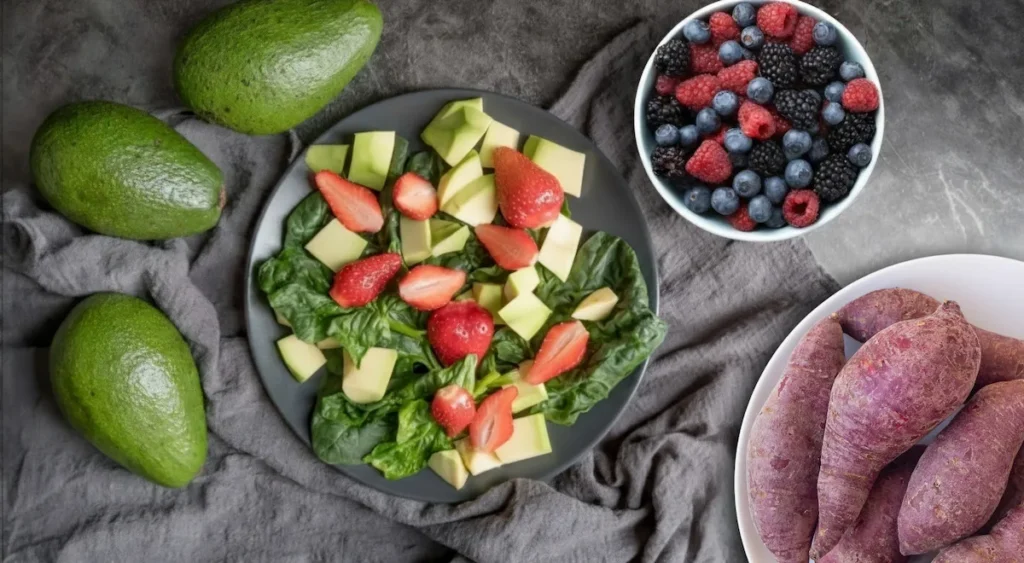
Fresh organic foods for glowing skin featuring spinach avocado salad, mixed berries, and sweet potatoes.

Top Organic Foods for Glowing Skin: Recipes and Nutrition Data

Radiant skin requires more than just a surface-level skincare routine. Your skin physically reflects your internal health and your daily nutritional choices. Topical creams offer short-term results. True radiance builds from within. When you nourish your body with the best organic foods for glowing skin, you provide the exact building blocks your cells need to repair and thrive. We will walk you through exactly how specific organic foods change your skin at a cellular level. You will also find simple, nutrient-rich recipes to make these foods a permanent part of your daily life. The Science of Organic Bioavailability and Skin Health Many people wonder why organic food matters for skin health. The answer lies in plant biology and bioavailability. Conventionally grown crops rely on synthetic pesticides to fight off insects and disease. Organic crops must defend themselves naturally. To survive, organic plants produce higher levels of secondary metabolites. In human nutrition, we call these metabolites antioxidants. When you eat organic produce, you consume higher concentrations of these natural defenders. These powerful compounds transfer to your bloodstream and act as natural skin shields. Clinical dermatological research on topical and dietary antioxidants for skin health confirms that vitamin C and related plant compounds combat oxidative stress. This process visibly reduces signs of aging and promotes long-term skin health. Choosing organic produce helps ensure higher concentrations of these skin-protecting antioxidants while avoiding synthetic chemical residues. Nutritional Density: Top Organic Skin Foods To show you exactly what these foods provide, we compiled a strict nutritional breakdown. This table highlights the specific skin-healing vitamins found in a standard 100-gram serving of our top organic picks. We source our baseline nutrient values directly from the official 2026 USDA FoodData Central database to show the foundational power of each raw ingredient. Buying the organic versions of these exact foods ensures your body absorbs these baseline vitamins without any synthetic pesticide interference. Organic Ingredient (100g) Vitamin C (Collagen Support) Vitamin E (Skin Repair) Beta-Carotene (Cell Turnover) Organic Avocado 10.0 mg 2.07 mg 62 mcg Organic Spinach 28.1 mg 2.03 mg 5,630 mcg Organic Blueberries 9.7 mg 0.57 mg 32 mcg Organic Sweet Potato 2.4 mg 0.26 mg 8,510 mcg Organic Almonds 0.0 mg 25.6 mg 1 mcg Best Organic Foods for a Glowing Skin Adding the right organic foods to your diet physically changes your skin’s appearance. You need ingredients that pack measurable nutritional power. Here are the top performers based on our data analysis. Avocados and Healthy Fats Organic avocados provide a good source of vitamin E and are highly concentrated in monounsaturated fats, with oleic acid (an omega-9 fatty acid) being the primary fat. Clinical research on how daily avocado consumption increases skin elasticity demonstrates that eating one avocado per day can significantly improve facial skin firmness and elasticity in women. This beneficial effect helps your skin maintain its natural firmness and youthful appearance. Antioxidant-Rich Berries Blueberries, strawberries, and raspberries act as natural free radical scavengers. Environmental stress damages your skin cells daily. Peer-reviewed research on how the anthocyanin pigments in berries neutralize free radicals confirms that the deep colors in these fruits contain specific compounds that actively fight this cellular damage. Eating a cup of organic berries daily provides the necessary antioxidants to help maintain firm, youthful skin. Hydrating Leafy Greens Dark greens like spinach and kale are packed with water, vitamins A, C, and K. These nutrients support tissue repair and skin health. In particular, vitamin C plays a direct role in collagen production, which helps maintain firm, youthful skin. For more on why choosing organic versions of these greens is better for you, read our guide on the nutritional benefits of organic leafy greens. Sweet Potatoes and Beta-Carotene Sweet potatoes provide high levels of beta-carotene, which your body converts directly into vitamin A. This nutrient (commonly known in skincare by its active form, retinol) plays a key role in skin cell turnover. Rather than acting as a physical surface scrub, this vitamin works internally to help shed old skin cells and promote the emergence of fresh, new cells. Peer-reviewed research on how retinol accelerates skin cell turnover confirms that this cellular process actively builds a smoother, more radiant complexion. Turmeric and Anti-Inflammatory Agents Systemic inflammation can contribute to skin redness, acne, and uneven skin tone. Organic turmeric root contains curcumin, a potent compound that helps calm inflammation in the body. Peer-reviewed research on how curcumin’s anti-inflammatory effects improve skin health confirms these benefits. Pairing turmeric with black pepper significantly increases its absorption, ensuring you get the maximum benefit. For a practical way to support calmer skin from within, we recommend exploring our guide on building an anti-inflammatory organic meal plan. Easy Skin-Boosting Recipes You now know the science behind the ingredients. Let us put that data into practice. Here are three simple, nutrient-dense recipes that deliver high doses of skin-friendly vitamins. 1. Glowing Skin Smoothie: Avocado and Berry Delight This creamy smoothie bowl provides an immediate nutrient boost to start your morning. The healthy fats from the avocado help your body absorb the fat-soluble vitamins from the spinach. Ingredients: Instructions: Blend the avocado, berries, almond milk, honey, and spinach until completely smooth. Pour the mixture into a bowl. Sprinkle the chia seeds on top and garnish with extra fresh berries. For added visual contrast and texture, you can optionally finish the bowl with a line of organic shredded coconut. For detailed preparation tips, check out our signature organic berry smoothie bowl recipe. 2. Skin-Friendly Quinoa and Kale Salad This vibrant salad works perfectly for lunch or dinner. It packs raw Vitamin C from the citrus dressing to help build collagen naturally. Ingredients: For the Citrus Dressing: Instructions: Place the quinoa, kale, orange segments, walnuts, and pomegranate seeds into a large bowl. Whisk the lemon juice, olive oil, honey, salt, and pepper together in a separate small cup. Drizzle the dressing over the salad. Toss everything thoroughly and serve immediately. 3. Beta-Carotene Bliss: Sweet Potato and Chickpea Bowl This warm bowl satisfies your

Top Organic Foods for Glowing Skin: Recipes and Nutrition Data Read More »

Scroll to Top