
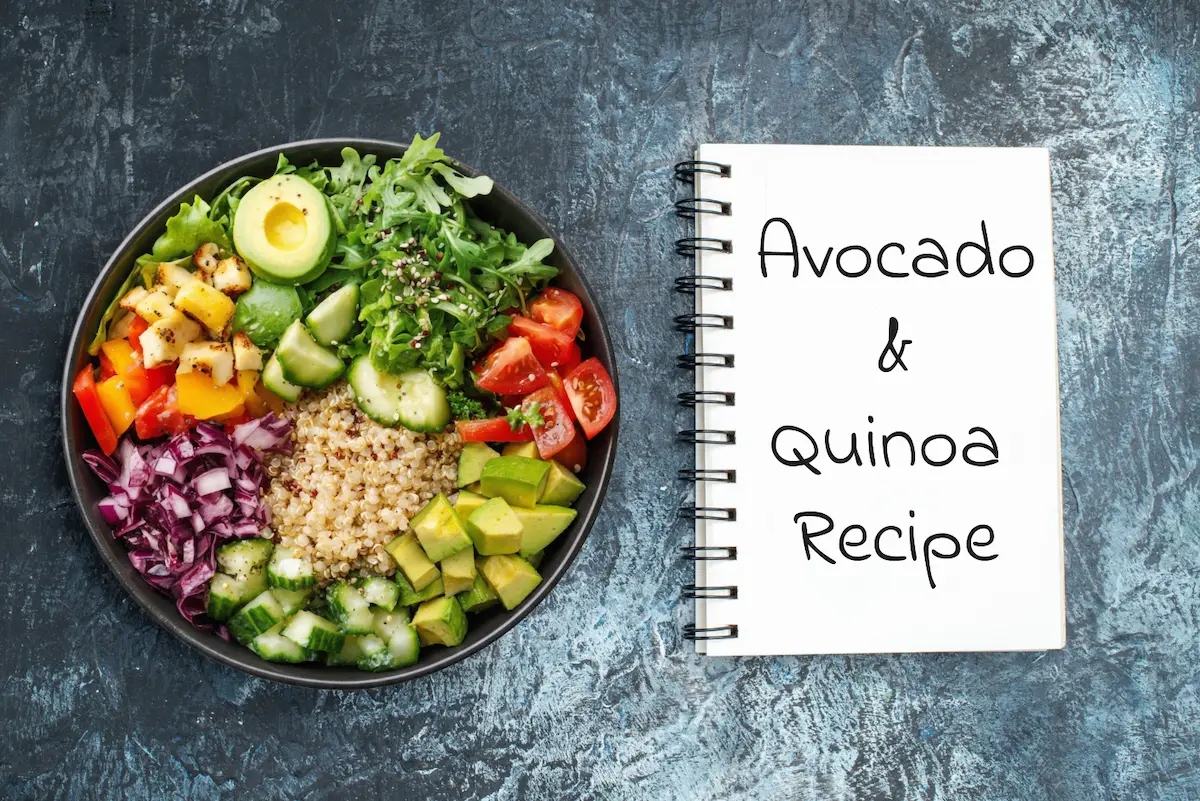
Do you ever eat a fresh salad and feel completely hungry just an hour later? Creating the perfect Avocado & Quinoa Salad solves this problem. Finding a meal that satisfies your appetite while delivering complete cellular nutrition often feels like a puzzle. Most traditional salads lack the proper balance of complete proteins, complex carbohydrates, and healthy fats. To solve this problem, dietary science points to a very specific combination of ingredients.
You can combine the amino acid profile of organic quinoa with the lipid structure of fresh avocados. As a result, you create a meal that acts as a nutritional powerhouse. This high-protein avocado & quinoa salad recipe goes far beyond basic taste. It relies on the biological synergy between specific plant compounds to boost your heart health, stabilize your blood sugar, and increase the way your body absorbs vitamins.
This guide breaks down the exact science behind these powerful ingredients. Next, it provides a simple, clean recipe to elevate your weekly meal plan.
The Science Behind Your Avocado & Quinoa Salad: Complete Plant Protein
Many grains provide basic energy but very few provide the complete building blocks required for human muscle and tissue repair. Quinoa stands apart in the botanical world. This pseudocereal is native to the Andean regions of South America. It has sustained populations for thousands of years. Today, clinical researchers classify it as a highly functional food.
The Essential Amino Acid Profile
Proteins consist of amino acids. The human body requires nine specific amino acids from food because it cannot produce them internally. Most plant-based foods lack one or more of these essential amino acids. This makes them incomplete proteins.
In contrast, quinoa breaks this rule entirely. It contains all nine essential amino acids. Specifically, it is rich in lysine and leucine. Lysine plays a critical role in tissue repair and immune function. Meanwhile, leucine acts as a primary trigger for muscle protein synthesis. Comprehensive macronutrient profiling by the USDA confirms that a single cup of cooked quinoa delivers over 8.14 grams of high-quality protein.
| Amino Acid | Concentration per 100g Cooked Quinoa | Primary Biological Function |
| Leucine | 0.261g | Stimulates muscle protein synthesis and repair. |
| Lysine | 0.239g | Supports calcium absorption and collagen formation. |
| Valine | 0.185g | Promotes muscle growth and tissue regeneration. |
| Methionine | 0.096g | Aids in detoxification and acts as a potent antioxidant. |
Amino acid profile sourced directly from the USDA FoodData Central database.
Quinoa vs. White Rice: A Nutritional Comparison
When building a salad base, many people reach for white or brown rice. Swapping rice for quinoa drastically improves the nutritional density of your meal.
A peer-reviewed clinical analysis of quinoa’s macronutrient profile confirms that its nutritional value far surpasses that of refined white rice. For instance, one cup of cooked quinoa contains 222 calories and 39.4 grams of carbohydrates. One cup of white rice contains 242 calories and 53.2 grams of carbohydrates.
The most striking difference appears in the fiber content. Quinoa provides 5.18 grams of dietary fiber per cup, compared to a mere 0.6 grams in white rice. Fiber slows down digestion. It prevents sudden spikes in your blood glucose levels. Also, dietary intervention studies confirm quinoa has a low glycemic index of 62 making it an excellent choice for your metabolic health. It improves insulin resistance and enhances lipid profiles better than traditional whole-grain diets.
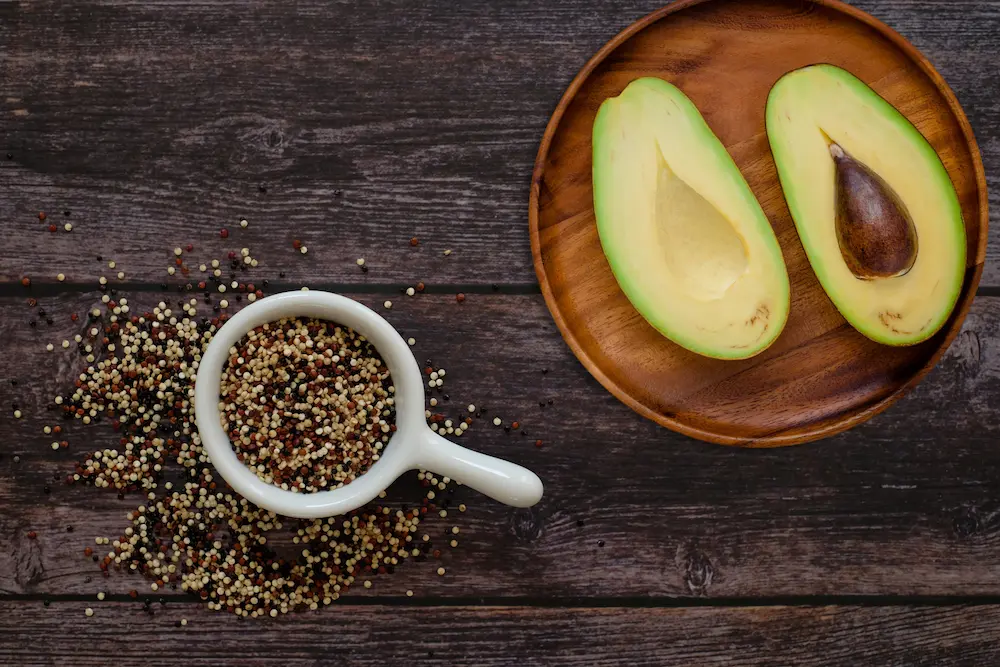
For readers looking to expand their knowledge on building muscle with plants, reviewing our complete guide on plant-based protein sources and their biological value offers excellent foundational advice for your daily diet.
Avocados: The Heart of Your Avocado & Quinoa Salad
While quinoa provides the structural protein, avocados deliver the energy-dense fats necessary for a thriving cardiovascular system. Many people fear dietary fat. But, medical science clearly distinguishes between harmful saturated fats and protective unsaturated fats.
Monounsaturated Fats and Heart Health
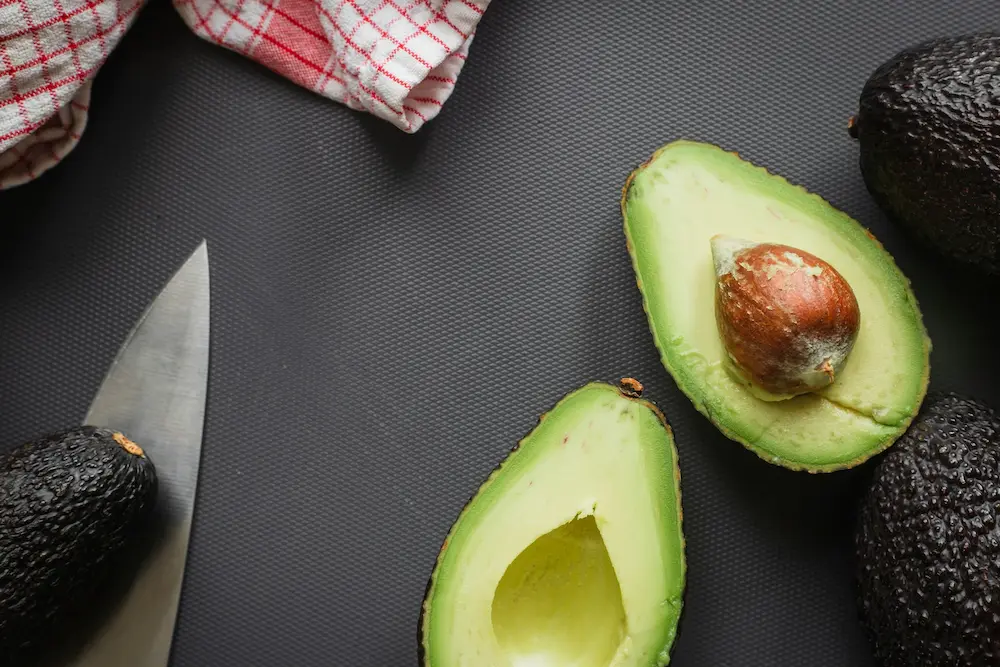
Avocados are extremely rich in monounsaturated fatty acids. These specific fats actively protect your heart. Clinical guidelines strongly advise replacing saturated fats with monounsaturated fats to keep your cholesterol in check and protect your overall cardiovascular health.
Long-term clinical data supports this recommendation. An exhaustive 30-year longitudinal study tracking over 110,000 health professionals found that participants who consumed at least two servings of avocado each week experienced a 16% lower risk of cardiovascular disease. The same group showed a 21% lower risk of coronary heart disease.
Swapping out butter, cheese, or processed meats for half a serving of avocado daily can lower your risk of cardiovascular disease events by up to 22%.
Improving Overall Diet Quality
Adding an avocado to your daily meal plan does more than just protect your heart. It changes your overarching dietary habits. For example, a recent 26-week clinical trial examined the effects of daily avocado consumption on 1,008 adults.
The trial, detailed by researchers at Penn State University, revealed that daily avocado consumption improves overall diet quality by significantly increasing adherence to the Dietary Guidelines for Americans. The avocado group saw major improvements in their Healthy Eating Index scores. They consumed more total vegetables and improved their overall fatty acid ratio. As a bonus, the daily avocado habit also led to improved sleep health.
For individuals managing their liver enzymes, adding healthy fats is absolutely crucial. Learn more by reading our breakdown of clinically proven foods to naturally reverse fatty liver.
The Biochemical Synergy of an Avocado & Quinoa Salad
What happens when you mix a complete plant protein with a dense source of monounsaturated fats? A biological synergy occurs. This combination unlocks nutrients that your body would otherwise struggle to absorb.
Maximizing Nutrient Absorption
Many vegetables contain fat-soluble vitamins (Vitamins A, D, E, and K) and powerful antioxidants called carotenoids. Your digestive tract cannot efficiently absorb these nutrients unless dietary fat is present during digestion.
Quinoa and the surrounding salad vegetables contain high levels of these beneficial compounds. Quinoa is extremely rich in Vitamin E. When you eat these greens dry or with a fat-free dressing, a large percentage of the nutrients passes right through your body unabsorbed.
Adding avocado changes your digestive environment entirely. The monounsaturated fats in the avocado bind to the vitamins and carotenoids, acting as a transport vehicle across your intestinal wall.
Clinical trials measuring human postprandial carotenoid absorption prove the magnitude of this effect. Researchers tested nutrient absorption by feeding participants high-carotene foods with and without avocado. The results were staggering. First, adding 150 grams of avocado to the meal increased the absorption of beta-carotene by 6.6 times. Second, it increased the absorption of alpha-carotene by 4.8 times. Most importantly, the presence of avocado increased the body’s ability to convert inactive provitamin A into active vitamin A by 12.6 times.
This exact biochemical interaction proves that combining avocado and quinoa creates a meal that is mathematically more nutritious than eating the ingredients separately.
To explore more foods that protect your cellular health, check out our comprehensive list of high-antioxidant foods that naturally prevent cellular damage.
Dietary Fiber and Digestive Wellness
The final pillar of this avocado and quinoa salad recipe is its massive fiber content. Both primary ingredients provide exceptional levels of dietary fiber. This creates a highly filling meal that supports your digestion and keeps your blood sugar balanced throughout the afternoon.
An umbrella review of 18 meta-analyses encompassing 298 prospective observational studies provides convincing evidence that higher dietary fiber intake lowers cardiovascular disease risk. Fiber ferments in your gut microbiome to produce short-chain fatty acids like butyrate. These fatty acids possess strong anti-inflammatory properties. A high-fiber diet is strongly linked to better weight management and a lower risk of stroke. By eating this salad, you give your body the exact tools it needs to maintain a healthy digestive tract.
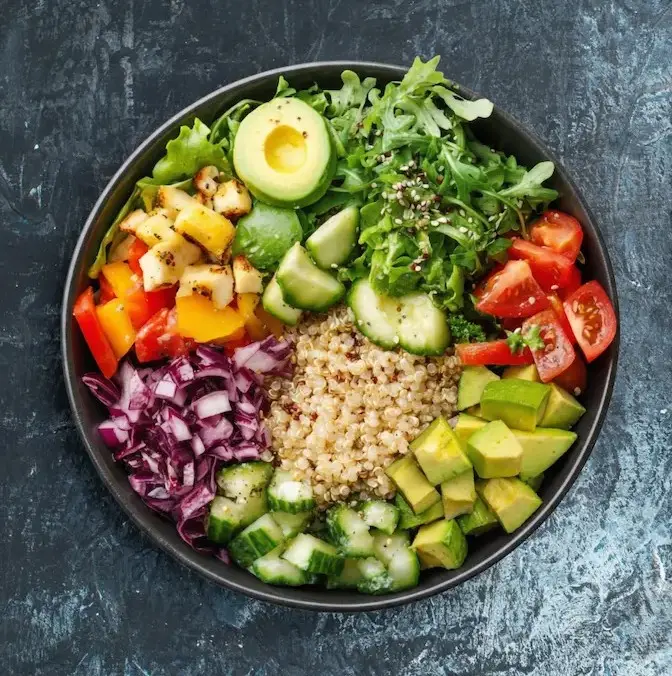
The High-Protein Avocado & Quinoa Salad Recipe
Ingredients
Method
Cook Your Quinoa
Rinsing your quinoa is a non-negotiable step. Quinoa seeds naturally develop a bitter coating called saponins to deter pests. Rinsing the seeds under cold running water for thirty seconds removes this coating and ensures a sweet, nutty flavor.Place the rinsed quinoa and the vegetable broth into a medium saucepan. Bring the liquid to a rapid boil. Once boiling, reduce the heat to a low simmer. Cover the saucepan with a tight-fitting lid. Allow the grain to cook for 15 minutes, or until the seeds have absorbed all the liquid. Remove the pan from the heat and let it rest for 5 minutes. Finally, lightly fluff the cooked grains with a fork and transfer them to a large mixing bowl to cool.Prep the Veggies
While your quinoa cools a little bit, prepare your fresh produce. Dicing the cucumber and halving the cherry tomatoes adds essential hydration and texture to your salad. Finely chopping the red onion provides a sharp, crisp bite that balances the richness of the other ingredients. After that, add the chopped vegetables and your mixed greens to the cooled quinoa.Mix the Clean Dressing
In a small glass jar, combine the extra virgin olive oil, fresh lemon juice, minced garlic, sea salt, and black pepper. Seal the jar with a lid and shake vigorously until the oil and lemon juice emulsify into a smooth dressing. The lemon juice provides Vitamin C, while the olive oil adds another layer of heart-healthy unsaturated fats.Add the Avocado Last
Wait until the very end of the process to cut your avocados. Exposure to air causes avocados to oxidize and turn brown. Slice the avocados in half, remove the pit, and cube the green flesh. Gently fold the cubed avocado into the quinoa and vegetable mixture. Saving the avocado for last ensures it does not turn into a mushy mess after it gets tossed.Dress and Serve
Pour the emulsified dressing over the salad. Use a large spoon to gently toss the ingredients. Ensure the dressing coats the quinoa grains and the avocado pieces evenly. The acidity of the lemon juice will coat the avocado, helping to prevent browning and preserving that bright green color. Sprinkle your hemp or chia seeds over the top for the finishing touches. Enjoy immediately or refrigerate for a cool lunch the next day.
Quick Tips for Your Avocado & Quinoa Salad
Want to prep ahead?
You totally can do this. Just store the avocado separately until you are ready to serve. This ensures your avocado will remain green and fresh for your meal.
Need more protein?
A serving of nuts or chickpeas can add much-needed protein to this salad and introduce a great new texture.
What pairs well with this salad?
This avocado & quinoa salad stands alone pretty well as a filling meal. Crusty whole-grain bread is an amazing accompaniment. You could also serve it alongside your favorite grilled plant-based proteins.
The Science of Real Food in Every Avocado & Quinoa Salad
Your daily food choices dictate your long-term health outcomes. Relying on scientifically proven ingredients removes the guesswork from your daily nutrition. By combining the cardiovascular protection of avocados with the complete protein profile of quinoa, you build meals that actively support your muscle growth and increase your vitamin absorption.
Embracing these natural, organic ingredients ensures that every bite serves a distinct biological purpose. Clean eating relies on understanding these biological truths and applying them in your kitchen every single day.
Looking for more organic ideas and health tips? Explore our full collection of wholesome, clean-eating recipes for daily meal inspiration, or visit our organic living and natural nutrition guides for the latest updates on your health journey.