Recipes

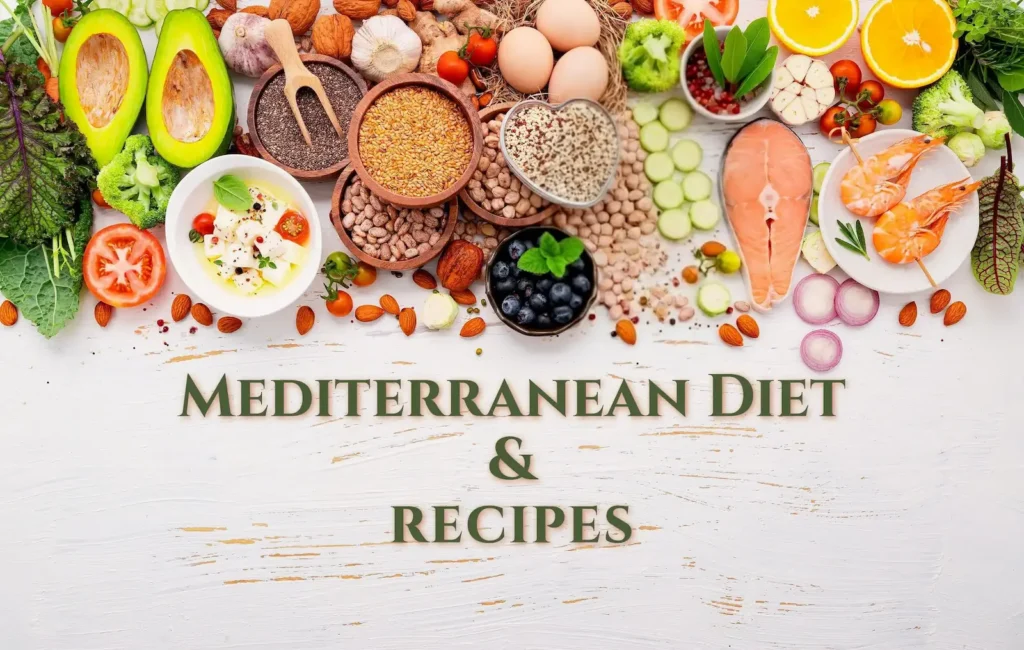
Mediterranean diet recipes banner with vegetables, beans, nuts, fish, eggs and olive oil on a white table

Mediterranean Diet Recipes: Healthy, Simple, and Real

When people talk about Mediterranean diet recipes, they are often picturing plates full of olives, grilled fish, and golden drizzles of olive oil. The truth is, it is not about any one food. It is about how it all fits together. This way of eating isn’t built on rules. It’s built on rhythm — fresh produce, grains with fiber, real fats, and recipes that feel like home cooking. No factory-made blends or synthetic ingredients — just the basics, done well. In this guide, we’ll walk through Mediterranean diet recipes that are actually practical. They’re based on real ingredients, easy techniques, and health benefits supported by science. Whether you’re trying to eat cleaner, protect your heart, or just enjoy what’s on your plate, this is a good place to start. And if you’re building out your meal rotation, you can borrow ideas from our pasta dishes that pack in more protein without feeling heavy and also take a look at our article on using clean, real spices to bring more depth to everyday cooking. What Makes a Mediterranean Diet So Healthy and Real? People talk about the Mediterranean diet like it is a special plan, but on the plate it looks like normal food. Regular family meals with vegetables, good oil, simple grains, fish when you can. So what is it about that mix that keeps showing up in health research and still feels real and doable? The Science-Backed Health Benefits You’ve probably heard this before — the Mediterranean diet is one of the healthiest eating patterns in the world. But that’s not marketing. It’s backed by decades of research. Long-term research on Mediterranean-style eating shows lower rates of heart disease, stroke, and chronic inflammation in people who follow this pattern on a regular basis. Large medical groups also link this way of eating to better brain health and a lower risk of cognitive decline as we age. Your daily meals can support both your heart and your mind in a quiet, consistent way. Why does it work? It’s not magic — it’s meals made with olive oil, fiber from legumes, plant diversity, and omega-3s from seafood. These ingredients reduce inflammation and support a more stable metabolism. The best part? It’s a way of eating you can stick with. Real Ingredients Over Rules There’s no strict list of “yes” or “no” foods. Instead, it’s about making most of your meals from things that don’t come with a barcode. Think lentils, tomatoes, garlic, grains, fish, and fresh herbs. Add olive oil, not artificial dressings. Snack on nuts, not puffs. We already explored this way of eating in our guide on choosing clean plant proteins, where foods like beans and lentils carry most of the protein and taste. If you want a clear picture of how a balanced Mediterranean-style plate is put together, look at this pyramid that sets out grains, vegetables, healthy fats, and proteins in simple layers. What would that kind of plate look like on your own table? Mediterranean Diet Recipes Made Simple for Real Life Each of the Mediterranean diet recipes below is clear, easy to follow, and loaded with ingredients that match this way of eating. Real, simple food that still feels satisfying. Whether you’re cooking for one or prepping for the week, these fit right into everyday life. 1. Mediterranean Chickpea Salad (No-Cook, High Protein Recipe) This 10 minute salad is bright, protein rich, and full of gut friendly fiber. It is one of those Mediterranean diet recipes you can throw together for lunch or a light dinner. Ingredients: Directions: This kind of mix shows up in our list of everyday foods that help your immune system stay steady. Chickpeas, garlic, and lemon all repeat there, because they pull their weight in simple daily meals. 2. One-Pan Baked Cod with Olive Oil and Tomatoes A light Mediterranean-style dinner with minimal cleanup. High in omega-3s and flavor. Ingredients: Directions: 3. Spiced Lentil Stew with Fresh Herbs Comforting, earthy, and full of anti-inflammatory spices. Ideal for meal prep. Ingredients: Directions: Turmeric and cumin also show up in our breakdown of clean spices you can use in everyday cooking, where we talk about how they may help with long-term inflammation when they are part of regular meals. 4. Simple Farro Bowl with Greens and Feta A buildable bowl that’s warm, satisfying, and loaded with fiber and healthy fats. Ingredients: Directions: Tip: Swap spinach for kale, or feta for grilled tofu if you’re dairy-free. 5. Yogurt with Olive Oil and Nuts (Quick Mediterranean Dessert Recipe) A naturally sweet, probiotic-rich treat that takes 2 minutes to prepare. Ingredients: Directions: This simple dessert skips the sugar crash — and still hits the spot. How to Build Your Own Mediterranean Meals (No Overthinking Needed) Some nights you stand in front of the fridge and think, okay, what now. This is where a Mediterranean style meal actually feels simple. You reach for a grain, some vegetables, a bit of protein, a small splash of good fat, and you already have the base of a solid plate. Use the 4-Element Mediterranean Meal Builder When in doubt, just build your plate with four elements: This approach mirrors how Mediterranean families have eaten for generations — no overthinking, just real ingredients working together. You can also look at this Mediterranean eating pattern rooted in tradition, built on years of diet research. It focuses on whole foods, plenty of plants, and moderate portions without relying on alcohol. Mediterranean Staples to Always Keep at Home If your pantry and fridge are stocked with the right basics, you’ll always have something healthy to reach for. Here’s what helps most: Pantry: Fridge: These ingredients play nicely together, and they last longer than you’d expect — perfect for busy weeks. Smart Tips to Keep Your Mediterranean Diet Healthy & Sustainable When Simplicity Is the Healthiest Choice You don’t need complex meals to eat well. Some of the most nourishing Mediterranean dishes are the simplest: grilled zucchini with hummus, lentils and greens with

Mediterranean Diet Recipes: Healthy, Simple, and Real Read More »

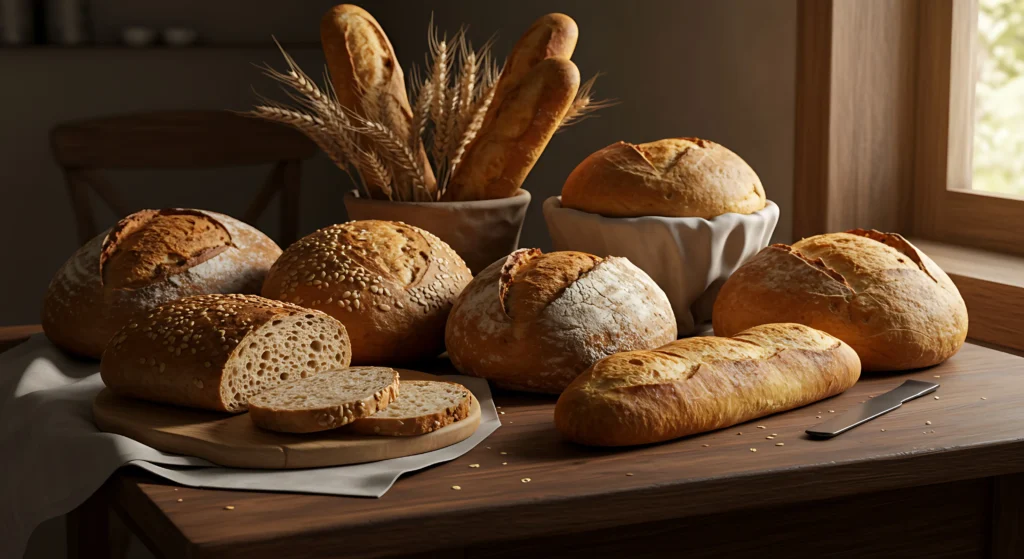
Whole grain and seeded artisan bread loaves on rustic table in natural kitchen light

Healthy Bread Recipes: Soft, Easy & Clean Bakes

Healthy bread recipes can be soft and easy without turning into a “health” project. The real advantage of baking at home is control. You decide the flour, the fat, the salt, and how sweet it gets. Packaged bread is not always bad. Still, many loaves stay soft for weeks because they lean on refined flour, added sugar, and processing helpers. If you want a cleaner label, homemade is the simplest route. This guide breaks down what “healthy” usually means in bread, which ingredients matter most, and five beginner-friendly recipes you can slice and repeat. What Makes Bread “Healthy”? (And What to Watch Out For) The healthiest breads share three things: whole food ingredients, fiber, and minimal processing. That does not mean flavorless or dry. Get those three right and you will have healthy bread recipes that stay soft and still taste like bread. Unfortunately, most commercial breads fall short. They often contain: Want better? Swap in nutrient-rich flours, whole grains, seeds, and natural fermentation. Here’s how: Ingredients That Belong in Healthy Bread Recipes Looking to add depth of flavor without extra sugar? Try warming spices like cinnamon, cumin, or even turmeric. We covered these versatile add-ins in our guide to clean organic spices for baking. Many work well in both savory and sweet bread recipes. Ingredients You Might Want to Avoid Not all ingredients deserve a spot in your bread. To compare flour nutrition across brands and types, use the USDA FoodData Central flour database. Top Healthy Bread Recipes (Soft, Easy & Nutrient-Rich) You don’t need pro baking skills to make good bread at home. Start with clean ingredients, follow a simple method, and aim for a soft crumb. These recipes are not sourdough or crusty artisan loaves. They are beginner-friendly breads you can slice for breakfast or snacks. Each one skips refined sugar and long additive lists. 1. Whole Grain Banana Bread (Naturally Sweetened) Soft, sweet, and made with real ingredients, with no added sugar and no empty carbs. This one gets its flavor and texture straight from the bananas and oats. It’s a clean bake that holds together and satisfies. What You’ll Need: How to Make It: Mash the bananas in a mixing bowl until they’re completely smooth, with no chunks. Add the oil, flax, cinnamon, baking powder, and salt. Stir in the oat flour last. The batter should feel thick, almost like a scoopable paste. Line a loaf pan with parchment. Press the mixture in and smooth the top. Bake at 350°F (175°C) for 35 to 40 minutes, or until a toothpick in the center comes out mostly clean. Let it cool in the pan. It firms up as it rests. Why It Works: As we explained in these clean pasta meals that balance protein and complex carbs, the goal is to steady blood sugar and avoid post-meal crashes. 2. No-Knead Spelt Bread Spelt is an older type of wheat, and it bakes into a hearty loaf with a mild, nutty taste. Some people simply prefer it over white flour. Spelt still contains gluten, so it is not suitable for celiac disease or a true wheat allergy. What Goes In: What to Do: Toss everything into a big bowl and stir it around until it all comes together. No kneading here. The dough should look rough and feel sticky, which is fine. Cover it and leave it alone on the counter for 10 to 12 hours. It’ll rise on its own. Once it’s ready, get your oven to 450°F. Heat up a Dutch oven inside for about 30 minutes. Then drop the dough in carefully, cover it, and bake for 30 minutes. Take the lid off and let it go for another 10 or so to brown the top. What You Get: A crusty, golden outside and a soft, chewy middle. No kneading. No mixer. Just flour, salt, water, and time doing what they do best. 3. Gluten-Free Almond Flour Bread This one doesn’t try to mimic white bread, and that’s part of the charm. It’s got a dense, soft middle, slices well, and holds together when toasted. Plus, it’s quick. What You’ll Need: How to Make It: Crack the eggs into a mixing bowl and give them a quick whisk. Add the vinegar and salt. They help with texture and flavor. Stir in almond flour and baking soda until you’ve got a thick, spoonable batter. If you’re using chia or flax, fold that in at the end. Baking Time: The top should look set, and the center should give just a little when pressed, with no wobble. Let it cool before slicing. Almond flour firms up best once it rests. Why It Works: You’ll get a clean loaf full of healthy fats, light protein, and that mild, nutty flavor almond flour is known for. It’s a solid base for both sweet and savory. Spread on almond butter, dip it in olive oil, or just toast it plain. 4. Oatmeal Honey Bread (Low Sugar, High Fiber) It’s the kind of bread you keep coming back to. Mildly sweet, soft in the middle, and firm enough to hold up in a toaster. You can eat it plain or dress it up, and it won’t fall apart. What You’ll Need: How to Make It: Stir the oats, flour, yeast, and salt in a large bowl. Add the water, honey, and oil. Mix until the dough holds together. You don’t need to knead it. Just combine it well enough so there aren’t dry patches. Let the dough rest, covered, for about an hour. It’ll puff up a bit. After that, shape it and drop it into a loaf tin. Bake at 375°F (190°C) for about 30 minutes. You’ll know it’s done when the top turns golden and it sounds hollow if you tap it lightly. Why It Matters: Oats contain beta-glucan, a soluble fiber linked with LDL cholesterol improvements when intake is consistent. Whole wheat adds extra fiber and helps the loaf feel more filling. If you want the

Healthy Bread Recipes: Soft, Easy & Clean Bakes Read More »

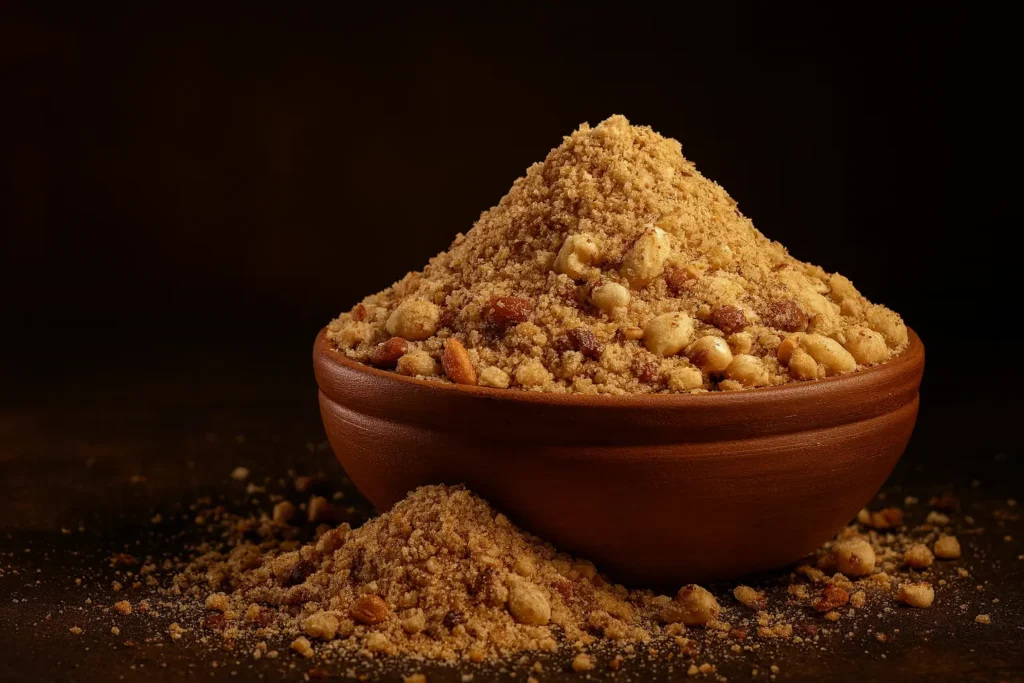
Organic Panjeeri in a clay bowl, made with almonds, Tragacanth Gum, lotus seeds, and whole grains

Organic Panjeeri: Traditional Superfood for Energy, Digestion & Healing

What Is Organic Panjeeri and Why Is It Still Relevant Today? Organic Panjeeri doesn’t come with a barcode — and it doesn’t need one to give you real energy. Let’s stop pretending it has to come from a bottle or packet. Organic Panjeeri — it’s this old-school mix. Feels more like medicine than dessert. Except it’s neither. It’s… food. Real food. If you’ve spent time in Punjabi households, or even just around women who’ve given birth, you’ve probably seen it. A tin on the counter. A spoon, half dipped. Sometimes warm. Sometimes crumbly. It’s always there. What is it exactly? Roasted flour. Usually chickpea. Nuts, seeds, jaggery, spices like ajwain and fennel. All bound together with ghee. You toast it. Stir it. It takes time. But that’s part of it — the slowness is healing, too. They used it — still use it — after childbirth. Winter days demanded it. So did weak limbs and worn-out minds. When your body felt like it had nothing left to give—this was the thing that pulled you back. And today? With people fried, bloated, anxious, energy-drained — it makes more sense than ever. If you want real data: this article on the nutritional profile of Panjeeri laddu as a traditional postpartum supplement gives much stronger evidence — it details calorie content, vitamins, minerals, protein, and fatty acid composition, all in a peer‑reviewed context Lippincott Journals. That puts panjeeri firmly outside cultural myth — it’s documented function, not just tradition. Core Benefits of Organic Panjeeri Backed by Nutrition Science 1. Clean Energy from Real Ingredients (No Spikes, No Crashes) Let’s get one thing out of the way. Energy? It’s not about how fast something hits. It’s about how long it stays. Panjeeri works because it burns slow. Not flashy. Not instant. Just steady. You’re not buzzing after eating it. Still, two hours later? You’re going strong. 2. Organic Panjeeri for Better Digestion and Gut Comfort Let’s talk gut. Most people walk around bloated and don’t even realize that’s not normal. Panjeeri hits that from a few angles: It’s not a laxative. It’s support. And no — this isn’t just old wisdom. A medical study showed that fennel helped reduce gas and bloating after childbirth, just as well as regular anti-gas medicine. It worked gently. No harsh side effects. People were using this blend to calm the stomach long before anyone started talking about probiotics or gut bacteria. 3. Healing and Immunity Support During Postpartum & Stress Here’s something people don’t say enough: recovery needs fat. You lose more than calories during stress. Or childbirth. Or illness. You lose nutrients. Warmth. Balance. Panjeeri puts those back: And it’s warm. That’s part of the medicine. Especially postpartum. In a 2024 nutritional study on Panjeeri laddu – purpose-built for postpartum recovery — researchers found it calorie-rich and full of protein, healthy fats, minerals like iron and magnesium, and vitamins B and E. That scientific profile maps directly to why it’s still relied on in postpartum nutrition plans. This isn’t comfort food. Instead, it’s rebuilding food. Real nutrients meant to help you recover and recharge. 4. Nutrient Density for Healthy Weight Gain Not everyone’s trying to lose weight. Some folks — underweight, post-illness, post-op — need to gain. But cleanly. You don’t want junk. You want calories that heal. Panjeeri hits that sweet spot. For someone who’s lost appetite, or can’t eat big meals, a couple of tablespoons of this… it goes a long way. Ingredient Breakdown: What Makes Organic Panjeeri a Functional Superfood? Let’s not kid ourselves. “Superfood” is slapped on everything now — quinoa, chia, whatever’s trendy. But this? This mix earns the title. Because every spoonful does something. It’s not for show. Let’s break it down — not with marketing fluff — just plain food truth: Chickpea flour This one’s not just protein — it’s fuel with fiber. Keeps blood sugar from nosediving. It brings iron too, the kind your body actually uses. There’s research showing chickpea flour helps keep things steady in your system. For example, it regulates digestion, blood sugar, and appetite. Ghee It’s not just fat. It has fatty acids that aren’t empty—they feed your cells. Plus, research shows ghee contains short- and medium-chain fats, and CLA-like compounds known for reducing inflammation and aiding digestion. All while carrying fat-soluble vitamins A, D, E, and K. Nuts (almonds, walnuts) They don’t just sit there crunchy and pretty. They come packed with vitamin E, magnesium, and good fats — the kind your brain, skin, and muscles appreciate. Especially when recovery’s in progress or hormones are swinging wild. Seeds (flax, melon, poppy) Each one plays a quiet role. They don’t get the spotlight, but they do the work. Flax helps your gut. Melon seeds bring zinc and calm. Poppy seeds? Gentle hormone support. Not magic. Just… consistent helpers. Fennel & Ajwain They’re not just there for taste. Ajwain helps relax the gut, eases bloating, and supports digestion — especially after childbirth, when the body’s still recalibrating. You’ll find it widely used in postpartum mixes for a reason. And yes, there’s strong backing for it — even in modern gut health conversations. Its digestive properties go far beyond folk wisdom. Fennel backs it up. It’s calming, de-bloating, and helps food move without discomfort. This isn’t a random combo — it was designed, long before probiotics got trendy. Jaggery It’s sugar, yes — but not the white kind stripped of everything. This brings iron. Potassium. And trace minerals that support energy without the crash. Especially important when your body’s trying to rebuild or re-energize after stress or fatigue. And guess what? A bunch of these show up in our natural immune-supporting foods list too — because they do more than one job. They support the whole system. Forget the term “superfood” for a second. This is food your body gets. It’s calorie-dense, sure — but with function behind every bite. No filler. No fake shine. Who Should (and Shouldn’t) Use Organic Panjeeri? It’s Ideal For: Use

Organic Panjeeri: Traditional Superfood for Energy, Digestion & Healing Read More »

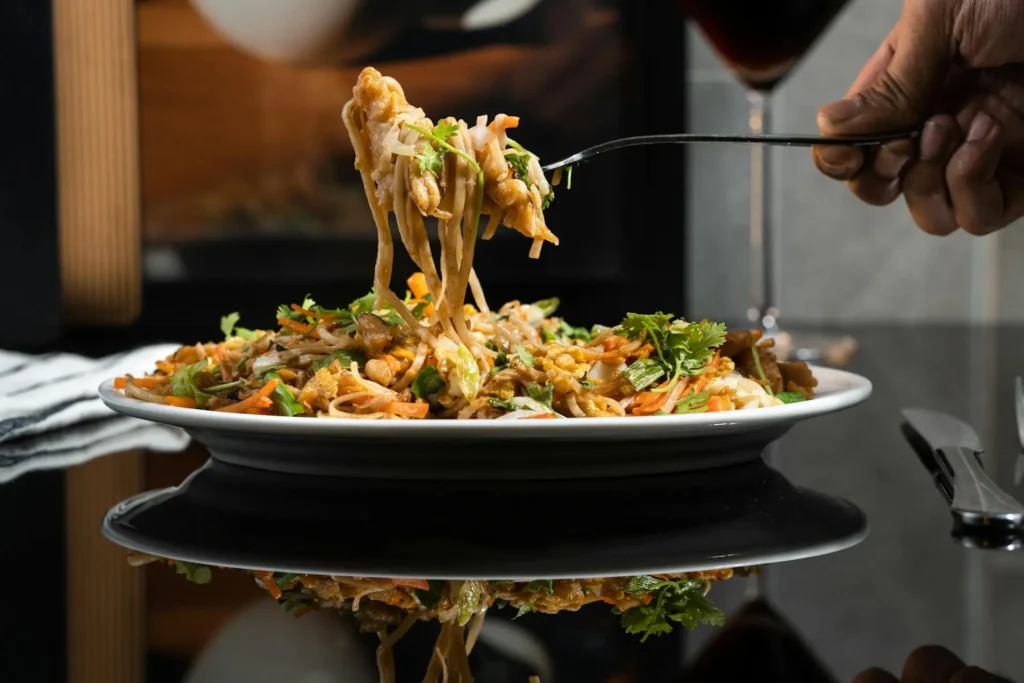
High protein pasta dish with vegetables being lifted by a fork

High Protein Pasta Recipes: Clean, Filling & Flavorful

Some pasta meals leave you hungry again fast. That usually happens when the plate has lots of noodles and not much protein or fiber. High protein pasta can help. It uses ingredients like chickpeas, lentils, peas, edamame, or quinoa blends. That often changes the nutrition label in a good way. In this post, you will learn what high protein pasta is, which types cook well, and easy clean recipes you can use on busy days. Quick note before we start. Brands vary a lot. Always check the serving size on the label so you compare fairly. What Is High Protein Pasta? High protein pasta uses ingredients like lentils, chickpeas, edamame, or quinoa blends instead of only refined wheat. Some brands also add pea protein or whey to raise the protein on the label. Many high protein pastas list more protein and fiber than standard pasta. The exact numbers change by brand and serving size, so compare labels using the same dry portion. When you get more protein and fiber in the meal, many people feel fuller and steadier after eating. You still need a balanced plate. Pasta alone will not do the job. How It’s Different from Regular Pasta Traditional pasta usually uses wheat semolina. It can still fit into a healthy diet. The difference is that many high protein pastas start with legumes or soy, so they bring more protein and fiber by default. That often changes how full you feel after the meal. It also changes texture, so cooking time matters. Many high protein pastas are gluten free because they use legumes or soy. Still, check the label. If you need strict gluten free, look for a clear gluten-free claim and certification. Health Benefits of High Protein Pasta When you add protein to a meal, many people feel steadier after eating and snack less later. High protein pasta can make that easier because the pasta itself brings more protein than regular noodles. You still get the best result when you add vegetables and a protein topping. Keeps You Fuller for Longer Protein tends to keep you full longer than a low-protein meal. You can test this yourself. Try two bowls on different days. First, pasta with sauce only. Second, pasta with vegetables and a protein source like chicken, tofu, lentils, or a yogurt-based sauce. Most people notice fewer cravings later with the second bowl. Supports Muscle Recovery Protein isn’t just about gym goals. It’s essential for cellular repair, immune health, and hormone balance. A review from the Journal of the International Society of Sports Nutrition discusses protein intake patterns for people who train. Many people do well when they spread protein across meals instead of packing most of it into one sitting. Naturally High in Fiber and Nutrients Lentils, quinoa, and edamame bring more than protein. They also add fiber and useful minerals. You will often see iron, magnesium, and B vitamins show up across these foods, though exact amounts depend on the brand and portion size. If you want numbers, trust the label more than the marketing on the front of the box. Best Types of High Protein Pasta to Try Some boxes look healthy but do not offer much protein or fiber. These options usually perform well in real kitchens and also give better nutrition for most people. Chickpea Pasta Many chickpea pastas list high protein and solid fiber, but the exact numbers change by brand. Check the nutrition label for the dry serving size. Chickpea pasta also has a mild nutty taste, so it works well with tomato sauces and roasted vegetables. Lentil Pasta Red or green lentil pasta holds its shape well and has a mild earthy taste. It’s ideal for cream sauces or baked casseroles since it doesn’t go mushy as easily. Quinoa Pasta Quinoa is known for having a strong amino acid mix. Quinoa-based pastas can help you add variety, but blends differ. Some products mix quinoa with rice or corn, so check ingredients and the nutrition label. Edamame Noodles Some edamame or soybean noodles list very high protein on the label. Values vary by brand, so check the Nutrition Facts panel. These noodles also taste stronger, so they pair well with garlic, sesame, ginger, and chili. Clean, High Protein Pasta Recipes to Try Here are a few easy combos that feel like comfort food but still give you a balanced plate. Mediterranean Chickpea Pasta Bowl Toss cooked chickpea pasta with cherry tomatoes, olives, red onion, cucumbers, and a splash of lemon-olive oil dressing. Add crumbled feta for extra flavor and calcium. Bonus Tip: Sprinkle with oregano and fresh parsley for an antioxidant kick. Edamame Noodle Stir-Fry Sauté garlic, broccoli, bell peppers, and carrots in sesame oil. Toss in cooked edamame noodles and a dash of tamari. Top with sesame seeds and green onions. Flavor Boost: Add fresh ginger or a spoonful of chili paste for heat. Creamy Vegan Lentil Pasta Blend soaked cashews with garlic, lemon juice, and nutritional yeast to make a creamy sauce. Toss it with red lentil pasta and roasted zucchini. Keep portions realistic and add vegetables generously. That’s what makes it filling without needing heavy cream. Cottage Cheese Protein Pasta Bake Layer cooked whole grain or legume pasta with seasoned cottage cheese, sautéed spinach, and a light tomato sauce. Bake until golden and bubbling.Cottage cheese gives this bake more protein without needing heavy cream or processed cheese. It also makes the dish more filling, so you can keep portions sensible and still feel satisfied. If you’re looking for more creative ways to use cottage cheese in clean, high-protein snacks, try these crispy cottage cheese chips. They’re simple, oven-baked, and a great savory alternative to store-bought crackers. Avocado Protein Pasta with Nutritional Yeast Mash ripe avocado with lemon juice, garlic, and a splash of olive oil. Toss with quinoa pasta and finish with a generous sprinkle of nutritional yeast.This quick sauce gives you healthy fats, plant protein, and a cheesy flavor — without any dairy. It’s perfect

High Protein Pasta Recipes: Clean, Filling & Flavorful Read More »

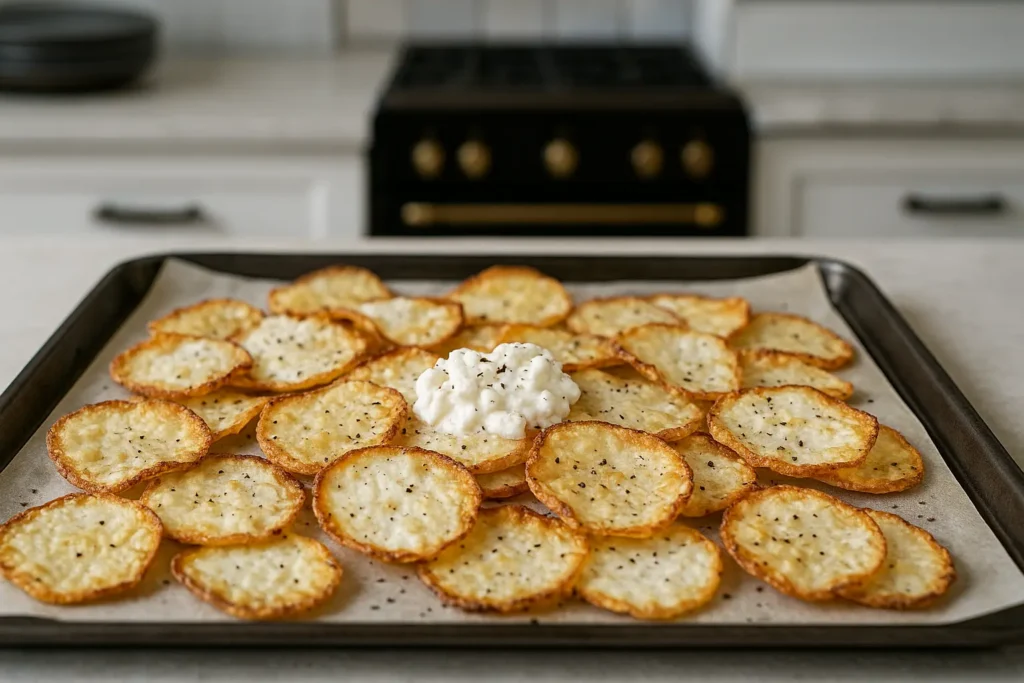
Golden crispy cottage cheese chips on parchment paper with seasoning

Crispy Cottage Cheese Chips: Easy Recipes and Tips

Cottage cheese chips are popular for one simple reason. They turn basic cottage cheese into a crunchy snack you can make in the oven or air fryer. It sounds odd at first. Cheese that crunches? Cottage cheese can crisp up when you bake or air fry small scoops until the moisture cooks off. The result is a high protein snack that can be lower in carbs than many packaged chips. It depends on the brand and portion. In this guide, you’ll learn how to make cottage cheese chips, which cottage cheese works best, and the small details that decide if they turn out crisp or chewy. Why Cottage Cheese Is a Nutritional Powerhouse Packed With Protein and Easy to Digest Cottage cheese is made by curdling milk and draining off much of the liquid. What’s left is soft curds with a mild tang and a protein profile that fits well into high protein eating. Most of the protein in dairy is casein and whey. Cottage cheese is typically casein dominant. Casein digests more slowly than whey for many people. Protein varies by brand, but a 1/2 cup serving is often in the 12 to 15 gram range. Check the label and serving size. If you’re trying to keep snacks more balanced, cottage cheese is also usually low in added sugar. Sodium can vary a lot, so that label check matters. I often pair it with meals that include fiber too, like this Avocado & Quinoa Salad Recipe, because protein plus fiber tends to feel more filling than carbs alone. A Great Source of Key Nutrients It also gives you a decent dose of calcium, phosphorus, vitamin B12, and selenium. These nutrients support bone health, nerve function, and immune function. Exact amounts vary by brand, so check the label if you track intake. Cottage cheese is usually casein-dominant. Many sources describe it as mostly casein, often quoted around 80%, though it depends on how it is made. Casein digests more slowly than whey for many people, which is one reason cottage cheese can feel more filling than a low-protein snack. A controlled trial on pre-sleep protein intake and overnight muscle protein synthesis found benefits in a training context. That does not mean cottage cheese chips before bed will create the same result for everyone. The practical takeaway is simpler. Cottage cheese is a solid protein option, and your overall daily protein, training, and sleep routine matter more than one snack. What Are Cottage Cheese Chips? Cottage cheese chips are small scoops of cottage cheese that you bake or air fry until they turn golden and crisp. They taste salty and cheesy, and they give you real crunch without needing flour or breadcrumbs. You can eat them plain, or season them any way you like. Garlic powder, chili flakes, nutritional yeast, and everything bagel seasoning all work well. They take less than 30 minutes to make and keep well in the fridge or a lunchbox. And they’re a cleaner swap for processed cheese crackers. Best Type of Cottage Cheese to Use Not all cottage cheese behaves the same in the oven. If you’ve tried these and they came out soggy or chewy, the issue is probably with the curd. Full-Fat vs. Low-Fat Go for full-fat cottage cheese. It melts and crisps better than fat-free versions, which tend to leak water during baking. Higher fat also gives you that richer, creamier taste and helps with browning. Small Curd vs. Large Curd Small curd holds together better and results in more even chips. If your only option is large curd, give it a quick pulse in a blender or food processor. This helps the cheese spread and crisp more uniformly without crumbling. For a clear, official reference on curd style and product standards, see the USDA standards for cottage cheese and dry curd cottage cheese. How to Make Cottage Cheese Chips (2 Methods) Both oven and air fryer methods can turn cottage cheese into crunchy, golden chips with just a few ingredients. The photo below shows a side-by-side comparison to help you decide which texture you might prefer. Oven-Baked Version (Best for Batches) Ingredients: Instructions: Pro Tip: Let them cool on the tray for 5 to 10 minutes before moving them. They crisp more as steam escapes. Air Fryer Method (Quick and Crispy) Use the same ingredients. The air fryer usually gives a crunchier chip, but both methods work well. Flavor Ideas to Try (Make It Your Own) Cottage cheese chips may start simple, but seasoning changes everything. The photo below shows how different flavors can change the look and taste of each batch. Plain is fine, but seasoning is where these really shine. Try one of these combos: I often divide the tray into four sections and test different flavors in one batch. It helps you find the one you will actually repeat. How They Compare to Store-Bought Chips Chips made from cottage cheese stand out for more than just novelty. They offer a smarter alternative to what’s typically found in snack aisles. Below is a breakdown of how they measure up on nutrition, ingredients, and satisfaction. Less Oil, Simpler Ingredients, More Protein Density Many packaged chips are fried and built around refined oils, added flavors, and high sodium. Nutrition also adds up fast because it’s easy to eat a lot without feeling satisfied. Cottage cheese chips are different because the base is a protein-rich food, not starch plus oil. You’re mainly getting dairy and whatever seasoning you add. Protein and calories still depend on the cottage cheese brand and your portion, so treat the label as the final answer. A Cleaner Swap When You Want Crunch Sometimes you don’t want a “perfect” snack. You just want crunch that doesn’t turn into mindless overeating. Because cottage cheese chips start from a single main ingredient, you can avoid a lot of the extra additives found in many snack aisle options. They also contain casein-heavy dairy protein, which many people find more filling than

Crispy Cottage Cheese Chips: Easy Recipes and Tips Read More »

Baby sitting in high chair exploring first solid foods with spoon and plate

Stage 1 Foods for Infants: Organic and Easy Recipes

Starting solids can feel like a milestone and a mystery. That’s why getting clear on what stage 1 baby foods are and how to approach them is so helpful. You’ve just gotten into the rhythm of feeding and sleeping. Now you’re steaming squash and second-guessing whether peaches are too acidic. I felt that too. So let’s break this down in a way that’s useful, calming, and parent-tested. This article is for general information and does not replace medical advice. Always follow your pediatrician’s guidance, especially for premature babies, reflux concerns, or known allergy risk. When Should Babies Start Stage 1 Foods? Most babies are ready to start Stage 1 foods at about 6 months, once they show clear readiness signs. Some may be ready a little earlier, but age alone is not the green light. Signs Your Baby Is Ready Some babies show interest early. Some don’t until 6 months or even a little later. It’s normal. Still, always check with your pediatrician before starting solids. The AAP technical report on breastfeeding and the use of human milk supports exclusive breastfeeding for about 6 months. Breast milk or formula should stay the main source of nutrition as you begin complementary foods. Starting solids before a baby shows readiness can increase choking risk and may crowd out milk feeds. What Exactly Are Stage 1 Baby Foods? When starting with stage 1 baby foods, focus on options that are smooth, easy to digest, and one-ingredient only. Think single-ingredient foods with a soft, smooth texture. This stage is about introducing one food at a time so your baby can learn new flavors. It also makes it easier to spot a reaction. They should be: Start with 1 to 2 teaspoons once a day, keep textures smooth, and follow hunger and fullness cues. Texture-wise, it’s often compared to thin applesauce. You can thin purees further with breast milk, formula, or a bit of water depending on what your baby needs. Why Organic Matters for Stage 1 Foods Baby food is personal. And when it comes to picking between organic and non-organic, many parents ask, “Is it really worth it?” Here’s what we know: Infants and young children eat significantly more food per pound of body weight than adults. This higher intake rate increases their exposure to environmental contaminants. The U.S. Environmental Protection Agency highlights these heightened vulnerabilities, which is why choosing organic produce can help reduce their load of synthetic chemicals. Monitoring programs repeatedly find pesticide residues on many conventionally grown fruits and vegetables, including produce that ends up in baby foods. In contrast, USDA organic standards restrict most synthetic pesticides and prohibit GMOs, so many parents use organic as a practical way to reduce exposure. Beyond that, I reviewed the manufacturing data to confirm that organic brands process these purees entirely without artificial preservatives or colors. A small diet intervention study on urinary pesticide levels followed U.S. families (including children) and compared urine samples during a conventional diet phase versus an organic diet phase. After several days eating organic foods, average urinary levels of glyphosate and its main metabolite (AMPA) dropped sharply. My analysis of this study shows that while babies do not need only organic diets, your daily grocery choices drop their measurable toxin exposure fast. For a baby whose brain and organs are still developing, that kind of reduction matters. A 2024 systematic review in World Journal of Clinical Pediatrics discusses organic versus conventional infant formula and flags antibiotic-use policies as one possible difference between production standards. Direct infant outcome comparisons are still limited, so it’s best read as supporting context rather than a stand-alone conclusion. Another systematic review comparing pesticide residues in organic vs conventional foods found that organic foods, including baby foods, generally show lower pesticide-residue levels. That makes a real difference when you’re feeding a body that’s still growing and developing. What Does the USDA Organic Label Actually Mean? The term “organic” isn’t just marketing fluff. When you see a USDA Organic seal, here’s what it guarantees: USDA Organic does not mean “pesticide-free.” It means farming follows a regulated standard that restricts most synthetic pesticides and prohibits genetic engineering. For the exact labeling rules (for example, what “100% organic” means vs “organic”), see the USDA National Organic Program labeling requirements. I analyzed the federal guidelines to confirm the USDA strictly forces brands to formulate organic baby foods without GMOs, artificial preservatives, or synthetic pesticides. Products labeled “100% organic” must meet strict federal standards. If you’re new to the world of organic baby food and want a full breakdown of what’s safe, what to look for, and how to get started, check out our organic baby food basics and label-safety guide. 5 Organic Stage 1 Baby Food Recipes (Quick & Safe) These are gentle, nutrient-rich, and beginner-safe. You don’t need fancy gear or hours of prep. Most take less than 15 minutes to make. 🥣 Butternut Squash Purée A single 100-gram serving of steamed butternut squash provides 3,340 IU (167 µg RAE) of Vitamin A. According to the USDA FoodData Central database (NDB 11488), this covers well over 100% of a 7–12 month old baby’s daily needs for eye development and immune support, with only about 39 calories. It delivers excellent nutrition in a gentle, low-glycemic package. 🍐 Pear + Quinoa Purée Great for a gentle start and easy digestion. Optional (6+ months): If your baby has already tolerated pear well, you can blend in 1–2 teaspoons of fully cooked quinoa for a thicker texture. Keep it as a separate “second step” so you’re still introducing one new ingredient at a time. 🎃 Pumpkin Baby Purée Naturally sweet and high in beta-carotene. 🟢 Green Pea Purée A great source of plant-based protein and iron. 🍑 Peach Purée Perfect for summer babies. When your baby is ready to move beyond single-ingredient purees, these easy homemade baby food ideas for 6–9 months can help you plan simple combos. Organic Puree Type Caloric Density Key Micronutrient Profile Dietary Fiber Butternut Squash

Stage 1 Foods for Infants: Organic and Easy Recipes Read More »

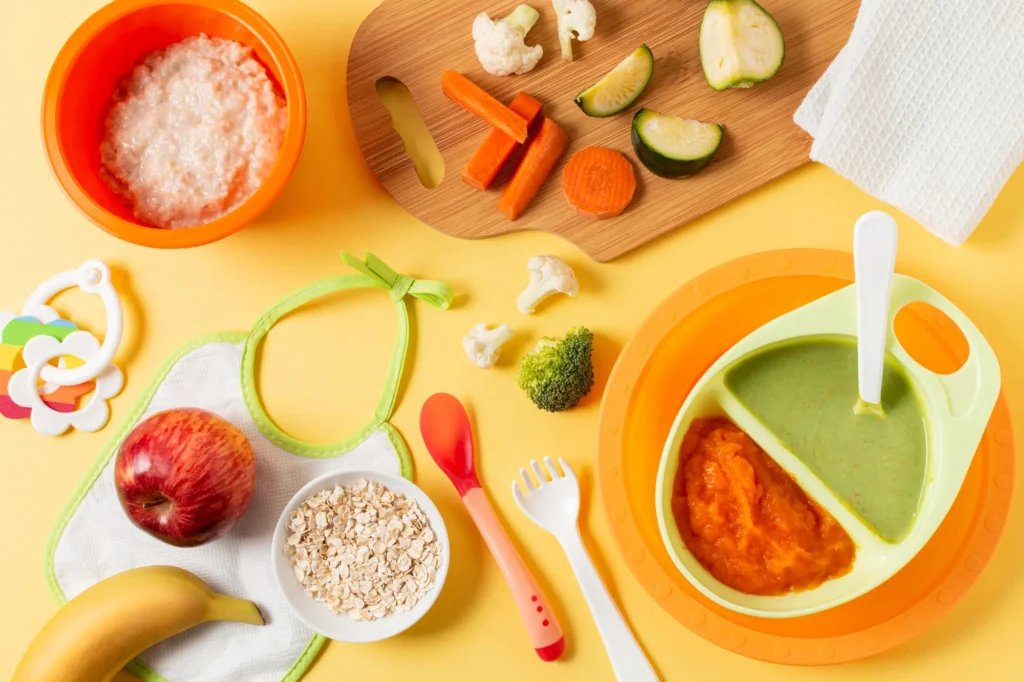
Homemade baby food in bowls with fresh fruits, vegetables, oats, and baby utensils on yellow background

Homemade Baby Food: Benefits, Recipes, & Store-Bought Comparison

Making homemade baby food feels like a comforting choice. You control the kitchen and select the ingredients. There is no need to read tiny labels. Parents simply steam, mash, and serve. As a result, many parents choose this path to find peace of mind. First, a congressional investigation detailing heavy metal levels in commercial infant products found worrying levels of lead, arsenic, and cadmium in major store-bought brands. Naturally, this news makes parents pause. It pushes many to start cooking at home. You might think that making baby food at home completely protects your child from these contaminants. In reality, the scientific data reveals a different story. Dismantling the Toxin-Free Fallacy: The Heavy Metal Paradox Many people believe that homemade baby food is naturally free from heavy metals. However, toxicological data shows this belief is wrong. A toxicological analysis of trace metals in early childhood diets tested 288 foods. The researchers also looked at over 7000 food tests from other studies. They found that 94 percent of store-bought baby foods contained heavy metals. Surprisingly, 94 percent of homemade purees and family-brand foods also contained these same metals. Ultimately, the threat does not depend on who prepares the food, but rather on the type of food you serve. Understanding Agricultural Absorption in Root Vegetables Heavy metals exist naturally in the earth, though past pesticide use and industrial waste have also left their mark in the soil. Because of this, crops inevitably absorb these metals during their growing phase. Root vegetables like sweet potatoes and carrots draw lead and cadmium directly from the dirt, while rice crops excel at extracting arsenic from flooded fields. It’s natural to assume that buying organic ingredients solves this problem, but unfortunately, it doesn’t. While organic standards strictly block synthetic pesticides, those farms still rely on the same metal-rich soil and water. The reality is that when you blend a fresh organic sweet potato at home, it carries the exact same metal load as a commercial jar. Dietary Rotation as the Primary Mitigation Strategy So, how do you actually protect your baby? The solution isn’t to completely avoid the kitchen or panic at the grocery store. Rather, the key is practicing strict dietary rotation, because serving the same food every day can concentrate specific toxins in your baby’s body. To start, you’ll want to steer clear of highly contaminated products like rice cakes, brown rice, and rice-based teething rusks. You can easily swap those out for foods naturally lower in heavy metals; bananas, apples, green beans, and peas are all excellent, low-risk choices. Thermal Degradation Kinetics: Why Fresh Preparation Matters Homemade food still holds a massive nutritional advantage. This advantage relates to heat. Factory processing requires extreme heat to keep food stable on store shelves for months or years. This intense heating destroys water-soluble vitamins. The Impact of Industrial Pasteurization on Water-Soluble Vitamins Factories pasteurize baby food at high temperatures. A study on the thermal degradation of water-soluble vitamins during industrial heat treatments analyzed this loss. The researchers measured vitamin levels using high-performance liquid chromatography, and they found that pasteurizing a baby porridge product at 85 degrees Celsius for 15 seconds destroyed 94 percent of its vitamin B12. This is a massive nutrient loss. However, when you steam vegetables briefly at home, you avoid this extreme damage. This ensures your baby receives much higher levels of active B vitamins. Arresting Ascorbic Acid Loss Through Immediate Consumption Vitamin C also degrades quickly during storage. The kinetics of ascorbic acid degradation during post-packaging storage follow a first-order chemical model. This mathematical equation shows this loss: C(t) = C0 .e-kt In this formula, C(t) is the vitamin concentration over time, while C0 is the starting concentration. The variable t represents the storage duration, and k is the reaction rate constant. When baby food sits in a warehouse for months, the variable t grows, which causes the vitamin C level to drop significantly. By contrast, preparing purees at home and serving them immediately keeps t at zero. This simple step preserves the active vitamin C for your baby. Let’s present a comparative analysis of these two preparation paths. Nutritional and Chemical Parameter Commercial Manufacturing Profile Domestic Preparation Profile Clinical Evidence Source Trace Metal Contamination Rate 94 percent of tested samples contained heavy metals 94 percent of tested samples contained heavy metals Healthy Babies Bright Futures Study Primary Contamination Vector Soil and water absorption during crop growth Soil and water absorption during crop growth Heavy metals in baby food Cobalamin (Vitamin B12) Loss Decreases by 94 percent during pasteurization High retention during brief home steaming Industrial Heat Treatment Study Ascorbic Acid (Vitamin C) Loss Follows a kinetic decay model during long storage High retention when served immediately Vitamin C Kinetics Study Chemical Leaching Risk High risk from plastic packaging and pouches Low risk when using glass containers Food Packaging Research In addition, to plan your meals safely, you can use this risk-level table for common foods. Contamination Risk Category Specific Food Items from Testing Recommended Action Severe Risk Level Rice cakes, brown rice, rice puffs, teething rusks Avoid these items completely Moderate Risk Level Sweet potatoes, carrots, teething crackers, oat cereal Rotate these foods and peel them thoroughly Low Risk Level Bananas, apples, green beans, peas, butternut squash Serve these foods freely as dietary bases Navigating Storage Safety and Chemical Migration Making homemade baby food at home means you must store it safely. While, store-bought products use plastic pouches or jars, these materials carry hidden risks. Preventing Endocrine Disruption from Polycarbonate Containers A study on clinical pediatric findings on bisphenol A leaching from polycarbonate containers warns parents about plastic storage. Bisphenol A (BPA) can migrate from hard plastic into baby food. This chemical acts as an endocrine disruptor. Even plastics labeled as BPA-free can leach other dangerous compounds. Studies on plastic baby food pouches found non-intentionally added substances migrating into the food. To keep your homemade baby food safe, use tempered glass containers or food-grade silicone trays. These inert materials prevent

Homemade Baby Food: Benefits, Recipes, & Store-Bought Comparison Read More »

Organic baby food oatmeal with purees and feeding toys for 6 to 9-month-old infants

Baby Food Recipes for 6–9 Months: Simple, Organic, and Homemade

Watching your baby grow brings so many wonderful moments. One of the biggest steps in that first year is the move from a strictly liquid diet to solid foods. This change brings new flavors, new textures, and a lot of fun to your kitchen table. But knowing exactly when to start and which baby food recipes to prepare can feel very overwhelming for many parents. You might wonder what is safe, what is healthy, and what your baby will actually enjoy eating. The rules for infant feeding rely on solid medical science. You need to pay close attention to specific developmental signs, changing nutritional needs, and the overall safety of your ingredients. Choosing clean, organic options right from the beginning helps protect a growing body from harsh agricultural chemicals. This guide explains the exact steps you need to take, the physical signs to watch for, and the best simple recipes to prepare at home. Knowing When Your Baby is Ready for Solid Food Current medical guidelines offer clear timing for starting solid foods. The Centers for Disease Control and Prevention’s infant nutrition guidelines state that infants should begin eating foods other than breast milk or formula at around six months of age. Giving a baby solid food before four months carries health risks. Their digestive system cannot handle complex foods yet. Clinical research evaluating infant feeding timelines and weight gain risks shows that early introduction increases the chance of childhood obesity. Waiting until the six-month mark protects their long-term health. Every infant develops at a different pace. Look for these clear physical signs before offering purees: Always double-check with your pediatrician before changing your baby’s diet. Why Choosing Organic Ingredients Matters So Much A baby has a rapidly developing biological system. They are highly sensitive to chemicals in their environment. Conventional farming uses synthetic sprays to control bugs and weeds. These chemicals leave small traces on grocery store produce. A major clinical analysis assessing infant vulnerability to agricultural chemicals tested hundreds of baby food samples. The researchers found frequent pesticide traces, making monitoring necessary to protect infant health. Glyphosate is a common weed killer found in standard grain products. Changing your diet makes a fast, measurable difference. Another published study demonstrated how quickly adopting an organic diet lowers systemic glyphosate exposure in both children and adults. In some cases, levels dropped by over 70 percent in less than a week. Choosing organic produce keeps these chemicals out of your kitchen. For high-risk items like apples and spinach, consult the Environmental Working Group’s guide to heavily sprayed produce. For fruits with thick skins like avocados, prioritizing crops with naturally lower pesticide residue offers safe, budget-friendly options. To further avoid harmful additives and maximize nutrition, you can explore the health advantages of preparing infant meals from scratch. Safe Food Preparation and Hygiene You do not need expensive equipment to prepare these healthy baby food recipes. A basic blender or food processor works perfectly. You only need silicone ice cube trays for easy portion control and small glass jars for storage. Safety comes first. Wash your hands and the baby’s hands before mealtime. Keep all cutting boards clean. Guidelines for safe solid food administration during emergencies remind parents to prepare foods that dissolve easily with saliva to prevent choking. Avoid these dangerous foods during the first year: Simple Organic Purees: Stage 1 Baby Food Recipes There is no strict rule about which food must come first. By the time your infant reaches seven or eight months, they can consume a wide variety of items from multiple food groups. Your child can eat vegetables, fruits, meats, beans, and pasteurized yogurts without added sugars. Texture matters just as much as the ingredients you pick. The very first meals should be completely smooth. As the infant gets used to swallowing, the texture can slowly become thicker. These first recipes are foolproof starters. They are simple, clean, and gentle on sensitive stomachs. For more ideas on creating these smooth early meals, review our beginner puree recipes and early feeding tips. Organic Sweet Potato Puree Babies usually love sweet potatoes. They are creamy, naturally sweet, and filled with valuable vitamin A for healthy eye development. Organic Apple Puree Organic apples are gentle and sweet. They make a perfect starter food for little bellies. Avocado and Banana Puree Do you need a fast recipe that requires absolutely zero cooking? This is the perfect option for those mornings when you did not get enough sleep. Moving to Combinations: Stage 2 Organic Baby Food Recipes (7 to 9 Months) When your baby gets a bit older and has tried several single foods without any allergic reactions, you can make things more interesting. Combining flavors helps develop their taste buds. Organic Carrot and Apple Blend Sweet carrots and apples make a perfect pairing for little mouths. Spinach, Pea, and Pear Puree This bright green puree packs iron and great flavor into one single spoonful. Butternut Squash and Quinoa Puree Quinoa adds a great source of plant-based protein. This is perfect as your baby grows bigger and hungrier. Making Baby Food Prep Easier and Faster Batch-cooking homemade baby food recipes might feel like a huge chore at first. But it quickly becomes a normal part of your routine. You do not need to aim for absolute perfection. The goal is simply choosing cleaner, better ingredients whenever you possibly can. Batch cooking will save your schedule. Pick one day a week to make bigger batches of two or three different purees. Freeze the cubes and store them in labeled glass jars. When mealtime rolls around, you can just pop a cube into the fridge overnight to thaw. You can also quickly warm a frozen cube by placing it in a glass bowl set inside a larger bowl of hot water. Combine easy foods you always have in the kitchen. Mixing sweet potatoes and peas creates a quick, nutritious, and stress-free meal. Creating a Positive Mealtime Environment Feeding a baby is a big learning

Baby Food Recipes for 6–9 Months: Simple, Organic, and Homemade Read More »

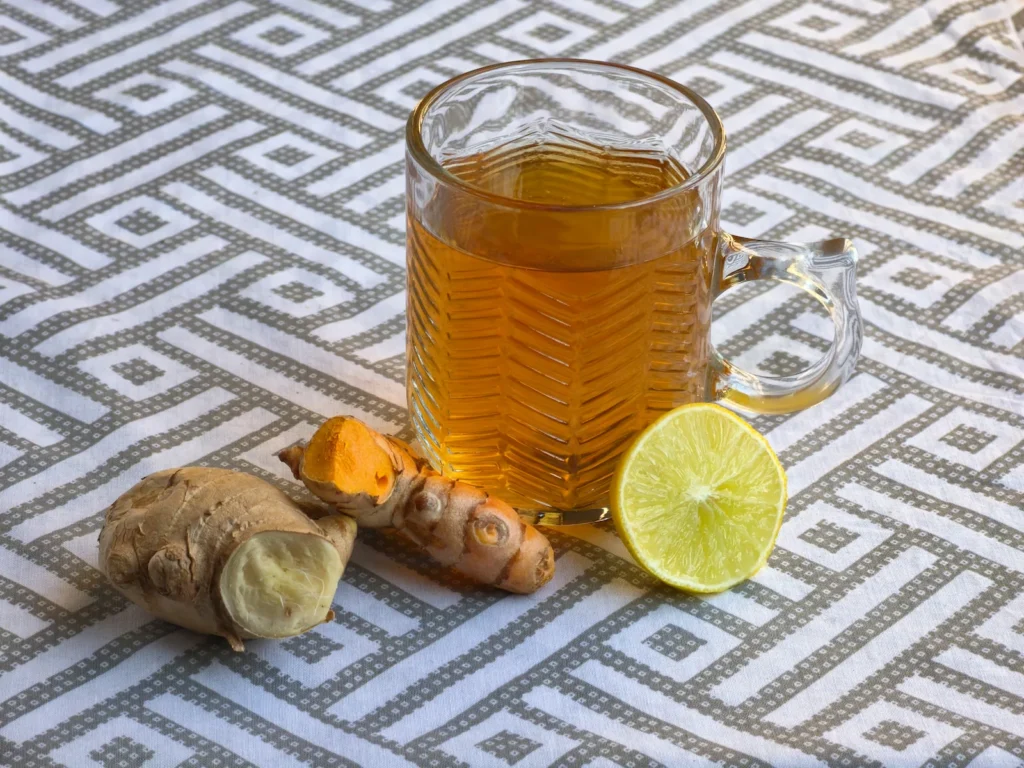
A glass mug of warm organic turmeric ginger tea resting on a geometric patterned tablecloth, surrounded by fresh ginger, sliced turmeric root, and a lemon wheel.

Organic Turmeric Ginger Tea Recipe – Anti-Inflammatory & Immune-Boosting

You might think you know turmeric tea, but this specific Organic Turmeric Ginger Tea recipe is different. Perhaps you have seen the golden latte photos or read the headlines about inflammation. But there is a massive difference between drinking yellow water and consuming a functional therapeutic beverage. Most turmeric tea recipes fail for one simple reason: they ignore the chemistry. Turmeric contains a powerful compound called curcumin. While curcumin fights inflammation and supports your immune system, your body struggles to absorb it. In fact, if you simply boil turmeric powder in water, you absorb almost none of the benefits. This drink is a cornerstone of an effective anti-inflammatory diet to reduce pain and boost vitality. This guide changes how you brew. Instead of just giving you a recipe, we give you the science to make it work. We show you how to unlock the full potential of these roots using specific techniques like lipid activation and piperine enhancement. Why Our Organic Turmeric Ginger Tea Is Different We spent weeks testing different ratios of fresh root versus dried powder. We also tested boiling times and looked at oil saturation. The result is an organic turmeric ginger tea that hits your palate with a warm, peppery kick and leaves you feeling grounded. This is not a quick caffeine fix. Rather, it is a ritual. It is a daily commitment to your liver, your joints, and your gut health. The Science of Absorption (The “Golden” Key) To understand this recipe, you need to understand the problem with curcumin. It is “lipophilic,” which means it loves fat but hates water. Unfortunately, when you eat turmeric plain, your liver filters it out instantly. Clinical data on curcumin bioavailability and rapid hepatic metabolism shows that this ‘first-pass’ process extensively metabolizes the compound in the liver and intestine before it ever reaches meaningful levels in the bloodstream or distant tissues like the joints. We solve this problem with two specific ingredients. 1. Black Pepper (The Activator) You must use black pepper. This is non-negotiable. Black pepper contains piperine. Piperine stops your liver from breaking down the curcumin too quickly. Specifically, a landmark clinical study on curcumin bioavailability found that combining 20 mg of piperine with 2 g of curcumin increased absorption by 2000% in humans.    Think about that number: piperine can increase curcumin bioavailability by up to 2000%. Without it, very little curcumin reaches your bloodstream. With it, you get dramatically better absorption and utilization. We use freshly cracked black pepper in this recipe because pre-ground pepper loses its potent oils and piperine content over time. 2. Healthy Fats (The Carrier) Because curcumin is fat-soluble, you need a fat source to carry it into your bloodstream. We use organic coconut oil or ghee. The fat surrounds the curcumin particles. Then, it creates a protective vehicle that travels through your lymphatic system. This bypasses the liver’s initial filtration. Sourcing Your Roots: Quality Matters At My Pure Organics, we believe the soil defines the food. You cannot make a healing tea from toxic ingredients. The Risk of Conventional Turmeric Conventional turmeric often comes from industrial farms that use heavy pesticides. Worse, some low-quality turmeric powders are dyed with lead chromate to make them look brighter. Lead is a neurotoxin.    So you must choose Certified Organic turmeric. This ensures you are drinking pure roots, not industrial dyes. Know Your Variety: The Lakadong Difference If you can find it, look for Lakadong Turmeric. Most standard, store-bought turmeric contains a baseline curcuminoid content of approximately 3% by weight. In comparison, Lakadong turmeric is a special variety from India that clinical HPLC data confirms contains over 12.5% curcumin by weight—making it yield roughly four times the anti-inflammatory compounds of standard commercial varieties. You will know it when you see it. The flesh has a vibrant, deep golden-orange hue. The aroma is floral and intense. It lacks the chalky, bitter taste of cheap powder. Fresh vs. Powder Health Benefits of Organic Turmeric Ginger Tea We want to be clear about what this tea can do. These claims are based on specific scientific studies. 1. Joint Support and Pain Management Turmeric is famous for helping stiff joints. But how effective is it really? Researchers conducted a clinical study on knee osteoarthritis management. They compared turmeric extracts directly against ibuprofen. The study involved 367 patients.    The results were impressive. The patients who took the turmeric extract (1,500 mg/day) experienced pain relief similar to those who took ibuprofen. Significantly, the turmeric group had fewer stomach issues. Note: This tea supports joint health. It does not replace medication prescribed by your doctor. 2. Digestive Health and Nausea Ginger is the partner to turmeric in this blend. It is a powerhouse for digestion. The bioactive compounds in ginger , specifically gingerols and shogaols, help empty the stomach faster. This relieves bloating and heaviness after meals.    Recent gastrointestinal trials and reviews evaluating ginger root for antiemetic relief indicate that its active compounds, like gingerol, help reduce nausea markers without causing drowsiness. This includes morning sickness during pregnancy. 3. Liver Detoxification Our liver works hard to filter toxins. Clinical ultrasound studies show that a low 20 mg dose of curcumin stimulates gallbladder contraction, reducing the organ’s volume by nearly 30% within two hours. This promotes the release of bile into the digestive tract to help break down fats. If you are focusing on organ health, this tea pairs perfectly with specific foods to reverse fatty liver by stimulating these natural detox pathways.    Safety First: Who Should Be Careful? Natural ingredients are powerful. They can interact with your body in strong ways. Please read this section carefully. Kidney Stones Turmeric is high in oxalates. Oxalates can bind with calcium to form kidney stones. If you have a history of kidney stones, you should limit your intake. Drinking this tea with a meal that contains calcium can help. This is because the calcium binds to the oxalates in your gut before they reach your kidneys.    Blood Thinners Ginger contains compounds that may affect platelet aggregation. According to a systematic literature review on ginger and platelet aggregation, human clinical evidence is mixed — some studies show a mild inhibitory effect while others show no significant impact. If yes, talk to your doctor before drinking this tea daily. The combination can

Organic Turmeric Ginger Tea Recipe – Anti-Inflammatory & Immune-Boosting Read More »

Overhead view of a fresh avocado and quinoa salad bowl packed with cherry tomatoes, cucumber, and mixed greens, placed next to a recipe notebook.

Avocado & Quinoa Salad Recipe – Healthy, Protein-Packed & Easy

Do you ever eat a fresh salad and feel completely hungry just an hour later? Creating the perfect Avocado & Quinoa Salad solves this problem. Finding a meal that satisfies your appetite while delivering complete cellular nutrition often feels like a puzzle. Most traditional salads lack the proper balance of complete proteins, complex carbohydrates, and healthy fats. To solve this problem, dietary science points to a very specific combination of ingredients. You can combine the amino acid profile of organic quinoa with the lipid structure of fresh avocados. As a result, you create a meal that acts as a nutritional powerhouse. This high-protein avocado & quinoa salad recipe goes far beyond basic taste. It relies on the biological synergy between specific plant compounds to boost your heart health, stabilize your blood sugar, and increase the way your body absorbs vitamins. This guide breaks down the exact science behind these powerful ingredients. Next, it provides a simple, clean recipe to elevate your weekly meal plan. The Science Behind Your Avocado & Quinoa Salad: Complete Plant Protein Many grains provide basic energy but very few provide the complete building blocks required for human muscle and tissue repair. Quinoa stands apart in the botanical world. This pseudocereal is native to the Andean regions of South America. It has sustained populations for thousands of years. Today, clinical researchers classify it as a highly functional food. The Essential Amino Acid Profile Proteins consist of amino acids. The human body requires nine specific amino acids from food because it cannot produce them internally. Most plant-based foods lack one or more of these essential amino acids. This makes them incomplete proteins. In contrast, quinoa breaks this rule entirely. It contains all nine essential amino acids. Specifically, it is rich in lysine and leucine. Lysine plays a critical role in tissue repair and immune function. Meanwhile, leucine acts as a primary trigger for muscle protein synthesis. Comprehensive macronutrient profiling by the USDA confirms that a single cup of cooked quinoa delivers over 8.14 grams of high-quality protein. Amino Acid Concentration per 100g Cooked Quinoa Primary Biological Function Leucine 0.261g Stimulates muscle protein synthesis and repair. Lysine 0.239g Supports calcium absorption and collagen formation. Valine 0.185g Promotes muscle growth and tissue regeneration. Methionine 0.096g Aids in detoxification and acts as a potent antioxidant. Amino acid profile sourced directly from the USDA FoodData Central database. Quinoa vs. White Rice: A Nutritional Comparison When building a salad base, many people reach for white or brown rice. Swapping rice for quinoa drastically improves the nutritional density of your meal. A peer-reviewed clinical analysis of quinoa’s macronutrient profile confirms that its nutritional value far surpasses that of refined white rice. For instance, one cup of cooked quinoa contains 222 calories and 39.4 grams of carbohydrates. One cup of white rice contains 242 calories and 53.2 grams of carbohydrates. The most striking difference appears in the fiber content. Quinoa provides 5.18 grams of dietary fiber per cup, compared to a mere 0.6 grams in white rice. Fiber slows down digestion. It prevents sudden spikes in your blood glucose levels. Also, dietary intervention studies confirm quinoa has a low glycemic index of 62 making it an excellent choice for your metabolic health. It improves insulin resistance and enhances lipid profiles better than traditional whole-grain diets. For readers looking to expand their knowledge on building muscle with plants, reviewing our complete guide on plant-based protein sources and their biological value offers excellent foundational advice for your daily diet. Avocados: The Heart of Your Avocado & Quinoa Salad While quinoa provides the structural protein, avocados deliver the energy-dense fats necessary for a thriving cardiovascular system. Many people fear dietary fat. But, medical science clearly distinguishes between harmful saturated fats and protective unsaturated fats. Monounsaturated Fats and Heart Health Avocados are extremely rich in monounsaturated fatty acids. These specific fats actively protect your heart. Clinical guidelines strongly advise replacing saturated fats with monounsaturated fats to keep your cholesterol in check and protect your overall cardiovascular health. Long-term clinical data supports this recommendation. An exhaustive 30-year longitudinal study tracking over 110,000 health professionals found that participants who consumed at least two servings of avocado each week experienced a 16% lower risk of cardiovascular disease. The same group showed a 21% lower risk of coronary heart disease. Swapping out butter, cheese, or processed meats for half a serving of avocado daily can lower your risk of cardiovascular disease events by up to 22%. Improving Overall Diet Quality Adding an avocado to your daily meal plan does more than just protect your heart. It changes your overarching dietary habits. For example, a recent 26-week clinical trial examined the effects of daily avocado consumption on 1,008 adults. The trial, detailed by researchers at Penn State University, revealed that daily avocado consumption improves overall diet quality by significantly increasing adherence to the Dietary Guidelines for Americans. The avocado group saw major improvements in their Healthy Eating Index scores. They consumed more total vegetables and improved their overall fatty acid ratio. As a bonus, the daily avocado habit also led to improved sleep health. For individuals managing their liver enzymes, adding healthy fats is absolutely crucial. Learn more by reading our breakdown of clinically proven foods to naturally reverse fatty liver. The Biochemical Synergy of an Avocado & Quinoa Salad What happens when you mix a complete plant protein with a dense source of monounsaturated fats? A biological synergy occurs. This combination unlocks nutrients that your body would otherwise struggle to absorb. Maximizing Nutrient Absorption Many vegetables contain fat-soluble vitamins (Vitamins A, D, E, and K) and powerful antioxidants called carotenoids. Your digestive tract cannot efficiently absorb these nutrients unless dietary fat is present during digestion. Quinoa and the surrounding salad vegetables contain high levels of these beneficial compounds. Quinoa is extremely rich in Vitamin E. When you eat these greens dry or with a fat-free dressing, a large percentage of the nutrients passes right through your body unabsorbed. Adding avocado changes your

Avocado & Quinoa Salad Recipe – Healthy, Protein-Packed & Easy Read More »

Scroll to Top