Feeding your baby brings up a lot of questions. You face many choices in the grocery aisle. Adding organic baby food to the mix creates another layer of decisions. What is real, and what is just marketing?
Here is a practical guide to cut through the noise. You deserve to feel good about what goes into that tiny spoon. We will look at exact data, cost breakdowns, and clear steps so you can make the best choices. You can also explore more practical, science-backed guides in our Organic Parenting hub.
What Is Organic Baby Food?
Organic tells you exactly what is in the jar. Farmers grow organic ingredients without synthetic pesticides. They skip chemical fertilizers and refuse to use genetically modified organisms (GMOs).
When you see the USDA Organic seal or verify the strict European Union organic farming standards, you know the entire process met high legal requirements. Both regions enforce tight rules. The food traveled from soil to shelf without sketchy shortcuts. Producers cannot use growth hormones or antibiotics.
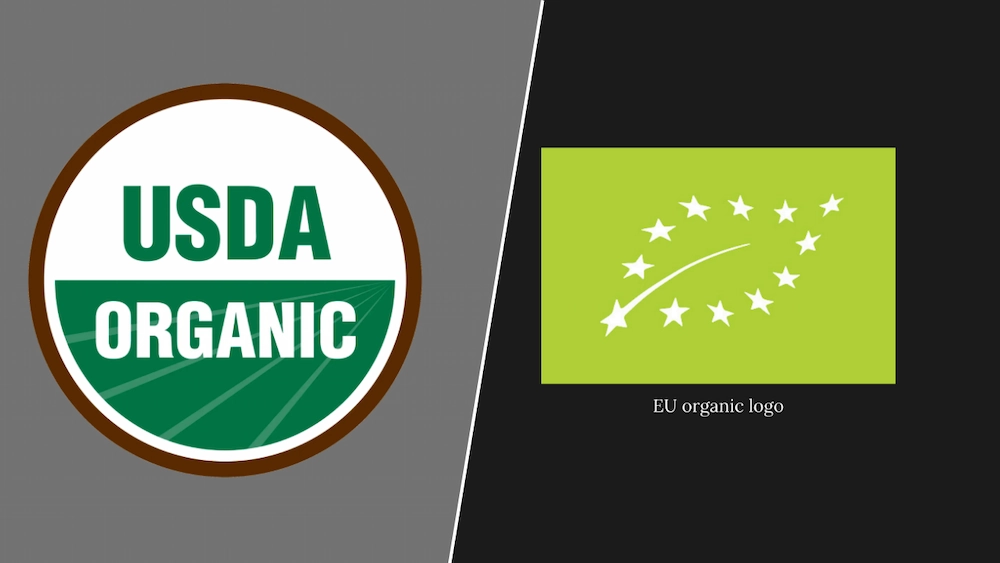
Do not get mixed up by clever marketing. “Natural” does not mean “Organic.” Companies use the word natural to mean almost anything, while organic requires strict, verified rules.
Why Does Organic Matter for Babies?
Babies eat a large amount of food for their body weight. Their tiny bodies are still growing, making them highly sensitive to chemicals.
Conventional produce often carries pesticide residues. Research shows that switching a child to an organic diet drops their urinary pesticide levels dramatically in just a few days. A baby processes these chemicals differently than an adult. This reduction helps protect their developing brains .
The American Academy of Pediatrics states that organic foods cut down exposure to these residues. Buying organic also lowers the risk of antibiotic-resistant bacteria. I track pediatric nutrition data closely, and research directly links pesticide exposure to long-term health issues.
Parents also worry about natural soil contaminants. The U.S. Food and Drug Administration actively monitors heavy metals like lead and arsenic in processed baby foods . Serving a variety of clean, organic produce helps you avoid concentrating these specific metals in your baby’s diet.
Do not expect organic food to automatically pack more vitamins. The nutrient levels often match conventional foods. Buying organic is really about cutting out extra chemicals.
Store-Bought vs. Homemade Organic Baby Food
| Feeding Method | Avg. Cost Per Ounce | Prep Time (Per Meal) | Nutritional Retention | Best For |
| Store-Bought Jars | $0.30 to $0.55 | 0 Minutes | Moderate (Heated for shelf life) | Travel and busy days |
| Store-Bought Pouches | $0.60 to $1.20 | 0 Minutes | Moderate | Quick snacks on the go |
| Homemade (Fresh) | $0.08 to $0.18 | 10 to 15 Minutes | Maximum | Daily meals at home |
| Homemade (Batch Frozen) | $0.07 to $0.13 | 2 Minutes (Reheating) | High (Locks in vitamins) | Budget-friendly routines |
Store-Bought Organic Baby Food
Just look for the USDA Organic seal or the European green leaf logo. Trusted American options include Earth’s Best, Happy Baby Organics, Once Upon a Farm, and Little Spoon. If you shop in Europe or look for imported options, choose top organic brands like HiPP Organic and Ella’s Kitchen. These companies follow the exact same high standards to keep chemicals out of your baby’s food.
Keep your choices simple. If the front label says “organic carrots,” the back label should just list carrots and water.
Homemade Organic Baby Food
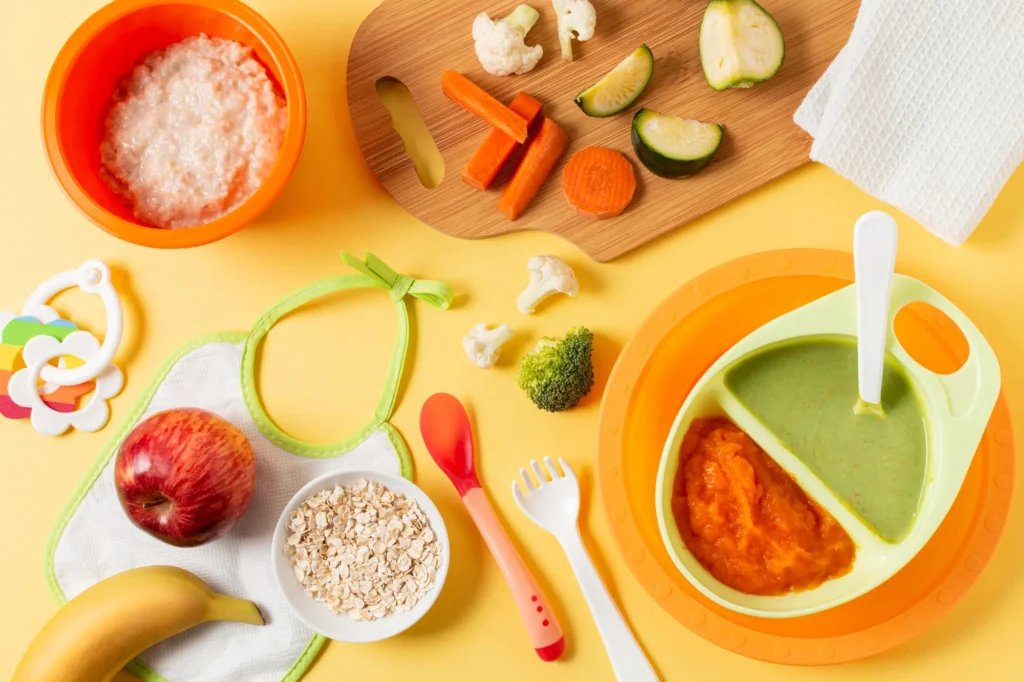
Making baby food at home means you control exactly what goes into every bite. You pick the fresh produce and leave out the weird extras.
You can easily steam, bake, or roast soft fruits and vegetables. Next, blend them with a little breast milk, formula, or water.
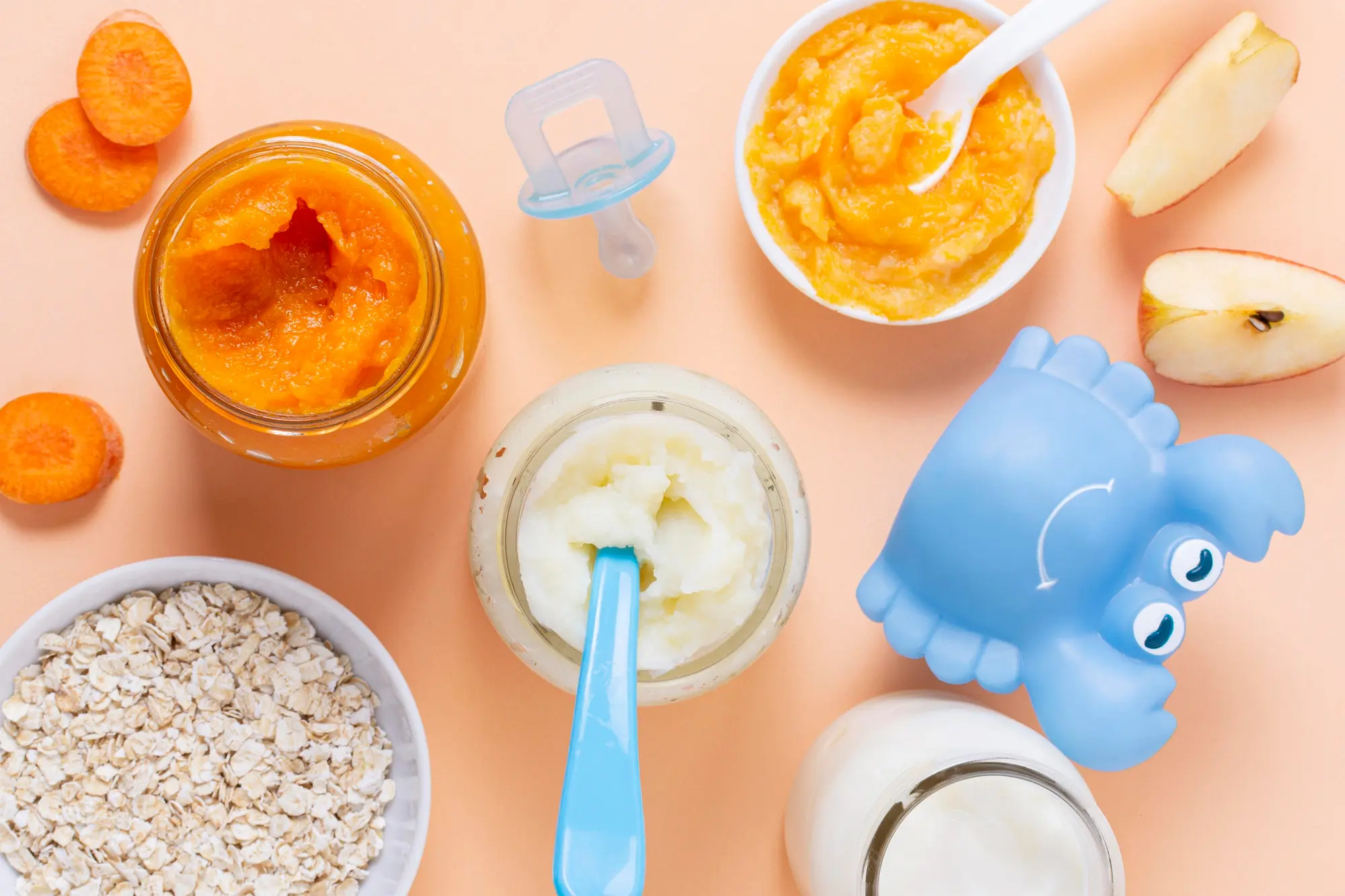
Freeze the puree in silicone ice cube trays. One cube equals one small meal. You can easily pop a cube out, warm it up, and serve it. You just need a blender and a few clean containers.
Try blending apples with carrots or peas with pears as your baby grows.
How to Save Money on Organic Baby Food
Buying organic food does not have to break your grocery budget.
- Buy Frozen: I calculated the math on this. Frozen organic vegetables often cost 30% less than fresh produce. A UC Davis study on frozen vegetables nutrient retention proves that flash-freezing locks in water-soluble vitamins like Vitamin C right at harvest. Spinach, peas, and blueberries blend perfectly for purees.
- Shop Farmers Markets: Many small farms grow clean produce without the expensive USDA label. You just need to ask the farmer about their pesticide use to find great prices.
- Choose Store Brands: Costco, Trader Joe’s, and Aldi offer their own organic lines. They price these items much lower than name brands while following the exact same organic standards.
- Start Batch Cooking: Roast a large tray of sweet potatoes on a Sunday. Mash the food and freeze it in small portions. You get weeks of ready meals for pennies a serving.
You can find step-by-step instructions on preparing and safely storing your own purees at home to keep your grocery bills low.
When Should You Start Organic Baby Food?
Most babies are ready for solid food between 4 and 6 months. Every child follows their own timeline.
Look for these signs that they are ready:
- They sit up with support. This posture keeps mealtime safer.
- They show good head and neck control. Babies need this physical strength to swallow safely.
- They show interest in your food. They might reach for your plate.
Always run this by your pediatrician first. When you start feeding them solids, go very slowly. The Centers for Disease Control and Prevention recommends introducing one new food at a time. Wait three to five days before trying another new flavor to monitor for allergic reactions.
If your baby shows these signs, you can start offering simple, single-ingredient vegetable and fruit mashes to introduce new flavors safely. As they develop better swallowing skills, you can graduate to slightly thicker textures and nutrient-dense meal combinations.
How to Read Baby Food Labels
Brands use the front of the package for bright marketing, but you will also spot official organic seals right near the bottom edge or back of the pack. You must still flip the pouch over. The back label shows you the exact ingredient list without any distractions.
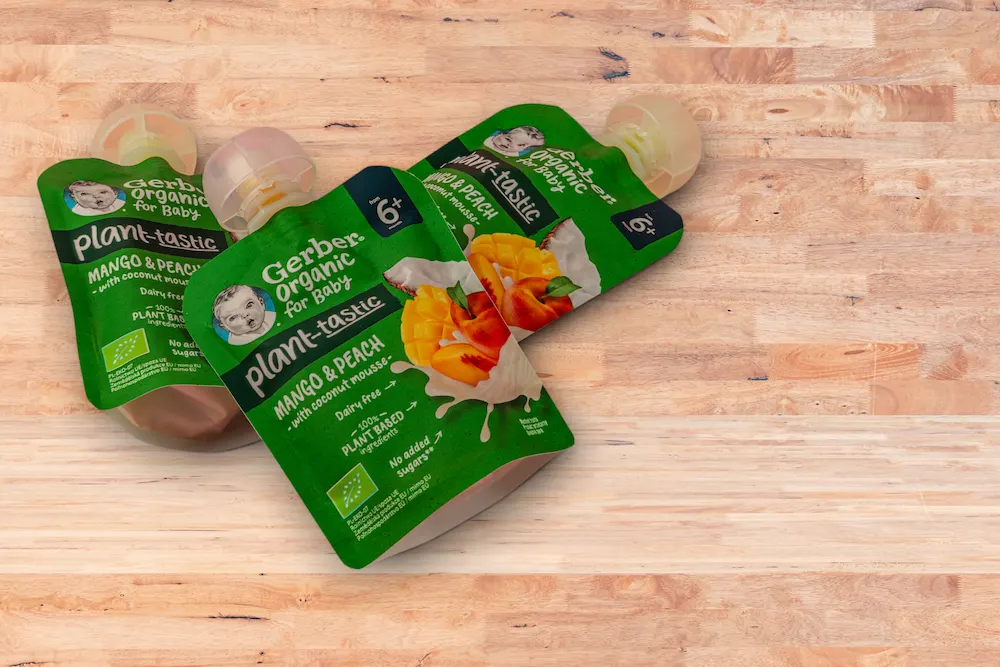
- USDA Organic Seal: The farm used no synthetic pesticides, no GMOs, and no growth hormones.
- EU Organic Logo: Look for the green leaf made of white stars if you shop outside the United States. European farmers follow extremely tight rules. They ban synthetic pesticides and GMOs just like the USDA does. You can trust this green leaf just as much as the American seal.
- Non-GMO Verified: The farmers did not genetically modify the ingredients.
- No Added Sugars or Salt: Babies do not need these extras. Check the label for hidden sugars disguised under chemical names.
- Simple Ingredients: “Organic peas” should just be peas and water. Avoid fillers.
Long ingredient lists usually mean heavy processing. Clean food is always best.
What Foods Should You Always Buy Organic?
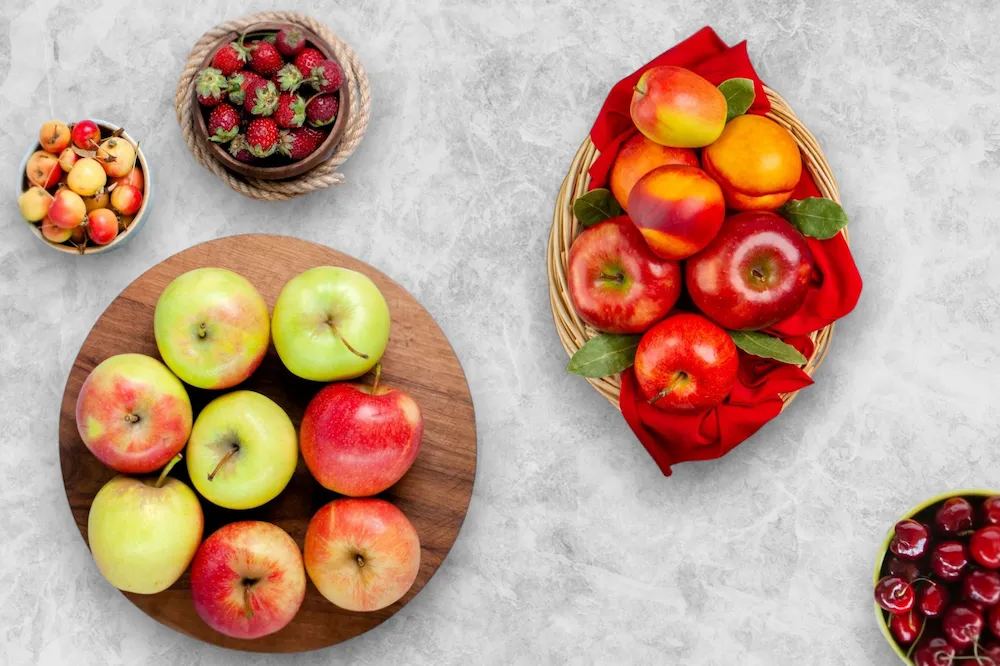
Some produce soaks up chemicals much faster than others. Buy these specific foods organic:
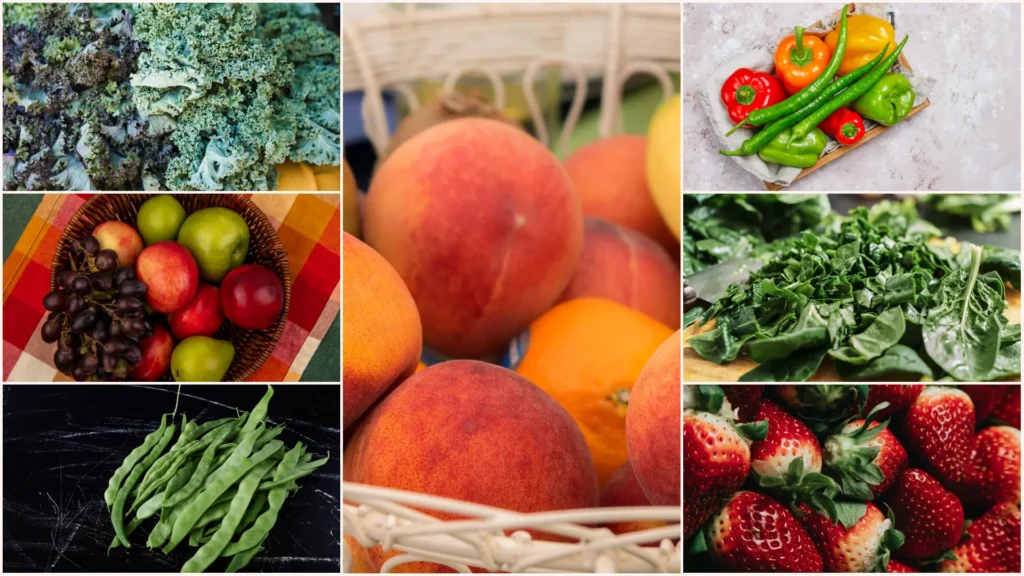
- Strawberries: Strawberries pack high levels of nutrients that naturally support cellular health and boost immune defense. But they have fragile skins. Recent testing found that 99% of conventional strawberries contain detectable pesticide residues.
- Spinach: The leaves act like a sponge for chemical sprays.
- Apples: Apple skins hold on to chemicals. If you plan to feed your baby the peel, buy organic.
- Peaches: Peaches have a thin skin and soak up heavy amounts of sprays.
- Cherries: Farmers often treat these small fruits with a heavy mix of chemicals.
Real Parent Questions (and Quick Answers)
What if I cannot afford to buy all organic food?
Look at the EWG Dirty Dozen list to see the worst offenders for pesticide residue. If buying fresh organic produce stretches your budget, hit the frozen aisle. You get the exact same nutrients for fewer dollars.
Can I really make baby food at home?
Yes, you definitely can. Steam a batch of fresh vegetables, blend them, and freeze the food in ice cube trays. You just need a standard blender.
How do I know what food my baby actually likes?
You try giving them a food. Then you try it again. Sometimes you have to offer a new food 10 times before they stop making a funny face. Just keep trying and stay patient.
Final Thoughts
You do not have to buy 100% organic food to make smart parenting choices. Focus on the foods that matter most, read labels closely, and do what you can with your budget. Feeding your baby organic food is about making better choices whenever you have the chance.