Ever heard someone say, “That’s one of the Dirty Dozen foods — skip it unless it’s organic”? If not, you’re about to unlock a simple tool that helps you make smarter choices every time you walk through the produce aisle.
Whether you’re a new parent, a health nut, or just trying to shop clean without overspending, understanding what “Dirty Dozen foods” really are might be the easiest food swap you make this year.
Let’s break it all down.
What Exactly Are Dirty Dozen Foods?
The Dirty Dozen is a yearly list put together by the “Environmental Working Group (EWG)”. It’s made up of twelve fruits and vegetables that — even after washing — show the highest levels of pesticide residue.
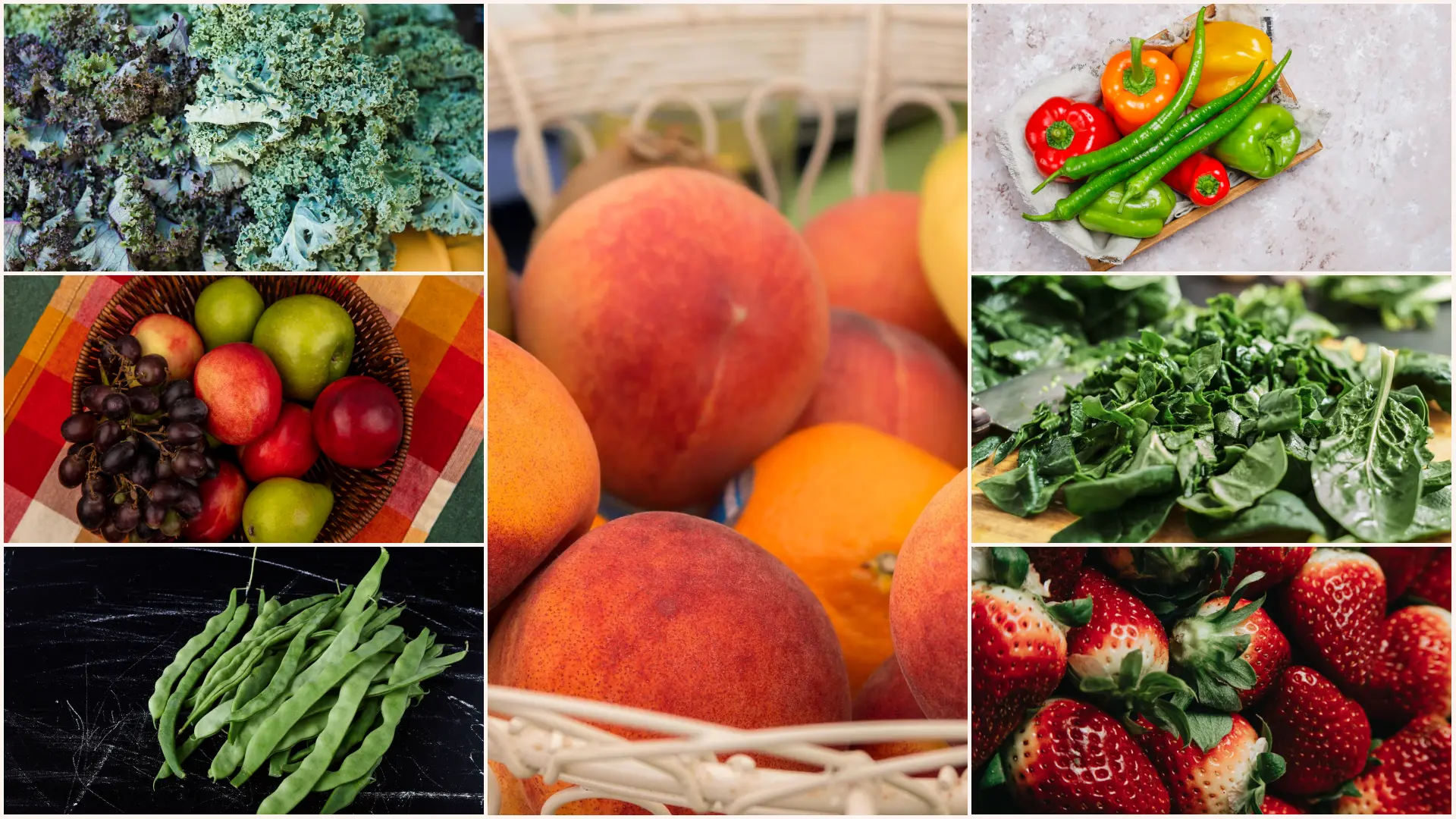
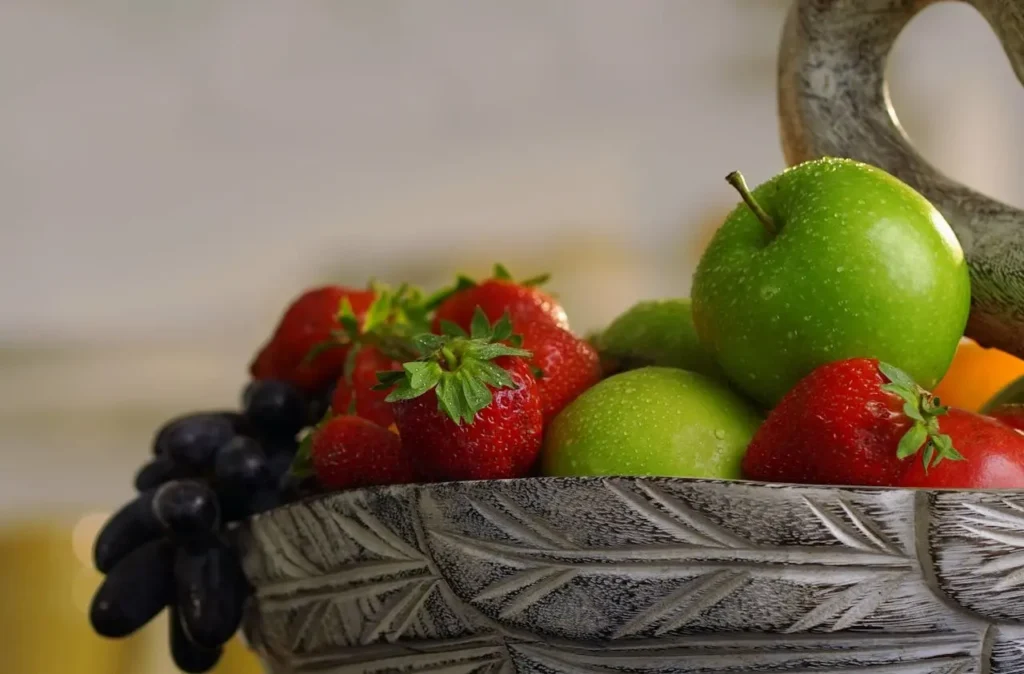
These aren’t obscure, hard-to-find items either. We’re talking about everyday staples: apples, strawberries, grapes, spinach. Stuff you or your kids probably eat often.
The list is based on annual data from the USDA Pesticide Data Program, which tests thousands of conventional produce samples.
By reviewing the 2026 EWG Dirty Dozen pesticide residue report, shoppers can easily identify which fruits and vegetables are best purchased organic.
Why Do Dirty Dozen Foods Matter?
The concern isn’t just about a single bite of non-organic produce. It’s about consistent, repeated exposure over time.
Extensive clinical reviews analyzing chronic pesticide exposure confirm that prolonged contact with these agricultural chemicals is linked to endocrine disruption, reproductive issues, and neurological effects—especially in developing children or pregnant women.
And while government agencies set “safe limits,” the compounded effect of mixing multiple chemicals over time continues to raise significant concerns in the scientific and pediatric communities.
How Pesticide Exposure Builds Over Time
Short-term exposure may not feel noticeable — but it’s the long game that matters.
Many agricultural chemicals are known to accumulate slowly in the body’s tissues over time. When you consume small amounts consistently, those trace residues can add up, particularly for individuals who eat a high volume of fresh produce or serve it to their children daily.
That’s where choosing cleaner options for the highest-risk foods (like the Dirty Dozen) can help shift the long-term balance in your favor.
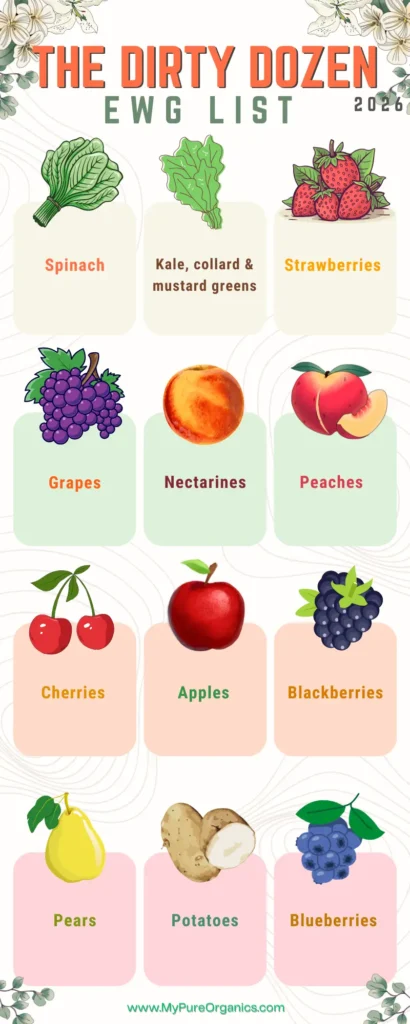
The Latest Dirty Dozen Foods (2026 Edition)
Here’s the current list of most pesticide-laden produce — according to USDA testing:
- Spinach
- Kale, collard & mustard greens
- Strawberries
- Grapes
- Nectarines
- Peaches
- Cherries
- Apples
- Blackberries
- Pears
- Potatoes
- Blueberries
You don’t have to memorize it — just know these are the ones worth buying organic when you can.
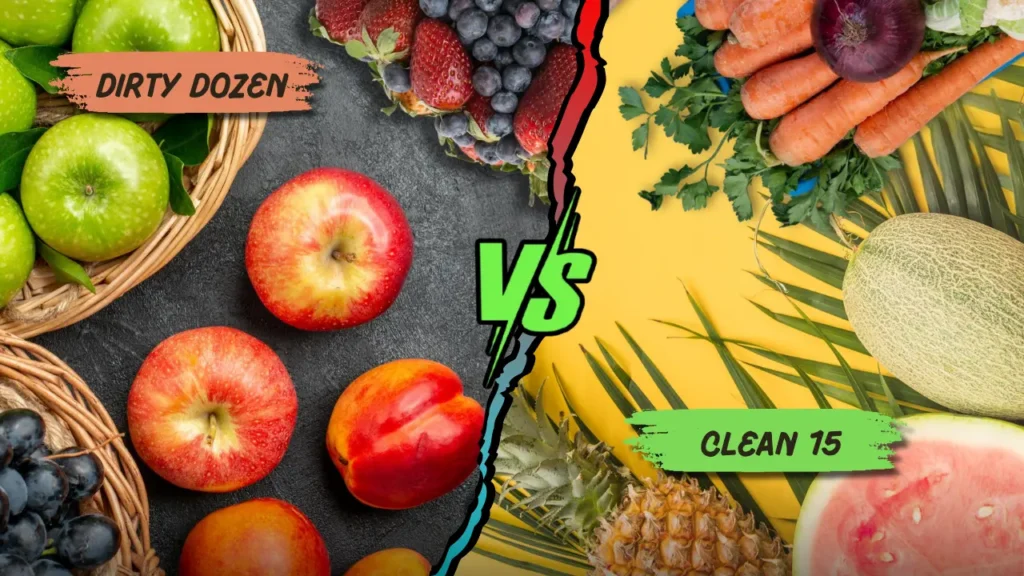
Dirty Dozen vs Clean 15: What’s the Difference?
Right next to the Dirty Dozen is the “Clean 15” — a list of fruits and veggies that test low for pesticide residue, even when grown conventionally.
Some examples from the most recent 2026 Clean 15 list include:
- Avocados
- Sweet corn
- Pineapple
- Onions
- Sweet Peas (frozen)
- Cabbage
- Mushrooms
If your grocery budget does not allow for a fully organic diet, you can safely prioritize conventional items by consulting the complete EWG Clean 15 produce guide.
Who Should Be Most Concerned About Dirty Dozen Foods?
The truth? Everyone eats these foods. But pregnant women, babies and young children are most vulnerable.
Their bodies are still developing, and pediatric environmental health guidelines indicate that even small, chronic exposures can heavily impact hormone regulation and early cognitive development.
This is why pediatricians often recommend organic produce, especially during the first few years of life. It’s not about being perfect — it’s about protecting what matters most.
For parents navigating early solids, prioritizing safer produce is critical. You can learn more about minimizing chemical exposure in our comprehensive guide to starting organic baby food.
Are Dirty Dozen Foods Safe If You Wash Them?
You might be wondering — can’t I just rinse everything really well?
Sure, washing helps. Peeling does too. But here’s the thing: some pesticides don’t just sit on the surface. They are systemic, meaning they are absorbed directly into the flesh of the fruit or vegetable as it grows.
Peer-reviewed analyses, including a 2026 scoping review of 47 studies, show that washing or soaking often leaves significant systemic pesticide residues in thin-skinned produce — especially in delicate crops like strawberries and spinach.
Bottom line: Washing is a good habit. But when it comes to Dirty Dozen foods, choosing organic is the more reliable solution.
How to Shop Smart Around Dirty Dozen Foods
Let’s say you’re walking into the store right now — here’s how to make smart swaps:
- 🍓 Buying strawberries? Go organic. But for bananas? Conventional is probably fine.
- 🛒 Look for store-brand organic produce — cheaper but still regulated.
- 🧊 Frozen organics are often more affordable and just as nutritious.
- 🌽 Sub in Clean 15 options for common meals — like using corn or avocados more often.
Start with a few key swaps — not a full cart overhaul. It still counts.
Budget-Friendly Ways to Avoid the Dirty Dozen
Going organic doesn’t have to mean going broke. Here’s how to work around it:
- Shop seasonal. Apples in fall, berries in summer — prices drop naturally.
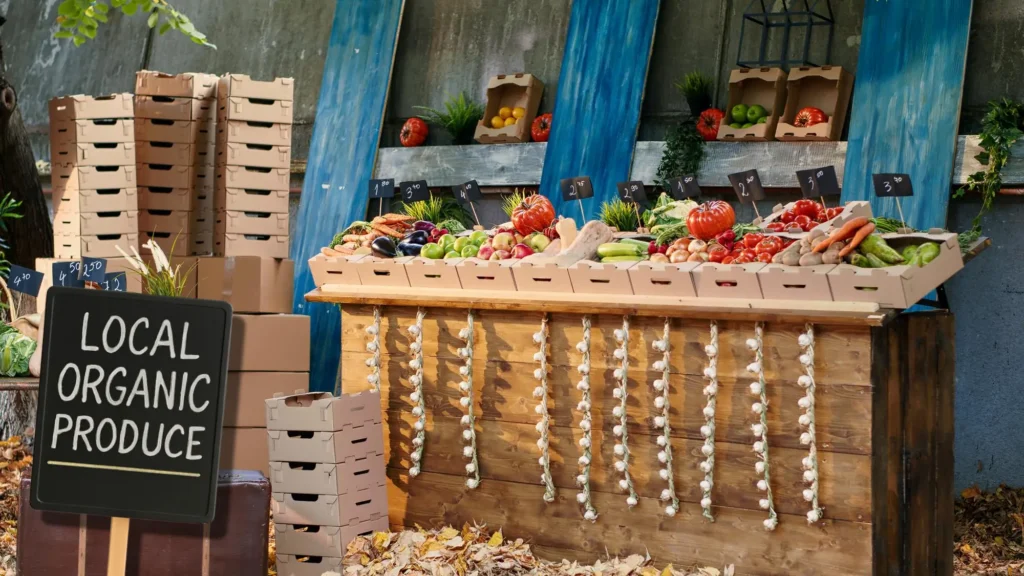
- Check local farmers markets. Many small farms use low-spray practices even if they’re not certified organic.
- Buy in bulk + freeze. Grab that 3 lb. bag of organic spinach, portion it out at home.
- Watch store flyers. Organic specials are way more common than they used to be.
Don’t Overlook Frozen Organic Produce
Frozen fruits and veggies are often harvested at peak freshness, then flash-frozen to lock in nutrients.
That means you’re getting high-quality nutrition — often for less — and with longer shelf life. Look for frozen organic strawberries, spinach, or blueberries to stretch your grocery dollars while skipping the pesticide load.
I use frozen spinach in soups, and frozen berries for quick purées or toddler smoothies.
One more tip? Keep a printed copy of the Dirty Dozen + Clean 15 list on your fridge. It’s a quick gut-check before every grocery run.
Dirty Dozen Foods and Babies: What Parents Should Know
Babies eat more food per pound than adults — and they’re still developing. That makes them more vulnerable to even trace chemicals.
Clinical research analyzing pesticide reduction from organic diets demonstrates that when children switch to organic versions of common foods, the synthetic pesticide biomarkers in their urine drop significantly, often within just a few days.
A Few Small Swaps That Helped Me Feed My Baby Cleaner
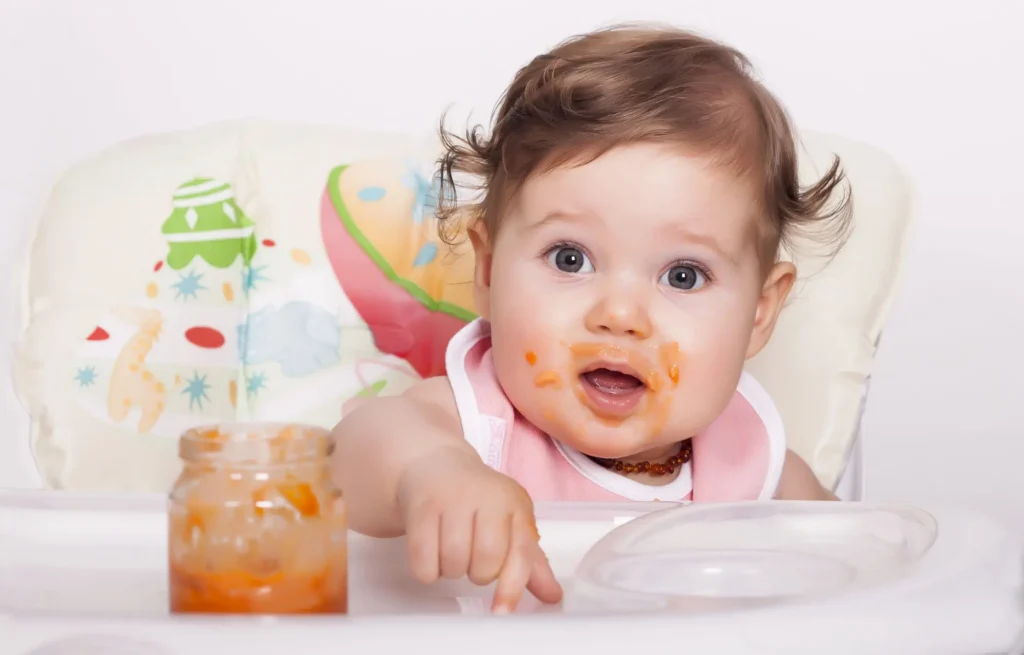
I didn’t toss everything in our pantry when I learned about pesticide risk. I just started with what my baby ate most.
First swap? Apple sauce. I switched to an organic one that was easy to find. Then came frozen peas and sweet potatoes — simple stuff I could steam and freeze in cubes.
Those little shifts didn’t feel hard, and knowing they skipped the highest-spray crops gave me more peace of mind at mealtime.
If you need practical, low-pesticide meal ideas for your infant, explore our collection of nutrient-dense baby food recipes for 6 to 9 months, which focus on clean, whole ingredients.
What If You Can’t Always Buy Organic?
Here’s the truth: “you don’t have to do this perfectly”.
No shame if your carrots are conventional this week. Or if you buy the non-organic apples because they were on sale. Life happens.
The 80/20 Rule That Helped Me Stay Sane
I used to stress about making every single thing organic — and honestly, it burned me out. Then a friend shared something that stuck: go 80/20.
Make the foods you eat often — like apples, greens, or berries — the cleanest. The rest? Do what you can, when you can. Canned beans? Conventional is fine. Garlic? I don’t lose sleep over it.
That small mindset shift made clean eating feel possible again — not perfect, just doable.
Instead, use these rules:
- Prioritize the Dirty Dozen when buying organic
- Buy Clean 15 foods conventionally to save
- Peel when possible
- Wash with vinegar or baking soda soaks to remove surface dirt and bacteria
- Keep doing your best — that’s more than enough
Eating cleaner is about progress — not pressure.
Final Thoughts: Cleaner Produce Starts With Smarter Swaps
You don’t have to overhaul your entire lifestyle to reduce pesticide exposure. Just start with the foods that matter most — the ones your family eats often and the ones that land on the Dirty Dozen list year after year.
Swap the apples. Try organic spinach. Freeze organic berries when they’re on sale.
And remember — every single choice you make adds up over time.