
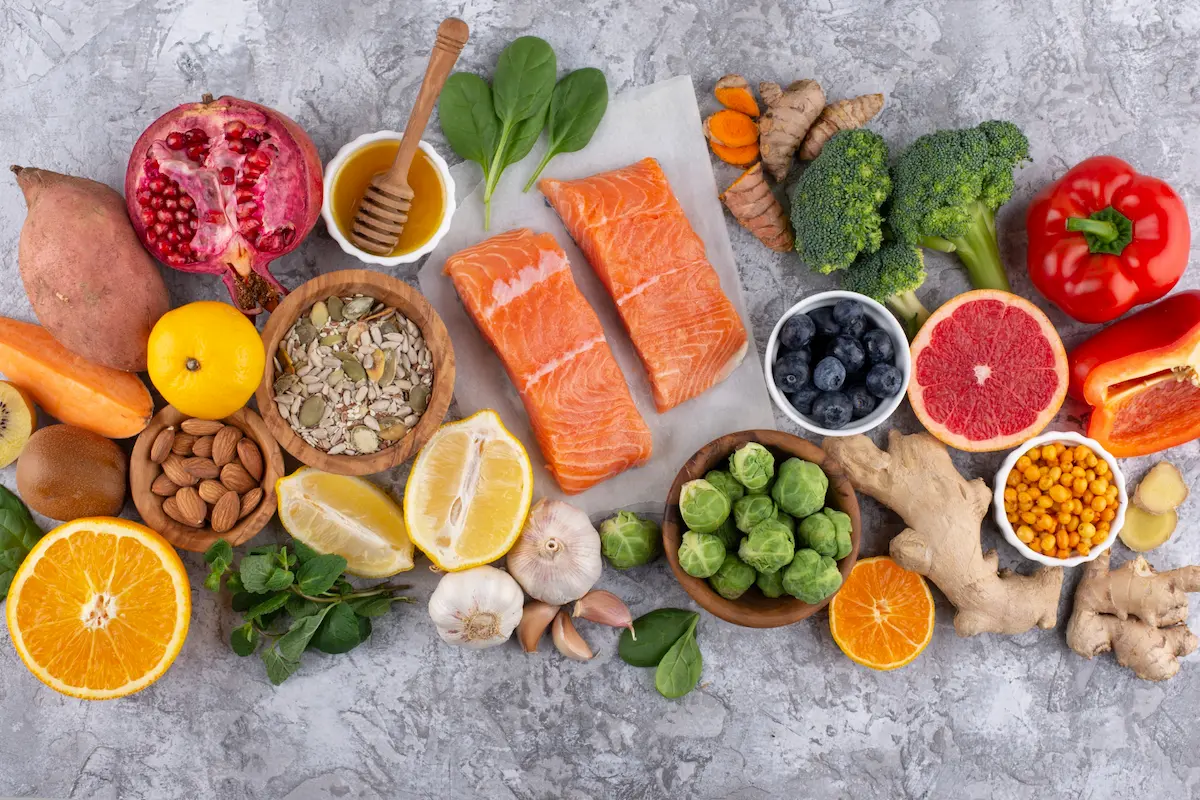
You wake up with stiff joints. Your energy crashes by noon. You try to get more sleep, but the deep fatigue simply will not lift. What is going on inside your body? The answer might point to chronic inflammation. This silent, slow-burning fire happens deep inside your cells. The good news is that starting an anti-inflammatory diet gives you the power to calm this fire using the food on your plate.
Acute vs. Chronic Inflammation
For example, acute swelling helps your body heal. When you get a paper cut, your finger turns red and puffs up. That redness proves your immune system is sending white blood cells to fix the damage. Once the cut heals, the swelling stops.
Chronic swelling, on the other hand, acts entirely differently. It never turns off. Because of this, your immune system stays on high alert for months or even years. This constant state of alarm damages healthy tissues, exhaust your liver, and strains your blood vessels. Fixing this problem requires a look at your daily habits. By choosing the right foods, you can shut off the alarm system and help your body heal naturally.
Understanding Chronic Inflammation and the Anti-Inflammatory Diet
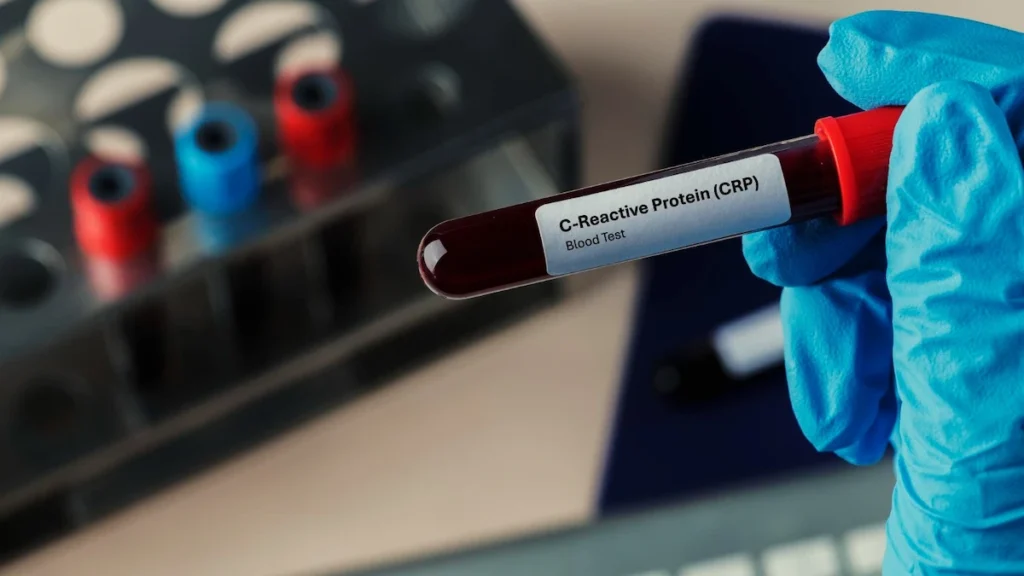
Doctors cannot simply look at you to know if you suffer from chronic swelling. Instead, they must look at your blood. When your body fights a hidden battle, your liver produces a specific marker called C-reactive protein. Medical professionals call this CRP.
A standard blood test measures the amount of this protein floating in your veins. As your cells experience stress, your liver pumps out more of this marker. By reading these numbers, you get a clear picture of your cellular health. To understand the diagnostic thresholds, you can review the clinical guidelines for C-reactive protein testing.
The Science of C-Reactive Protein
Understanding your lab results gives you power over your health. To catch these micro-levels of cellular stress, doctors rely on a specialized high-sensitivity CRP assay.
| Blood Test Result | What It Means For Your Body | Common Causes |
| Below 0.3 mg/dL | Normal range. | Healthy adults usually fall into this range. |
| 0.3 to 1.0 mg/dL | Minor elevation. | Lack of sleep, smoking, or a sedentary lifestyle. |
| 1.0 to 10.0 mg/dL | Moderate elevation. | Autoimmune conditions, fatty liver, or joint pain. |
| Over 10.0 mg/dL | Marked elevation. | Acute viral infections or major physical trauma. |
If you live with high blood sugar, the extra glucose floating in your veins damages your blood vessels. This continuous vascular damage triggers your liver to pump out even more CRP.
Carrying excess body fat makes the situation worse. That fat tissue acts as an active hormone-producing organ. It releases signaling molecules called adipokines that trigger and sustain chronic low-grade inflammation throughout the body. This key link between excess body fat and chronic inflammation is well detailed in medical reviews on adipose tissue as an endocrine organ and inflammation.
The Gut Microbiome and the Anti-Inflammatory Diet
Your digestive tract acts as the headquarters for your health. In fact, research shows that nearly 70% of your immune system is housed in the gastrointestinal tract. The bacteria living in your stomach dictate how your body responds to stress, sickness, and pain.
When you eat foods rich in complex carbohydrates, the good bacteria in your gut thrive. These tiny microbes digest the food and produce short-chain fatty acids. These fatty acids act like medicine for your cells. Specifically, they strengthen the lining of your intestines, block harmful bacteria from entering your bloodstream, and directly lower swelling throughout your body.
Why Dietary Fiber Matters
Dietary fiber serves as the primary fuel for your good gut bacteria. Clinical researchers recently looked at how eating habits and physical fitness change the amount of swelling in the body. You can review the clinical data linking dietary fiber to lower systemic inflammation.
The scientists discovered a massive connection between eating fiber, physical fitness, and lowering CRP numbers. The researchers looked at thousands of adults. They found that women who consumed the highest amounts of daily fiber and maintained strong grip strength or performed resistance training at least three times a week dropped their chances of facing severe swelling by 60%. Men eating the most fiber and engaging in the same frequency of resistance training experienced a 47% drop.
The Fiber and Healthy Weight Connection
Fiber does more than just feed bacteria. It also stops you from overeating. To explain how this works, the researchers cited a separate European study which demonstrated the powerful satiety effects of high-fiber meals, noting that a high-fiber lunch led to an 18% reduction in subsequent dinner caloric intake.
Keeping your body weight in a healthy range protects your joints. Gaining extra body fat increases the production of inflammatory proteins. A 10% increase in body mass connects directly to a 19-20% spike in your CRP levels.
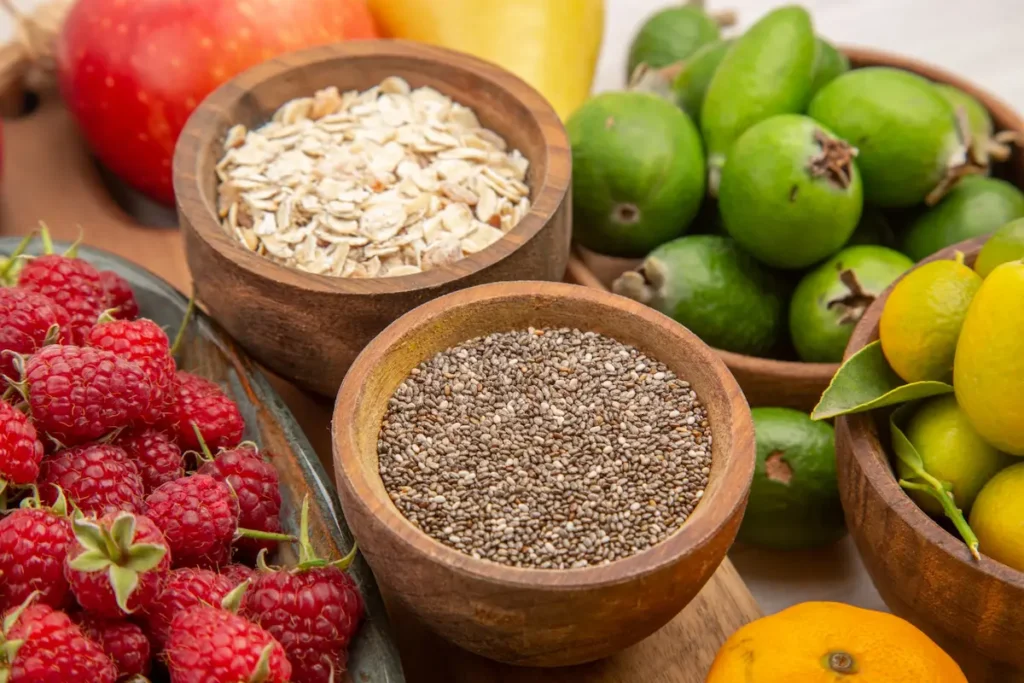
If you want to start fueling your gut bacteria immediately, try blending a homemade antioxidant berry smoothie bowl for breakfast. Berries pack massive amounts of fiber and plant chemicals that protect your stomach lining.
How an Anti-Inflammatory Diet Stops Blood Sugar Spikes
Eating a giant bowl of sugary cereal does more than cause an afternoon energy crash. Chronically high blood sugar acts like physical sandpaper inside your blood vessels. When your glucose levels spike wildly, your body releases aggressive chemicals. These chemicals damage your cells and speed up the aging process.
To fix this, your body relies on a hormone called insulin to pull sugar out of your blood and push it into your muscles for energy. Insulin acts as the master regulator for your metabolism. You can explore a clinical review of insulin to understand exactly how this hormone protects your vessels.
Insulin Therapy Research
Medical experts know that keeping blood sugar stable stops the swelling process. For example, a fascinating study looked at what happens to the body during a major cardiac event. Researchers gave heart attack patients a low dose of insulin to see if it would protect their blood vessels.
The results were impressive. The group receiving insulin therapy for inflammation reduction saw their C-reactive protein (CRP) levels drop by 40%, while a second key inflammation marker, serum amyloid A, dropped by 50%.
As a result, the researchers found that insulin helps dilate blood vessels and prevents blood platelets from clumping together. This improves blood flow and limits tissue destruction. If you struggle with prediabetes, balancing your daily blood sugar helps shut off the cellular alarms and lets your blood vessels heal.
Building Your Anti-Inflammatory Diet Meal Plan
You do not need a restrictive diet to heal your body. Instead, you simply need to focus on eating real, whole foods. As nutrition research grows, doctors agree that food acts as the most powerful medicine available.
For example, a recent clinical analysis of dietary inflammatory patterns and colon cancer outcomes followed 1,625 patients with stage III colon cancer. Researchers used the Empirical Dietary Inflammatory Pattern (EDIP) score to evaluate participants’ diets and their impact on survival.
Patients who followed a less inflammatory diet while also engaging in regular physical activity experienced a 63% lower risk of death compared to those with more pro-inflammatory diets and lower activity levels. According to the EDIP model, this involves limiting pro-inflammatory foods such as red and processed meats and refined grains, while increasing intake of anti-inflammatory foods like dark yellow vegetables, leafy greens, and tea.
Wild-Caught Salmon for Omega-3s
Fatty fish contains high amounts of omega-3 fatty acids. These healthy fats travel through your bloodstream and turn off the signals that cause joint pain. Aim to eat two servings of fatty fish every week. Reviewing a complete guide to omega-3 rich foods will help you seamlessly integrate these healthy fats into your weekly meal prep.
Olive Oil to Stop Swelling
Extra virgin olive oil contains a special compound that directly stops swelling. Researchers study the oleocanthal compounds in olive oil because they act similarly to over-the-counter pain medications. Drizzle fresh olive oil over your salads to protect your heart.
Healing Spices Like Turmeric and Ginger
Your ancestors relied on spices to heal the sick. Modern science proves them right. Turmeric contains a chemical called curcumin. Clinical trials show the powerful curcumin effects on joint swelling for people fighting osteoarthritis.
Ginger offers similar benefits. Studies on ginger extract for muscle recovery show that eating ginger helps soothe sore muscles after a heavy workout. You can easily brew a warm cup of homemade turmeric ginger tea before bed to calm your nervous system.
Leafy Greens and Superfoods
Spinach, kale, and Swiss chard contain magnesium and vitamins that help your liver function perfectly. Many people also add powdered greens to their routine. Read up on the benefits of moringa supplements to see how this ancient plant delivers massive amounts of vitamin C to your cells. Building a pantry full of foods that support immune health guarantees you always have healing ingredients ready to cook.
Ingredients to Remove from the Kitchen
Healing requires you to remove the foods throwing gasoline on the fire. The most critical step in healing is limiting ultra-processed snacks and avoiding convenience items heavily wrapped in crinkly plastics.
Fast food, microwave dinners, and baked sweets contain industrial seed oils and massive amounts of refined sugar. Over time, these ingredients destroy the good bacteria in your gut, weaken your stomach lining, and allow toxins to leak directly into your bloodstream.
Beyond pantry snacks, addressing your daily beverages is vital. Liquid sugar from sodas and sweetened coffees spikes your glucose levels instantly, causing massive oxidative stress inside your blood vessels. To protect your vascular health, swap your daily soda for sparkling mineral water or unsweetened green tea.
A Simple 30-Day Anti-Inflammatory Diet Plan
Transitioning to a clean eating lifestyle takes practice. So, use this simple template to guide your choices for the next month.
Week 1 Focus: Hydration and Breakfast
Do not try to change everything on the first day. Instead, spend your first seven days focusing entirely on your morning routine.
Start your day by drinking a large glass of water. For breakfast, throw away the sugary boxed cereals. Cook a bowl of rolled oats and top it with fresh blueberries, chia seeds, and a scoop of almond butter. The fiber from the oats feeds your gut bacteria immediately. The antioxidants in the berries protect your cells from daily stress.
Weeks 2 to 4 Focus: Lunch and Dinner Swaps
Once you master breakfast, start upgrading your afternoon and evening meals.
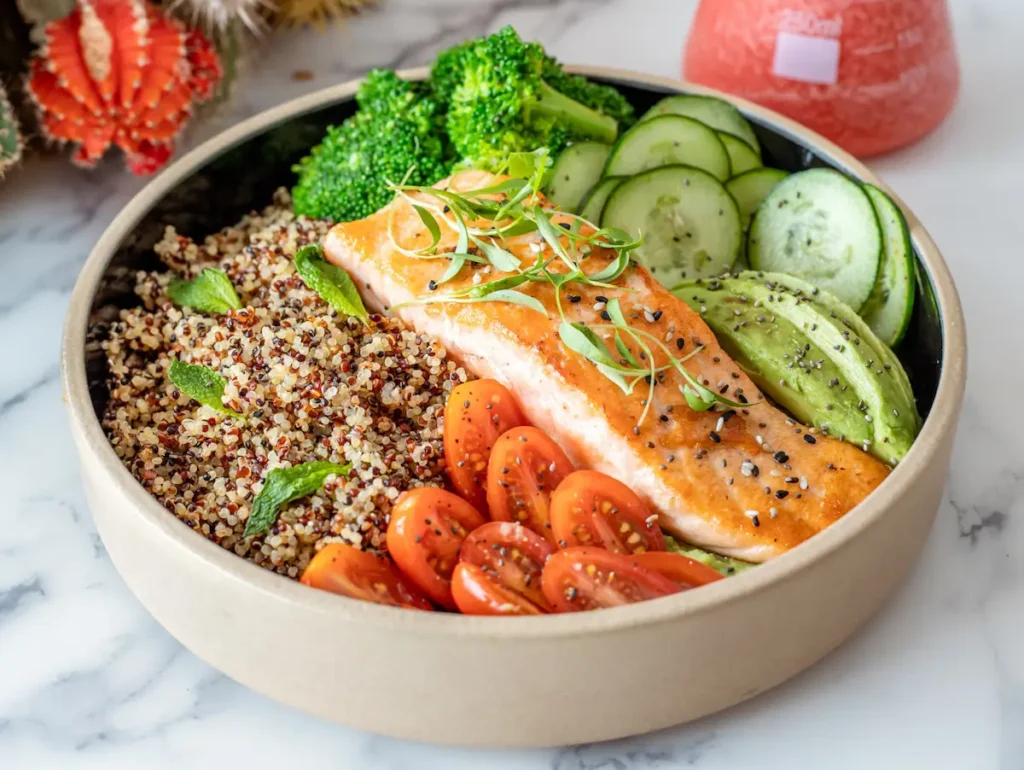
For lunch, build a massive salad using dark leafy greens. Top the greens with canned wild-caught salmon, chickpeas, and half an avocado. Drizzle the bowl with olive oil and fresh lemon juice.
For dinner, fill half of your plate with roasted vegetables like broccoli and sweet potatoes. Fill a quarter of the plate with a lean protein, like baked chicken or lentils. Fill the final quarter with a complex carbohydrate, like brown rice or quinoa.
Lifestyle Habits for Long-Term Healing
Diet alone cannot fix everything; your daily physical habits ultimately dictate how your body manages chemical stress.
Physical Fitness and Muscle Strength
Moving your body pushes waste out of your tissues. Plus, exercise burns excess sugar in your blood and builds strong muscles.
Remember the massive study on dietary fiber mentioned earlier? The researchers found that women who ate high amounts of fiber and also performed resistance training three times a week saw the absolute best health results. Building muscle protects your joints and keeps your metabolism running hot.
You do not need to lift heavy weights in a gym. Even simple routines like fast walking on an incline, working in the garden, or doing bodyweight squats in your living room build vital muscle strength.
Sleep and Stress Management
A bad night of sleep forces your body to pump out stress hormones. Then, these stress hormones cause your liver to release more CRP. It turns into a vicious cycle. Pain keeps you awake, and staying awake causes more pain.
Managing your mental health actively lowers your physical pain. Medical professionals study the link between psychological interventions and inflammatory markers constantly. When patients reduce their emotional distress, their white blood cell counts drop, proving that a calm mind creates a calm body.
Turn off your television and phone an hour before bed. Read a book or practice deep breathing. Keep your bedroom cool and dark. Prioritizing rest gives your cells the time they need to rebuild and repair.
Frequently Asked Questions About the Anti-Inflammatory Diet
How long does it take to feel better after changing my diet?
Every body reacts differently. Generally, many people notice a massive spike in their daily energy after just two weeks of eating clean foods. Clinical observations, such as data from a 12-week dietary intervention trial for arthritis, suggest that patients often report measurable relief from joint stiffness entering the sixth to eighth week of consistent dietary changes.
Do I have to buy everything organic?
You do not have to buy every single item organic. Instead, focus your budget on buying organic for soft fruits and vegetables that you eat whole, like strawberries, spinach, and apples. For items with thick skins that you peel, like avocados and bananas, conventional options work perfectly fine. Just make sure to wash all your produce thoroughly.
Can I still drink coffee on this plan?
Yes. Black coffee contains powerful plant chemicals that protect your liver and fight cell damage. The problem comes from what you add to the cup. You must avoid sugary, flavored creamers and artificial syrups. If you need to soften the bitter taste, add a splash of unsweetened almond milk.
What is the fastest way to start healing today?
Go to your pantry right now and throw away your highly processed vegetable oils. Replace them with a high-quality bottle of extra virgin olive oil. Next, replace your sugary snacks with fresh fruit and raw nuts. Making these two tiny changes immediately stops the daily damage to your blood vessels.
Take control of your kitchen today. By feeding your body real, whole foods, you give your immune system exactly what it needs to shut off the alarms and start the healing process.
This article is for informational purposes only. Please read our full medical disclaimer here.