Understanding the Importance of a Diabetic Diet Meal Plan
Transitioning to a diabetic-friendly lifestyle starts with understanding how your daily food choices influence your body. Using a clear diabetic diet meal plan eliminates the guesswork. It ensures you get the right nutrients to support your metabolic health without compromising on flavor or satisfaction.
How a Diabetic Diet Helps Manage Blood Sugar
Every bite you take directly impacts your blood sugar. Managing your glucose is your first defense against health complications when you have diabetes. The Centers for Disease Control and Prevention’s diabetes meal planning guidance emphasizes that well-planned meals play a key role in regulating blood sugar and achieving glycemic targets.
Eating balanced meals regularly helps keep your glucose steady. Avoiding severe spikes and crashes is critical. According to the National Institute of Diabetes and Digestive and Kidney Diseases, chronic high blood sugar can directly lead to long term issues like heart disease, kidney damage, or nerve pain.
Key Principles for a Balanced Diabetic Meal Plan
Balance matters more than strict dieting. Your meals should mix good carbs like whole grains, lean proteins like chicken and beans, healthy fats like avocado and nuts, and plenty of fiber rich foods like veggies and fruits. Evidence-based dietary guidance for diabetes strongly supports choosing whole, minimally processed foods to help stabilize blood sugar.
Information Gain: Glycemic Load vs. Glycemic Index
Many generic diet guides tell you to eat low Glycemic Index foods. However, the Glycemic Load offers a much more accurate picture of how a specific food impacts your blood sugar. The Glycemic Load factors in the actual portion size of the carbohydrates you eat.
The formula for Glycemic Load is:
Understanding this formula helps you make smarter food choices. Here is a comparative analysis based on 2026 nutritional data standards.
| Food Item (1 Cup Serving) | Glycemic Index (GI) | Net Carbs (g) | Fiber (g) | Glycemic Load (GL) | Impact on Blood Sugar |
|---|---|---|---|---|---|
| Instant White Rice | 87 | 43.21g | 0.99g | 37.59 | High (Rapid Spike) |
| Quinoa (Cooked) | 50 | 34.22g | 5.18g | 17.11 | Medium (Steady) |
| Rolled Oats (Cooked) | 57 | 23.34g | 4.16g | 13.30 | Medium (Steady) |
| Lentils (Cooked) | 30 | 24.20g | 15.60g | 7.26 | Low (Highly Stable) |
- Macronutrients: Total carbohydrate and dietary fiber values are sourced directly from the USDA FoodData Central database.
- Glycemic Impact: Glycemic Index (GI) values are verified via the University of Sydney’s Glycemic Index Research Service (SUGiRS) standard international database.
- Calculations:
- Net Carbs = Total Carbohydrates (g) – Total Dietary Fiber (g).
- Glycemic Load (GL) = (GI × Net Carbs) ÷ 100.
- Medical Disclaimer: This data is provided for educational and meal-planning purposes only. Please consult with your primary care physician or a registered dietitian before making significant adjustments to a diabetic care plan.
Before You Begin: Essentials for Your Diabetic Diet Meal Plan
Setting up your kitchen with the right basics helps you keep your blood sugar in check. You do not need to buy fancy ingredients. You just need a few smart staples that make balanced eating a simple habit.
Diabetic Friendly Foods to Stock
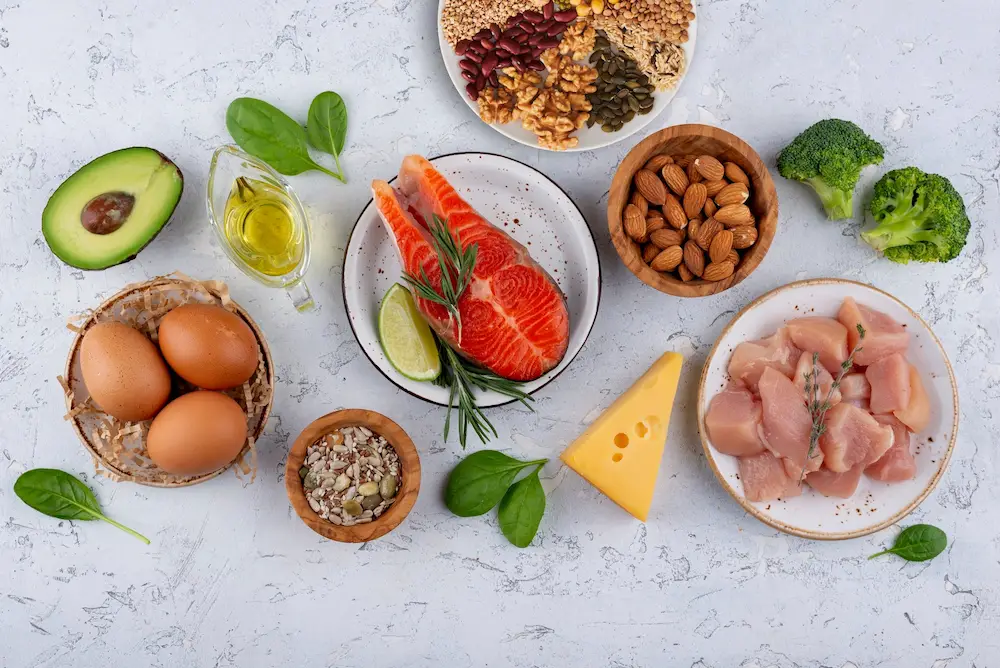
Building a reliable pantry prevents poor last minute food choices. You should focus your grocery shopping on four core nutritional categories. These specific staples form the foundation of your meal plan and make daily cooking much easier.
Carbs That Work for You
You do not have to give up carbs completely. Instead, simply choose the right ones. The best options digest slowly, keep you full, and prevent mid-morning sugar crashes.
- Quinoa: This grain is tiny but mighty. It is a complete protein, high in fiber, and cooks in about 15 minutes. Use it in grain bowls or salads.
- Oats: Oats are not just for breakfast. They are rich in beta-glucan. This specific type of soluble fiber has been shown in clinical research to help improve insulin sensitivity and lower cholesterol.
- Brown Rice: This rice is heartier than white rice. It provides more fiber and nutrients. It works well as a base for stir fries or curries.
- Whole Grain Bread: Avoid fluffy white bread. Choose dense, fiber-rich loaves with zero added sugar. Sprouted grain breads offer even better blood sugar control.
⚠️ Nutritional Caveat: Even complex, high-fiber carbs like brown rice and quinoa will raise your blood sugar if over-consumed. Strict portion control (typically ½ to 1 cup cooked, depending on your dietary goals) is essential for maintaining a low Glycemic Load.
High-Quality Proteins
Protein does more than build muscle. It keeps you full and helps stabilize your blood sugar.
- Chicken Breast: Lean, versatile, and easy to cook in bulk. Toss it into salads or wraps.
- Eggs: A nutritional powerhouse. They are incredibly low in carbohydrates and provide high-quality protein to start your day without a sugar spike.
- Salmon: A premier protein choice. While not “lean,” salmon is packed with Omega-3 fatty acids, which are vital for reducing inflammation and supporting the heart health of diabetics.
- Tofu & Legumes: For plant-based days, tofu, lentils, chickpeas, and beans provide high amounts of fiber, protein, and iron.
Fats That Add Flavor
Healthy fats help you absorb vitamins and keep you feeling full longer.
- Avocados: Creamy and loaded with heart-healthy monounsaturated fats. Use them for spreads or salads.
- Extra Virgin Olive Oil: Known for its antioxidants. Use it in dressings or for roasting vegetables.
- Nuts and Seeds: Almonds, walnuts, pumpkin seeds, and mixed seeds pack healthy fats, protein, and fiber. They add a great crunch to salads or morning oats.
- Cheese: Hard cheeses are very low in carbohydrates and can be a great flavor enhancer.
⚠️ Nutritional Caveat: Healthy fats are incredibly nutrient-dense, but they are also calorie-dense. Nuts, seeds, and cheese should be measured carefully to avoid unintentional weight gain, which can negatively impact insulin resistance.
Fiber-Rich Veggies and Low Sugar Fruits
These foods should fill most of your plate. They are low in calories and packed with essential nutrients.
- Leafy Greens: Spinach, kale, and arugula have low carbs and high vitamins.
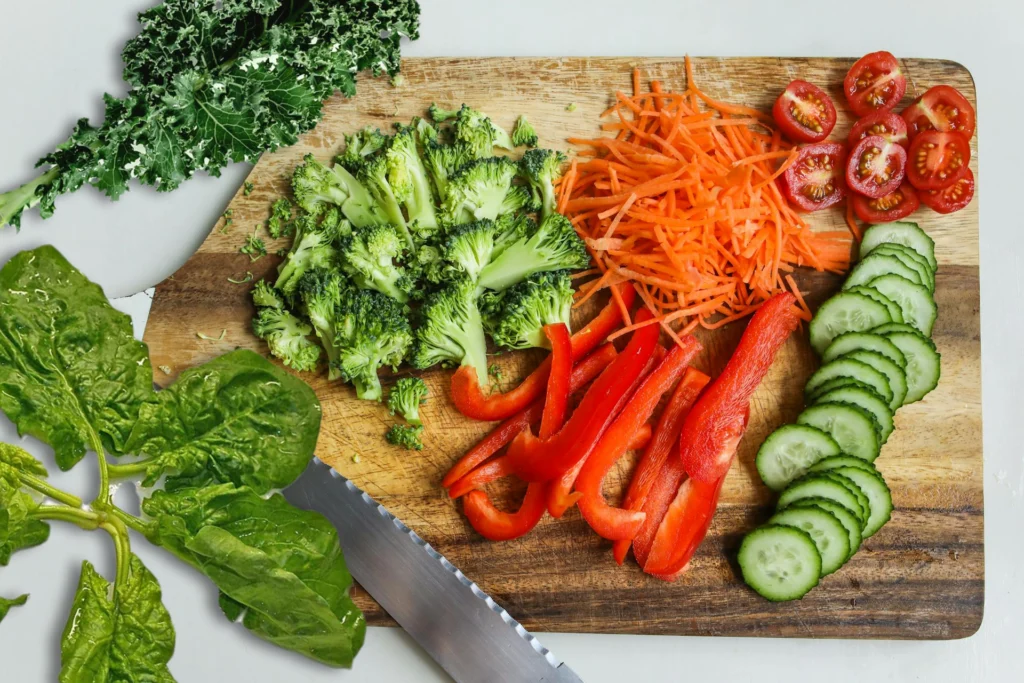
- Cruciferous Veggies: Broccoli, Brussels sprouts, and cauliflower provide high fiber and vitamin C.
- Berries: Blueberries, strawberries, and raspberries have a much lower glycemic index than tropical fruits and are packed with antioxidants.
- Apples and Pears: High in fiber and naturally sweet. They are perfect for snacking.
Quick Tip: Keep bags of frozen veggies and berries in your freezer. They are flash-frozen at peak nutrition, last for months, and make meal prep significantly faster.
Daily Diabetic Meal Structure Simplified
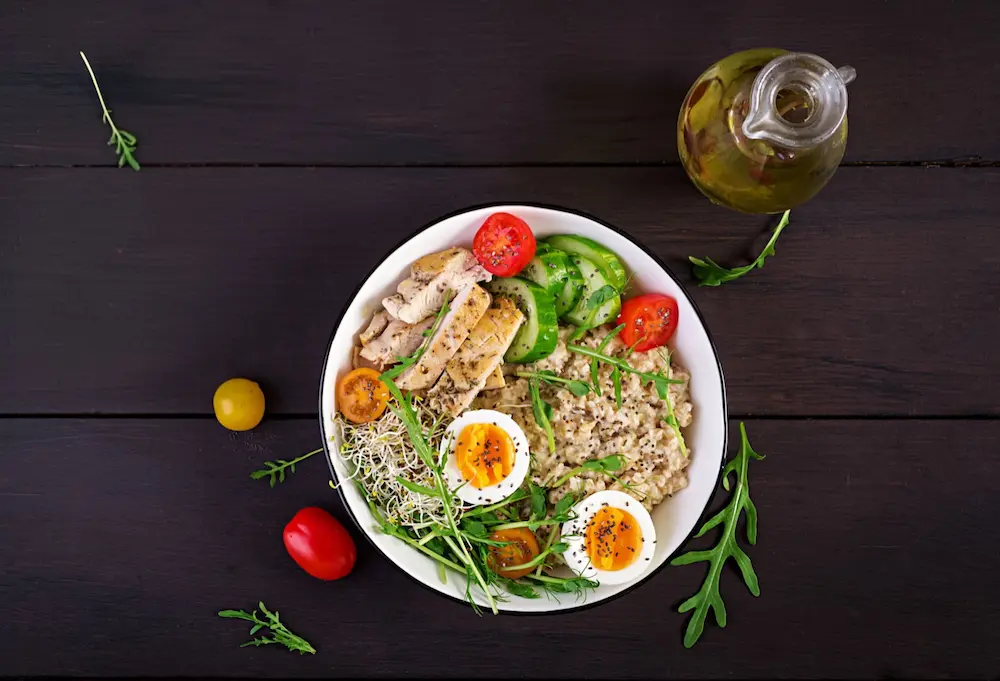
Building balanced meals becomes easy once you set up your kitchen. Here is a straightforward approach to structuring your daily meals:
- Breakfast: Complex carbs like oats plus lean protein like eggs plus healthy fats like nuts.
- Lunch: Fiber-rich veggies like spinach plus lean protein like chicken plus whole grains like quinoa.
- Dinner: Lean protein like salmon plus low GI veggies like green beans plus healthy fats like olive oil.
Pro Tip: Build each meal around protein, fiber, and healthy fats. This structure controls your blood sugar, keeps you full, and reduces your cravings.
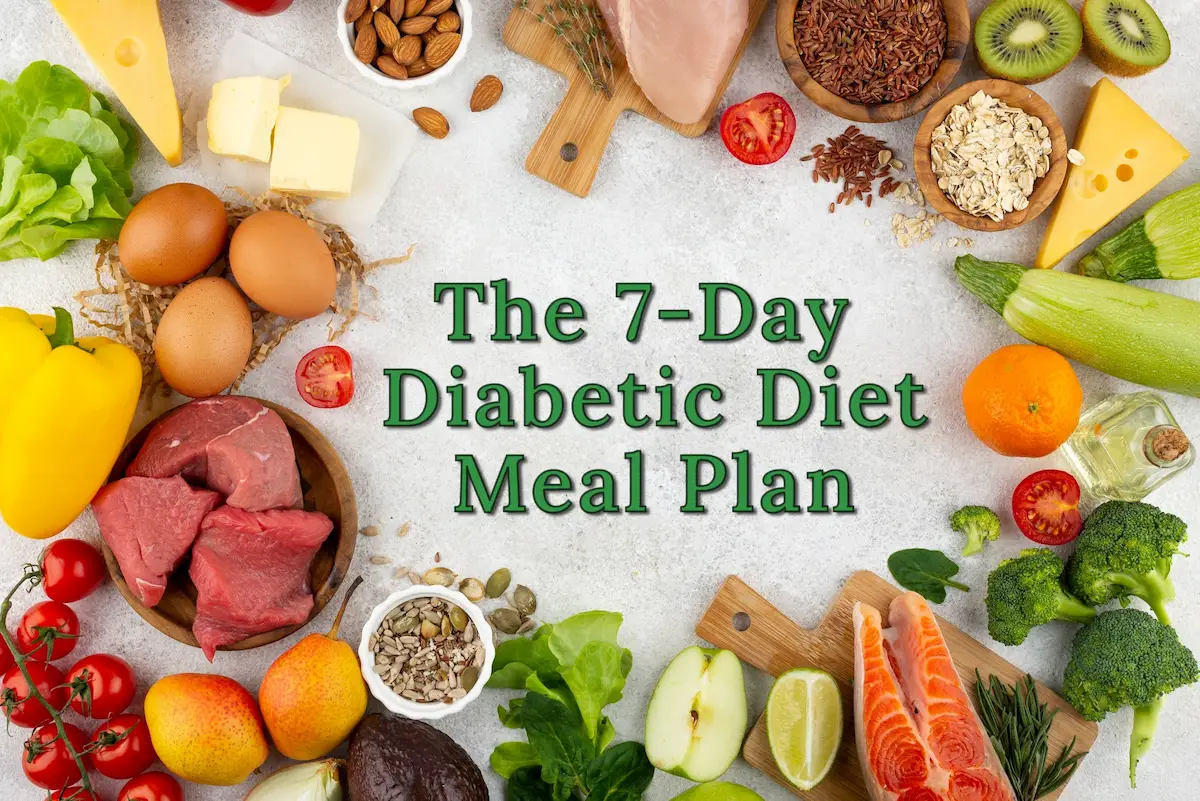
The 7 Day Diabetic Diet Meal Plan
This structured meal plan takes the guesswork out of your daily nutrition. Each day is carefully balanced with the right mix of fiber, healthy fats, and lean proteins to keep your blood sugar stable without sacrificing flavor. Feel free to repeat your favorite days or swap meals based on your schedule.
Important Note on Portion Control & Customization: Because every individual’s metabolic rate, daily activity level, and medication requirements differ, there is no “one-size-fits-all” portion size. Please use this 7-day menu as a foundational template. We highly recommend adjusting the specific quantities and caloric intake to align with your personal weight management goals, and always consult with your healthcare provider or a registered dietitian before making significant changes to your diet.
Day 1: Start Strong and Stay Balanced
- Breakfast: Overnight oats with chia seeds, berries, and almonds.
- Lunch: Grilled chicken quinoa salad with lemon tahini dressing. For more inspiration, check out our fiber-rich avocado and quinoa salad recipe.
- Dinner: Baked salmon, steamed broccoli, and wild rice.
Day 2: High Fiber and Healthy Fats
- Breakfast: Scrambled eggs with spinach and whole grain toast.
- Lunch: Lentil vegetable soup with a mixed greens salad.
- Dinner: Chicken stir fry with vegetables and brown rice. To find the best ingredients, read our guide to selecting pesticide-free organic vegetables.
Day 3: Plant Based Power Meals
- Breakfast: Avocado smoothie bowl with flaxseed and berries. If you want a higher protein alternative, blend our protein packed mixed berry and chia seed smoothie bowl.
- Lunch: Chickpea salad wrap with cucumber and mint yogurt. Pair your meal with an anti inflammatory tea.
- Dinner: Spaghetti squash served with turkey meatballs and fresh tomato sauce.
Day 4: Quick Meals for Busy Days
- Breakfast: Greek yogurt parfait with walnuts, berries, and cinnamon.
- Lunch: Whole grain turkey and vegetable sandwich.
- Dinner: Black bean chili served over quinoa.
Day 5: Flavorful and Filling
- Breakfast: Cottage cheese topped with pears, walnuts, and cinnamon.
- Lunch: Fresh tuna salad with leafy greens and a lemon vinaigrette.
- Dinner: Roasted chicken thighs, Brussels sprouts, and sweet potato wedges.
Day 6: Comfort Foods Diabetic Style
- Breakfast: Warm millet porridge with almonds and berries.
- Lunch: Mediterranean quinoa bowl with roasted veggies and hummus. Season your meals using our recommended metabolism-boosting organic spices for healthy cooking.
- Dinner: Turkey meatloaf loaded with veggies and sauteed green beans.
Day 7: Reflect and Reset
- Breakfast: Vegetable omelet and whole grain toast.
- Lunch: Grilled vegetable and tofu salad.
- Dinner: Simple vegetable and barley stew.
Tip: Keep your leftovers. They make excellent meal prep for the upcoming week.
Smart Tips to Sustain Your Diabetic Diet Meal Plan
Having a solid meal plan is only the first step. Long-term success comes from building practical habits that fit naturally into your busy lifestyle. These simple strategies will help you stay on track, reduce kitchen stress, and actually enjoy the process of healthy eating.
Meal Prep Strategies to Simplify Your Week
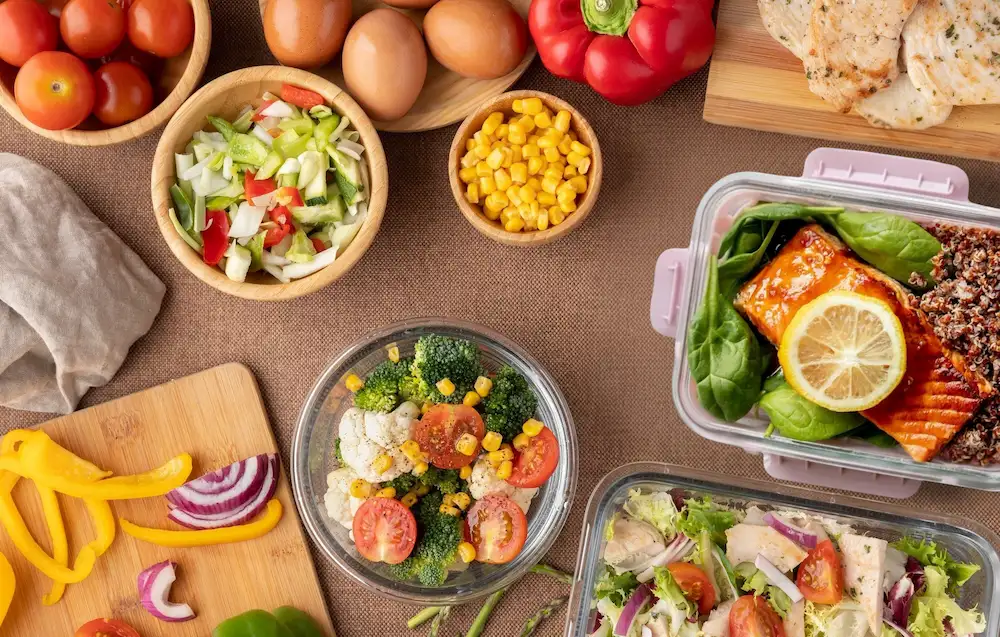
Meal prep saves you time and reduces stress:
- Cook your grains and beans once a week.
- Chop your vegetables in bulk for easy access.
- Pre portion your snacks for convenience.
Keeping Meals Delicious Without Spiking Blood Sugar
Healthy eating should never taste bland:
- Season your food with spices and herbs instead of sugar.
- Pair lean proteins with high fiber foods so you stay full.
- Swap refined carbs with whole grain alternatives.
Frequently Asked Questions About a Diabetic Diet
Can I have fruits on a diabetic diet?
Yes. You should pick lower GI fruits like berries, apples, pears, and oranges to keep your blood sugar steady.
Is snacking allowed on a diabetic diet meal plan?
Yes, snacks help you manage hunger. Choose balanced options that contain fiber, healthy fats, and protein. Almonds with berries work perfectly.
How can I manage cravings for sweets?
You can manage sweet cravings smartly. Eat diabetic friendly treats like dark chocolate with 70% cacao in moderation.
Final Thoughts on Balanced Eating for Diabetes
Eating a healthy diet with diabetes is neither complicated nor restrictive. You simply balance delicious foods using easy and practical methods. Use this 7 day diabetic diet meal plan regularly to keep your blood sugar stable.
If you want more low glucose meal ideas, explore our healthy and simple Mediterranean diet recipes. The high fiber and natural foods in this eating style provide an excellent foundation for blood sugar control and keep your meals interesting every single day.