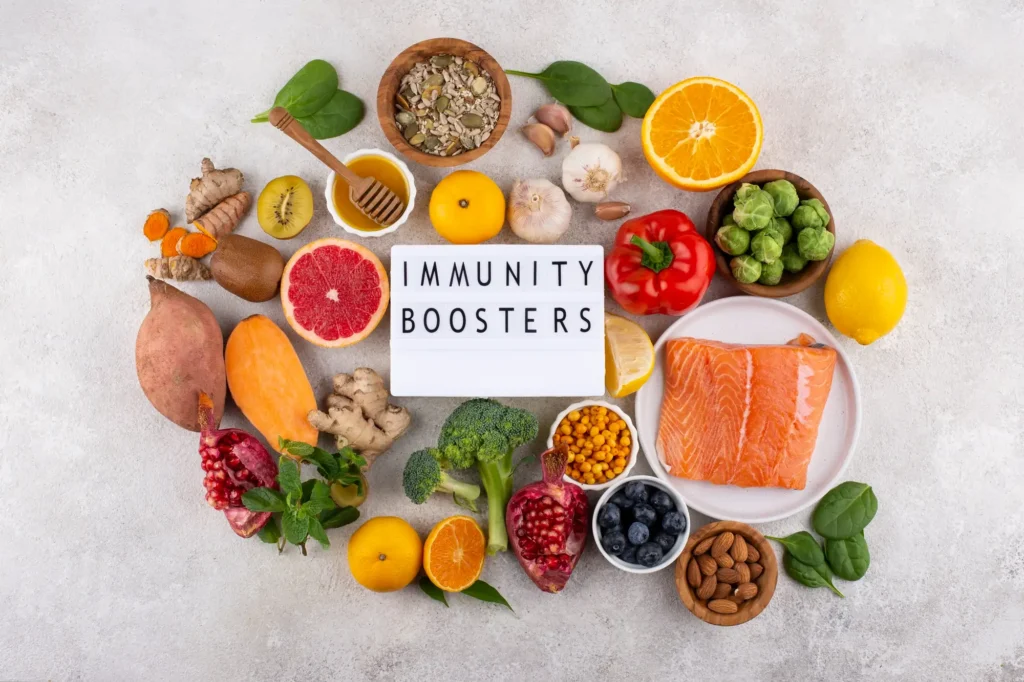
Top 20 Immune-Boosting Foods (Backed by Science)
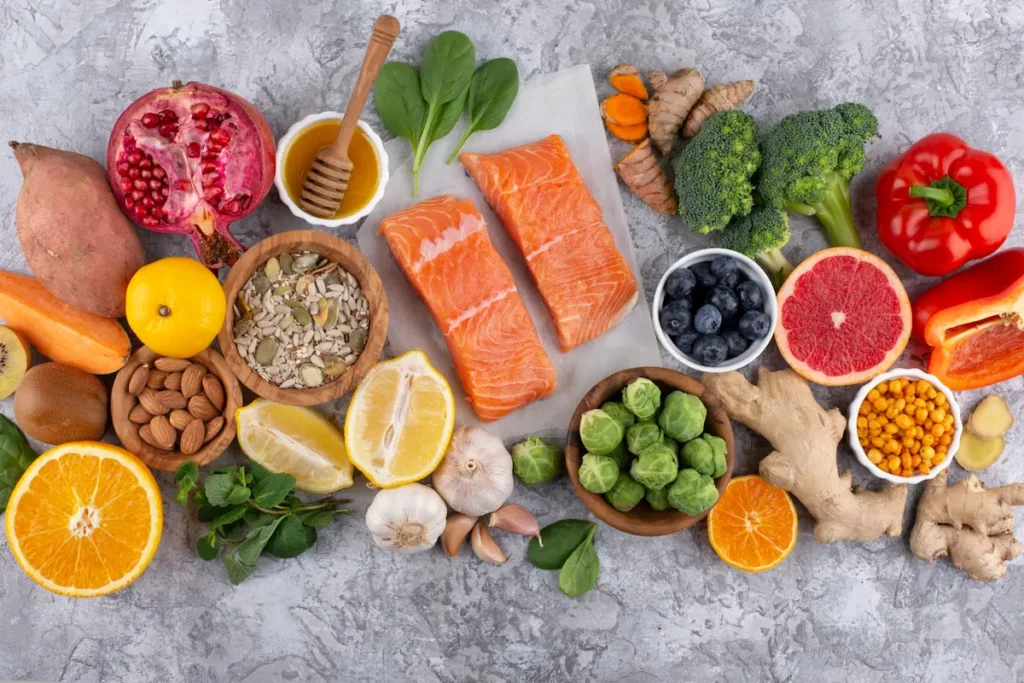
Looking for real immune boosting foods that work? It starts with what’s already on your plate. Starting with food is one of the simplest ways to build a stronger immune system. There are supplements, tonics, and miracle shots on every shelf — but your body still runs on what you eat daily. And that’s where real immune strength begins. No trendy powder can replace the power of a fresh, whole meal. This list isn’t about superfood hype. It’s about clean, everyday foods backed by research and loaded with nutrients that support your body’s natural defenses. Why Focus on Immune-Boosting Foods? Your immune system is like your body’s security team. It works around the clock to identify and fight off threats — viruses, bacteria, toxins. To do that well, it needs fuel. And that fuel comes from nutrients like: That’s why what you eat regularly matters more than any last-minute flu shot smoothie. The Top 20 Immune-Boosting Foods You Can Trust These foods are grouped based on what they bring to the table — antioxidants, minerals, gut health support, and more. You don’t need all 20 every day. Just aim to work a few into your week and rotate with the seasons. Immune-Boosting Foods #1–5: Vitamin C Powerhouses These aren’t just cold-season classics — they help your body build a stronger immune response year-round. Vitamin C doesn’t just help with colds — it’s essential for the growth and repair of tissues throughout the body. Oranges and kiwis get a lot of love, but red bell peppers are surprisingly powerful here. They’re rich in both vitamin C and beta-carotene, which work together to fight inflammation and strengthen immune cells. According to the Cleveland Clinic, eating a diet rich in vitamin C may help shorten the duration of respiratory infections. Try slicing peppers raw for a snack, or roasting them for a sweeter, milder flavor. Top Immune Foods #6–10: Fermented Gut Health Heroes Your gut is home to trillions of microbes. The better their balance, the better your immune system works. Here’s something wild: more than 70% of your immune system lives in your gut. So yeah, the yogurt you’re eating actually does more than taste good. Fermented foods like kefir and kimchi deliver helpful bacteria that support immune balance. Harvard Health explains that adding probiotics from fermented foods and immunity might even reduce infection risk over time. It’s not a gimmick — it’s gut science. When I started adding more probiotic foods, I also looked for warm, soothing ways to calm inflammation. That’s when I found this Organic Turmeric Ginger Tea Recipe. The combo of turmeric and ginger isn’t just comforting—it works with your gut and your immune system in sync. Immune-Boosters #11–15: Anti-Inflammatory Superfoods Chronic inflammation weakens your immune response. These foods help calm it down and restore balance. These immune boosting foods work especially well when used together — supporting the body’s natural defenses without artificial help. Turmeric gets most of the spotlight, but garlic is just as worthy. Its active compound, allicin, has been shown to improve immune function and even reduce the frequency of common colds. A review published by the NIH shows that curcumin, the key compound in turmeric, may help modulate immune activity and support better response to stressors. Just a small amount added to soups, teas, or dressings can go a long way. Want something refreshing that packs in antioxidants and supports immunity? Try our Organic Berry Smoothie Bowl. It’s a quick breakfast or post-workout meal featuring immune-loving ingredients like strawberries and blueberries. Foods #16–20: High-Zinc & Iron Picks for Immunity Zinc is crucial for creating immune cells. Iron helps them carry oxygen where it’s needed. Both matter. Pumpkin seeds aren’t just for trail mix. Just a tablespoon gives you a good chunk of your daily zinc needs — and that’s important, because zinc helps activate your immune system’s “fighter cells.” A breakdown from the NIH Office of Dietary Supplements confirms this. I like sprinkling some on salads or adding them into oatmeal for an easy boost. Or if you want a nutrient-dense traditional remedy that combines zinc, iron, and warming spices in one energizing mix, this warming blend for daily strength has been used for generations to support seasonal immunity and strength. If you’re already eating quinoa or avocado, there’s an easy way to make it count. I throw them together into this salad. Nothing fancy — just mix, season, done. It’s clean, high in iron and zinc, and actually something you’ll want again. How to Build a Daily Immune-Boosting Plate You don’t need to memorize food labels or track every nutrient. Just follow this pattern: Sample Day: Need help stocking your fridge or freezer with clean, immune-friendly meals? This Homemade Baby Food Prep Guide walks through how to batch-prep purees and smoothies using several of the foods listed here. What to Limit If You Want Better Immunity Even a great diet can be dragged down by what’s missing — or what’s working against you. ❌ Ultra-processed foods – High in refined sugar, low in nutrients❌ Sugary drinks – Disrupt blood sugar + gut health❌ Low-fiber foods – Starve your beneficial gut bacteria❌ Alcohol – Depletes key immune-supporting nutrients Some foods just quietly work against you — even the ones that don’t look like junk at first glance. I remember grabbing a “healthy” granola bar thinking it was a smart snack, only to flip it over and find three types of sugar. And that’s not unusual. Many packaged foods that sound immune-friendly on the front (like yogurt cups labeled “probiotic” or juices marked “vitamin-packed”) are overloaded with sweeteners and stabilizers. Sure, they may offer one benefit, but at the same time, they spike blood sugar and create low-level inflammation — the very thing your immune system is trying to manage. None of this means you have to be extreme. Just more aware. If most of your meals are built from whole foods — and you’re reading the labels with a bit more curiosity
Top 20 Immune-Boosting Foods (Backed by Science) Read More »