
Mediterranean Recipes

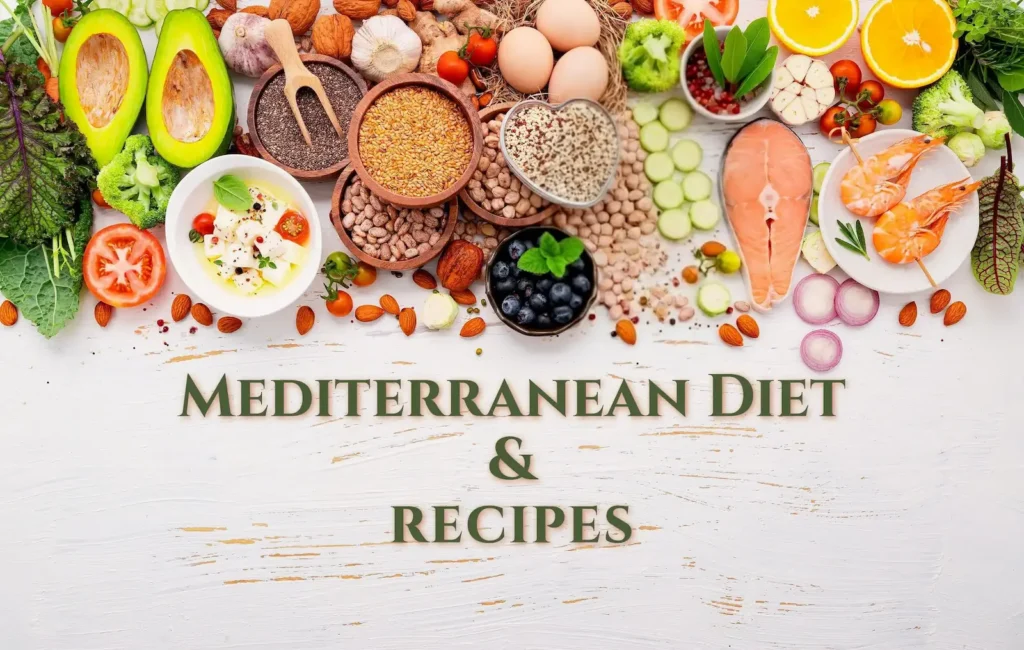
Mediterranean diet recipes banner with vegetables, beans, nuts, fish, eggs and olive oil on a white table

Mediterranean Diet Recipes: Healthy, Simple, and Real

When people talk about Mediterranean diet recipes, they are often picturing plates full of olives, grilled fish, and golden drizzles of olive oil. The truth is, it is not about any one food. It is about how it all fits together. This way of eating isn’t built on rules. It’s built on rhythm — fresh produce, grains with fiber, real fats, and recipes that feel like home cooking. No factory-made blends or synthetic ingredients — just the basics, done well. In this guide, we’ll walk through Mediterranean diet recipes that are actually practical. They’re based on real ingredients, easy techniques, and health benefits supported by science. Whether you’re trying to eat cleaner, protect your heart, or just enjoy what’s on your plate, this is a good place to start. And if you’re building out your meal rotation, you can borrow ideas from our pasta dishes that pack in more protein without feeling heavy and also take a look at our article on using clean, real spices to bring more depth to everyday cooking. What Makes a Mediterranean Diet So Healthy and Real? People talk about the Mediterranean diet like it is a special plan, but on the plate it looks like normal food. Regular family meals with vegetables, good oil, simple grains, fish when you can. So what is it about that mix that keeps showing up in health research and still feels real and doable? The Science-Backed Health Benefits You’ve probably heard this before — the Mediterranean diet is one of the healthiest eating patterns in the world. But that’s not marketing. It’s backed by decades of research. Long-term research on Mediterranean-style eating shows lower rates of heart disease, stroke, and chronic inflammation in people who follow this pattern on a regular basis. Large medical groups also link this way of eating to better brain health and a lower risk of cognitive decline as we age. Your daily meals can support both your heart and your mind in a quiet, consistent way. Why does it work? It’s not magic — it’s meals made with olive oil, fiber from legumes, plant diversity, and omega-3s from seafood. These ingredients reduce inflammation and support a more stable metabolism. The best part? It’s a way of eating you can stick with. Real Ingredients Over Rules There’s no strict list of “yes” or “no” foods. Instead, it’s about making most of your meals from things that don’t come with a barcode. Think lentils, tomatoes, garlic, grains, fish, and fresh herbs. Add olive oil, not artificial dressings. Snack on nuts, not puffs. We already explored this way of eating in our guide on choosing clean plant proteins, where foods like beans and lentils carry most of the protein and taste. If you want a clear picture of how a balanced Mediterranean-style plate is put together, look at this pyramid that sets out grains, vegetables, healthy fats, and proteins in simple layers. What would that kind of plate look like on your own table? Mediterranean Diet Recipes Made Simple for Real Life Each of the Mediterranean diet recipes below is clear, easy to follow, and loaded with ingredients that match this way of eating. Real, simple food that still feels satisfying. Whether you’re cooking for one or prepping for the week, these fit right into everyday life. 1. Mediterranean Chickpea Salad (No-Cook, High Protein Recipe) This 10 minute salad is bright, protein rich, and full of gut friendly fiber. It is one of those Mediterranean diet recipes you can throw together for lunch or a light dinner. Ingredients: Directions: This kind of mix shows up in our list of everyday foods that help your immune system stay steady. Chickpeas, garlic, and lemon all repeat there, because they pull their weight in simple daily meals. 2. One-Pan Baked Cod with Olive Oil and Tomatoes A light Mediterranean-style dinner with minimal cleanup. High in omega-3s and flavor. Ingredients: Directions: 3. Spiced Lentil Stew with Fresh Herbs Comforting, earthy, and full of anti-inflammatory spices. Ideal for meal prep. Ingredients: Directions: Turmeric and cumin also show up in our breakdown of clean spices you can use in everyday cooking, where we talk about how they may help with long-term inflammation when they are part of regular meals. 4. Simple Farro Bowl with Greens and Feta A buildable bowl that’s warm, satisfying, and loaded with fiber and healthy fats. Ingredients: Directions: Tip: Swap spinach for kale, or feta for grilled tofu if you’re dairy-free. 5. Yogurt with Olive Oil and Nuts (Quick Mediterranean Dessert Recipe) A naturally sweet, probiotic-rich treat that takes 2 minutes to prepare. Ingredients: Directions: This simple dessert skips the sugar crash — and still hits the spot. How to Build Your Own Mediterranean Meals (No Overthinking Needed) Some nights you stand in front of the fridge and think, okay, what now. This is where a Mediterranean style meal actually feels simple. You reach for a grain, some vegetables, a bit of protein, a small splash of good fat, and you already have the base of a solid plate. Use the 4-Element Mediterranean Meal Builder When in doubt, just build your plate with four elements: This approach mirrors how Mediterranean families have eaten for generations — no overthinking, just real ingredients working together. You can also look at this Mediterranean eating pattern rooted in tradition, built on years of diet research. It focuses on whole foods, plenty of plants, and moderate portions without relying on alcohol. Mediterranean Staples to Always Keep at Home If your pantry and fridge are stocked with the right basics, you’ll always have something healthy to reach for. Here’s what helps most: Pantry: Fridge: These ingredients play nicely together, and they last longer than you’d expect — perfect for busy weeks. Smart Tips to Keep Your Mediterranean Diet Healthy & Sustainable When Simplicity Is the Healthiest Choice You don’t need complex meals to eat well. Some of the most nourishing Mediterranean dishes are the simplest: grilled zucchini with hummus, lentils and greens with

Mediterranean Diet Recipes: Healthy, Simple, and Real Read More »
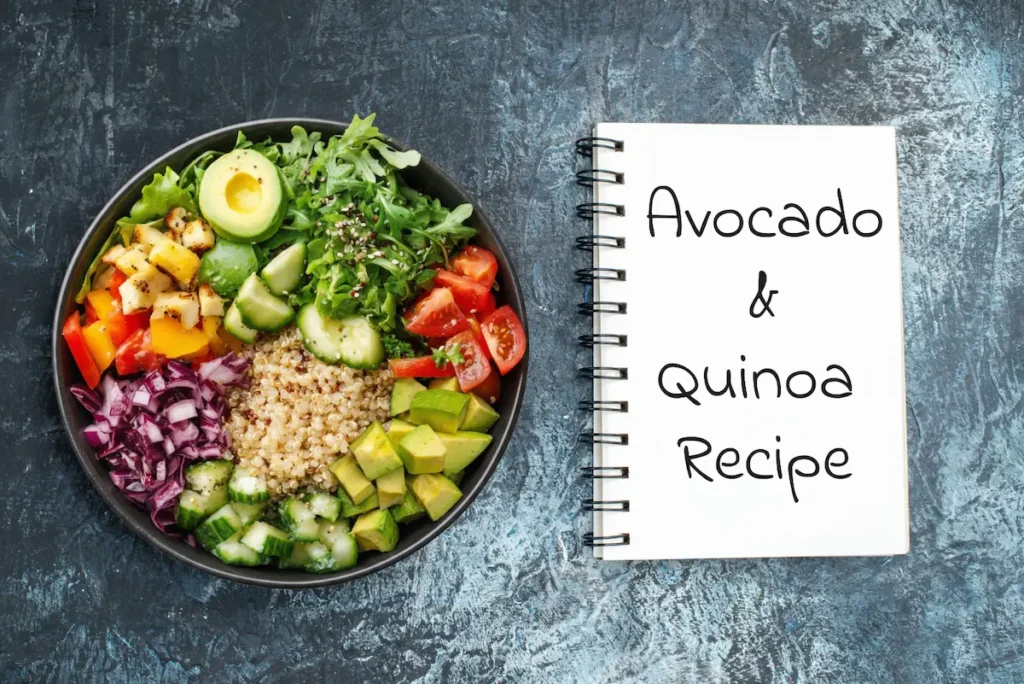
Overhead view of a fresh avocado and quinoa salad bowl packed with cherry tomatoes, cucumber, and mixed greens, placed next to a recipe notebook.

Avocado & Quinoa Salad Recipe – Healthy, Protein-Packed & Easy

Do you ever eat a fresh salad and feel completely hungry just an hour later? Creating the perfect Avocado & Quinoa Salad solves this problem. Finding a meal that satisfies your appetite while delivering complete cellular nutrition often feels like a puzzle. Most traditional salads lack the proper balance of complete proteins, complex carbohydrates, and healthy fats. To solve this problem, dietary science points to a very specific combination of ingredients. You can combine the amino acid profile of organic quinoa with the lipid structure of fresh avocados. As a result, you create a meal that acts as a nutritional powerhouse. This high-protein avocado & quinoa salad recipe goes far beyond basic taste. It relies on the biological synergy between specific plant compounds to boost your heart health, stabilize your blood sugar, and increase the way your body absorbs vitamins. This guide breaks down the exact science behind these powerful ingredients. Next, it provides a simple, clean recipe to elevate your weekly meal plan. The Science Behind Your Avocado & Quinoa Salad: Complete Plant Protein Many grains provide basic energy. But, very few provide the complete building blocks required for human muscle and tissue repair. Quinoa stands apart in the botanical world. This pseudocereal is native to the Andean regions of South America. In fact, it has sustained populations for thousands of years. Today, clinical researchers classify it as a highly functional food. The Essential Amino Acid Profile Proteins consist of amino acids. The human body requires nine specific amino acids from food because it cannot produce them internally. Most plant-based foods lack one or more of these essential amino acids. This makes them incomplete proteins. In contrast, quinoa breaks this rule entirely. It contains all nine essential amino acids. Specifically, it is rich in lysine and leucine. Lysine plays a critical role in tissue repair and immune function. Meanwhile, leucine acts as a primary trigger for muscle protein synthesis. In fact, a single cup of cooked quinoa delivers over 8 grams of high-quality protein. Amino Acid Concentration in Quinoa (g/100g protein) Primary Biological Function Leucine 5.53g Stimulates muscle protein synthesis and repair. Lysine 5.24g Supports calcium absorption and collagen formation. Valine 4.20g Promotes muscle growth and tissue regeneration. Methionine 1.31g Aids in detoxification and acts as a potent antioxidant. Quinoa vs. White Rice: A Nutritional Comparison When building a salad base, many people reach for white or brown rice. Swapping rice for quinoa drastically improves the nutritional density of your meal. A peer-reviewed clinical analysis of quinoa’s macronutrient profile confirms that its nutritional value far surpasses that of refined white rice. For instance, one cup of cooked quinoa contains 222 calories and 39.4 grams of carbohydrates. One cup of white rice contains 242 calories and 53.2 grams of carbohydrates. The most striking difference appears in the fiber content. Quinoa provides 5.18 grams of dietary fiber per cup, compared to a mere 0.6 grams in white rice. Fiber slows down digestion. It prevents sudden spikes in your blood glucose levels. Also, dietary intervention studies confirm quinoa has a low glycemic index of 62 making it an excellent choice for your metabolic health. It improves insulin resistance and enhances lipid profiles better than traditional whole-grain diets. For readers looking to expand their knowledge on building muscle with plants, reviewing our complete guide on plant-based protein sources and their biological value offers excellent foundational advice for your daily diet. Avocados: The Heart of Your Avocado & Quinoa Salad While quinoa provides the structural protein, avocados deliver the energy-dense fats necessary for a thriving cardiovascular system. Many people fear dietary fat. But, medical science clearly distinguishes between harmful saturated fats and protective unsaturated fats. Monounsaturated Fats and Heart Health Avocados are extremely rich in monounsaturated fatty acids. These specific fats actively protect your heart. Clinical guidelines strongly advise replacing saturated fats with monounsaturated fats to keep your cholesterol in check and protect your overall cardiovascular health. Long-term clinical data supports this recommendation. An exhaustive 30-year longitudinal study tracking over 110,000 health professionals found that participants who consumed at least two servings of avocado each week experienced a 16% lower risk of cardiovascular disease. The same group showed a 21% lower risk of coronary heart disease. Swapping out butter, cheese, or processed meats for half a serving of avocado daily can lower your risk of cardiovascular disease events by up to 22%. Improving Overall Diet Quality Adding an avocado to your daily meal plan does more than just protect your heart. It changes your overarching dietary habits. For example, a recent 26-week clinical trial examined the effects of daily avocado consumption on 1,008 adults. The trial revealed that daily avocado consumption improves overall diet quality by significantly increasing adherence to the Dietary Guidelines for Americans. The avocado group saw major improvements in their Healthy Eating Index scores. They consumed more total vegetables and improved their overall fatty acid ratio. As a bonus, the daily avocado habit also led to improved sleep health. For individuals managing their liver enzymes, adding healthy fats is absolutely crucial. Learn more by reading our breakdown of clinically proven foods to naturally reverse fatty liver. The Biochemical Synergy of an Avocado & Quinoa Salad What happens when you mix a complete plant protein with a dense source of monounsaturated fats? A biological synergy occurs. This combination unlocks nutrients that your body would otherwise struggle to absorb. Maximizing Nutrient Absorption Many vegetables contain fat-soluble vitamins (Vitamins A, D, E, and K) and powerful antioxidants called carotenoids. Your digestive tract cannot efficiently absorb these nutrients unless dietary fat is present during digestion. Quinoa and the surrounding salad vegetables contain high levels of these beneficial compounds. Quinoa is extremely rich in Vitamin E. When you eat these greens dry or with a fat-free dressing, a large percentage of the nutrients passes right through your body unabsorbed. Adding avocado changes your digestive environment entirely. The monounsaturated fats in the avocado bind to the vitamins and carotenoids, acting as a transport vehicle across your

Avocado & Quinoa Salad Recipe – Healthy, Protein-Packed & Easy Read More »

Scroll to Top