
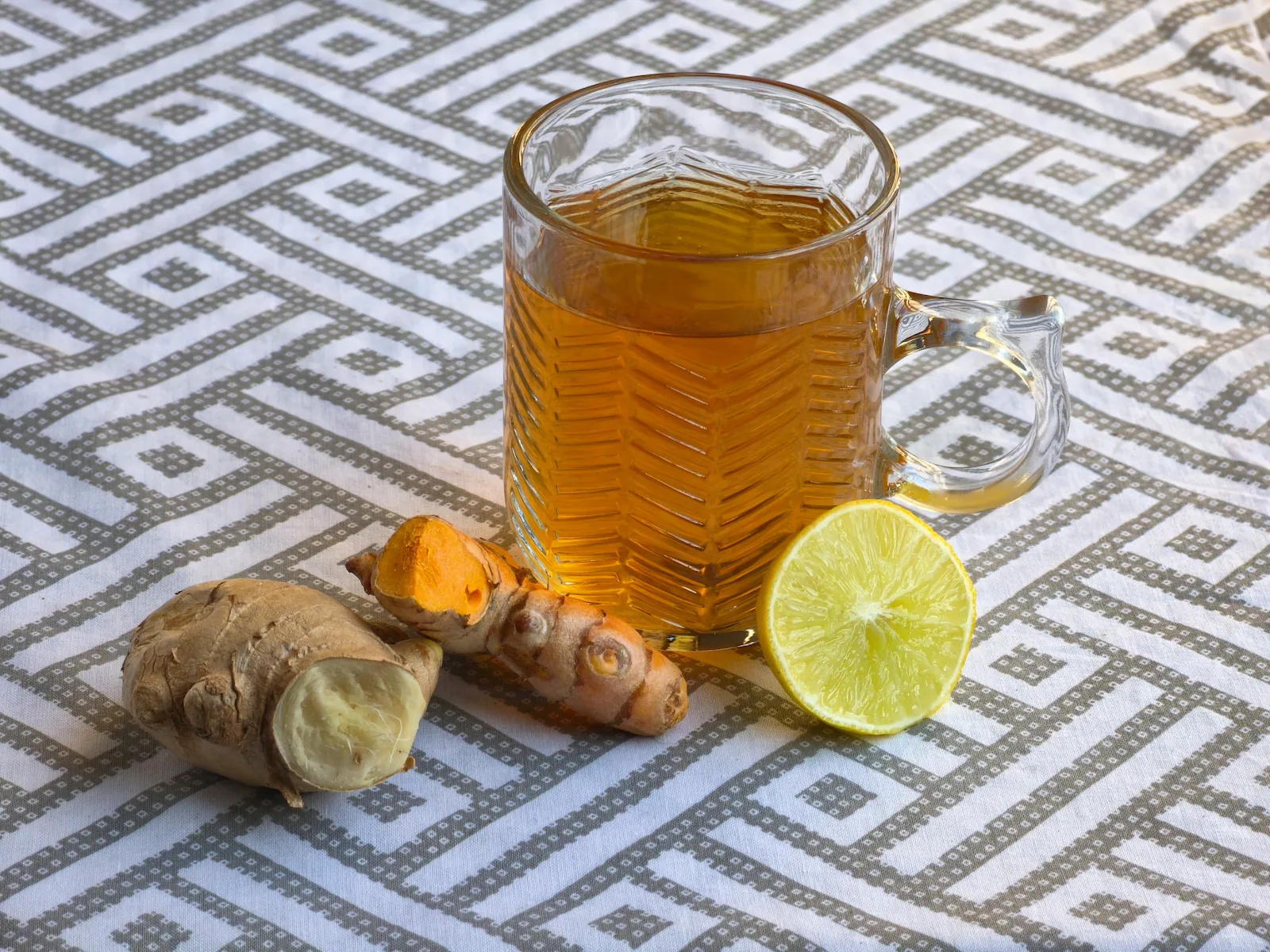
You might think you know turmeric tea, but this specific Organic Turmeric Ginger Tea recipe is different. Perhaps you have seen the golden latte photos or read the headlines about inflammation. But there is a massive difference between drinking yellow water and consuming a functional therapeutic beverage.
Most turmeric tea recipes fail for one simple reason: they ignore the chemistry.
Turmeric contains a powerful compound called curcumin. While curcumin fights inflammation and supports your immune system, your body struggles to absorb it. In fact, if you simply boil turmeric powder in water, you absorb almost none of the benefits. This drink is a cornerstone of an effective anti-inflammatory diet to reduce pain and boost vitality.
This guide changes how you brew. Instead of just giving you a recipe, we give you the science to make it work. We show you how to unlock the full potential of these roots using specific techniques like lipid activation and piperine enhancement.
Why Our Organic Turmeric Ginger Tea Is Different
We spent weeks testing different ratios of fresh root versus dried powder. We also tested boiling times and looked at oil saturation. The result is an organic turmeric ginger tea that hits your palate with a warm, peppery kick and leaves you feeling grounded.
This is not a quick caffeine fix. Rather, it is a ritual. It is a daily commitment to your liver, your joints, and your gut health.
The Science of Absorption (The “Golden” Key)
To understand this recipe, you need to understand the problem with curcumin. It is “lipophilic,” which means it loves fat but hates water. Unfortunately, when you eat turmeric plain, your liver filters it out instantly. Clinical data on curcumin bioavailability and rapid hepatic metabolism shows that this ‘first-pass’ process extensively metabolizes the compound in the liver and intestine before it ever reaches meaningful levels in the bloodstream or distant tissues like the joints.
We solve this problem with two specific ingredients.
1. Black Pepper (The Activator)
You must use black pepper. This is non-negotiable. Black pepper contains piperine.
Piperine stops your liver from breaking down the curcumin too quickly. Specifically, a landmark clinical study on curcumin bioavailability found that combining 20 mg of piperine with 2 g of curcumin increased absorption by 2000% in humans.
Think about that number: piperine can increase curcumin bioavailability by up to 2000%. Without it, very little curcumin reaches your bloodstream. With it, you get dramatically better absorption and utilization.
We use freshly cracked black pepper in this recipe because pre-ground pepper loses its potent oils and piperine content over time.
2. Healthy Fats (The Carrier)
Because curcumin is fat-soluble, you need a fat source to carry it into your bloodstream. We use organic coconut oil or ghee.
The fat surrounds the curcumin particles. Then, it creates a protective vehicle that travels through your lymphatic system. This bypasses the liver’s initial filtration.
Sourcing Your Roots: Quality Matters

At My Pure Organics, we believe the soil defines the food. You cannot make a healing tea from toxic ingredients.
The Risk of Conventional Turmeric
Conventional turmeric often comes from industrial farms that use heavy pesticides. Worse, some low-quality turmeric powders are dyed with lead chromate to make them look brighter. Lead is a neurotoxin.
So you must choose Certified Organic turmeric. This ensures you are drinking pure roots, not industrial dyes.
Know Your Variety: The Lakadong Difference
If you can find it, look for Lakadong Turmeric. Most standard, store-bought turmeric contains a baseline curcuminoid content of approximately 3% by weight. In comparison, Lakadong turmeric is a special variety from India that clinical HPLC data confirms contains over 12.5% curcumin by weight—making it yield roughly four times the anti-inflammatory compounds of standard commercial varieties.
You will know it when you see it. The flesh has a vibrant, deep golden-orange hue. The aroma is floral and intense. It lacks the chalky, bitter taste of cheap powder.

Fresh vs. Powder
- Fresh Root: We prefer fresh roots for tea. They contain volatile oils that get lost during drying. These oils give the tea a zesty, citrus-like flavor.
- Powder: Powder is more concentrated. We add a pinch of high-quality powder to the fresh roots to get the best of both worlds.
Health Benefits of Organic Turmeric Ginger Tea
We want to be clear about what this tea can do. These claims are based on specific scientific studies.
1. Joint Support and Pain Management
Turmeric is famous for helping stiff joints. But how effective is it really?
Researchers conducted a clinical study on knee osteoarthritis management. They compared turmeric extracts directly against ibuprofen. The study involved 367 patients.
The results were impressive. The patients who took the turmeric extract (1,500 mg/day) experienced pain relief similar to those who took ibuprofen. Significantly, the turmeric group had fewer stomach issues.
Note: This tea supports joint health. It does not replace medication prescribed by your doctor.
2. Digestive Health and Nausea
Ginger is the partner to turmeric in this blend. It is a powerhouse for digestion.
The bioactive compounds in ginger , specifically gingerols and shogaols, help empty the stomach faster. This relieves bloating and heaviness after meals.
Recent gastrointestinal trials and reviews evaluating ginger root for antiemetic relief indicate that its active compounds, like gingerol, help reduce nausea markers without causing drowsiness. This includes morning sickness during pregnancy.
3. Liver Detoxification
Our liver works hard to filter toxins. Clinical ultrasound studies show that a low 20 mg dose of curcumin stimulates gallbladder contraction, reducing the organ’s volume by nearly 30% within two hours. This promotes the release of bile into the digestive tract to help break down fats.
If you are focusing on organ health, this tea pairs perfectly with specific foods to reverse fatty liver by stimulating these natural detox pathways.
Safety First: Who Should Be Careful?
Natural ingredients are powerful. They can interact with your body in strong ways. Please read this section carefully.
Kidney Stones
Turmeric is high in oxalates. Oxalates can bind with calcium to form kidney stones.
If you have a history of kidney stones, you should limit your intake. Drinking this tea with a meal that contains calcium can help. This is because the calcium binds to the oxalates in your gut before they reach your kidneys.
Blood Thinners
Ginger contains compounds that may affect platelet aggregation. According to a systematic literature review on ginger and platelet aggregation, human clinical evidence is mixed — some studies show a mild inhibitory effect while others show no significant impact.
- Do you take Warfarin, Plavix, or Aspirin?
- Or do you have a bleeding disorder?
If yes, talk to your doctor before drinking this tea daily. The combination can increase your risk of bleeding.
Gallstones
Turmeric causes the gallbladder to contract. This is good for a healthy person. But if you have gallstones blocking your bile ducts, this contraction can cause severe pain.
The Master Recipe: Organic Turmeric Ginger Tea
This recipe makes a potent, spicy, and warming cup. It is designed for maximum absorption.
- Prep Time: 5 minutes
- Cook Time: 15 minutes
- Servings: 2
Ingredients
- Water: 3 cups (filtered water is best).
- Fresh Turmeric: 2-inch piece, organic. (Wash it well. No need to peel).
- Fresh Ginger: 2-inch piece, organic. (Wash and slice thinly).
- Black Pepper: ¼ tsp whole peppercorns (lightly crushed). Do not skip this.
- Healthy Fat: 1 tsp Organic Coconut Oil or Ghee.
- Lemon: ½ lemon, juiced.
- Sweetener: 1-2 tsp Raw Honey (optional).
- Optional: 1 Cinnamon stick.
| Ingredient | Bioactive Target | Estimated Extraction Yield | Mechanistic Action |
|---|---|---|---|
| Lakadong Turmeric (Dried) | Curcuminoids | 12.5% by dry weight | Triggers gallbladder contraction1 |
| Fresh Ginger Root | Total Non-Volatiles (Gingerols, Shogaols, Zingerone) | 1.0% – 3.0% by fresh weight | Lowers thromboxane B2 production2 |
| Black Peppercorns | Piperine | 2.0% – 7.4% by weight | Blocks hepatic and intestinal metabolism3 |
| Organic Coconut Oil (1 tsp) | Medium-Chain Triglycerides (MCTs) | ~62% by weight (about two-thirds) | Rapidly absorbed to liver for quick energy & ketone production4 |
1 Ultrasound study on curcumin and gallbladder contraction
2 Systematic review on ginger and platelet aggregation / thromboxane
3 Piperine enhances curcumin bioavailability by inhibiting hepatic and intestinal glucuronidation
4 MCTs are rapidly absorbed via the portal vein and metabolized in the liver for quick ketone production
Values represent typical reported ranges from scientific literature and lab analyses. Actual content can vary by growing conditions, variety, and processing. Consult a healthcare professional before using for therapeutic purposes.
Step-by-Step Instructions
1. Prepare the Roots Wash your turmeric and ginger. Slice them into thin rounds. Kitchen Tip: Fresh turmeric stains everything yellow. It will mark your counters, your blender, and even your fingers. Be careful. If you stain your counter, use a baking soda paste to scrub it off immediately.
2. The Simmer Add the water, turmeric, ginger, peppercorns, and cinnamon stick to a small pot. Bring it to a boil. Turn the heat down to low immediately. Then, let it simmer gently for 10 to 15 minutes. Why simmer? Roots are tough. They need time and heat to release their medicinal oils. Steeping a tea bag for 2 minutes is not enough.
3. The Activation Turn off the heat. Stir in the coconut oil or ghee. Watch it melt. This creates the lipid matrix that will carry the curcumin into your system.
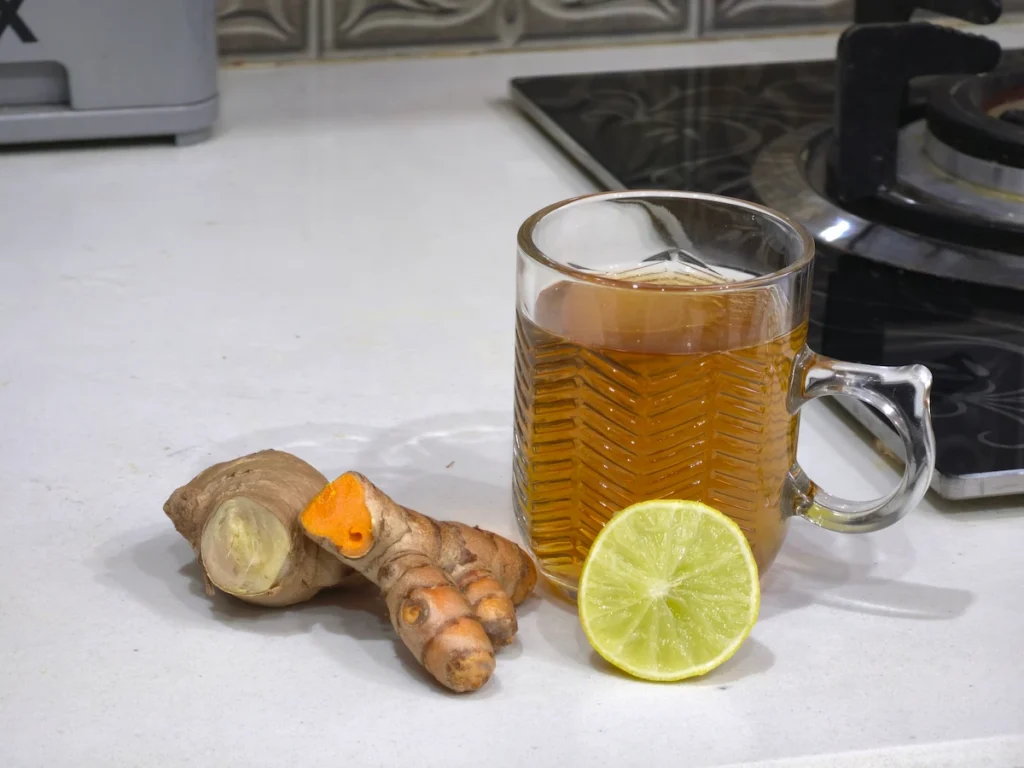
4. Strain and Serve Pour the tea through a fine mesh strainer into your favorite mugs. Discard the roots (or save them for a second weaker brew).
5. The Finish Let the tea cool for 3 minutes. It should be warm, not scalding. Now add your lemon juice and honey. Why wait? Boiling water destroys Vitamin C. It also kills the beneficial enzymes in raw honey. Adding them at a lower temperature preserves their value.
How to Drink It
Sip this tea slowly. You will feel a warmth in your throat. That is the ginger and pepper working.
Morning Routine: Drink it on an empty stomach to wake up your digestion. This habit is a great way to start a 7-day natural detox plan to reset your system.
Evening Routine: The warm spices are grounding. They can help you relax after a stressful day.
Have you tried making this with fresh roots yet? Let us know in the comments how you incorporate this ritual into your day.