
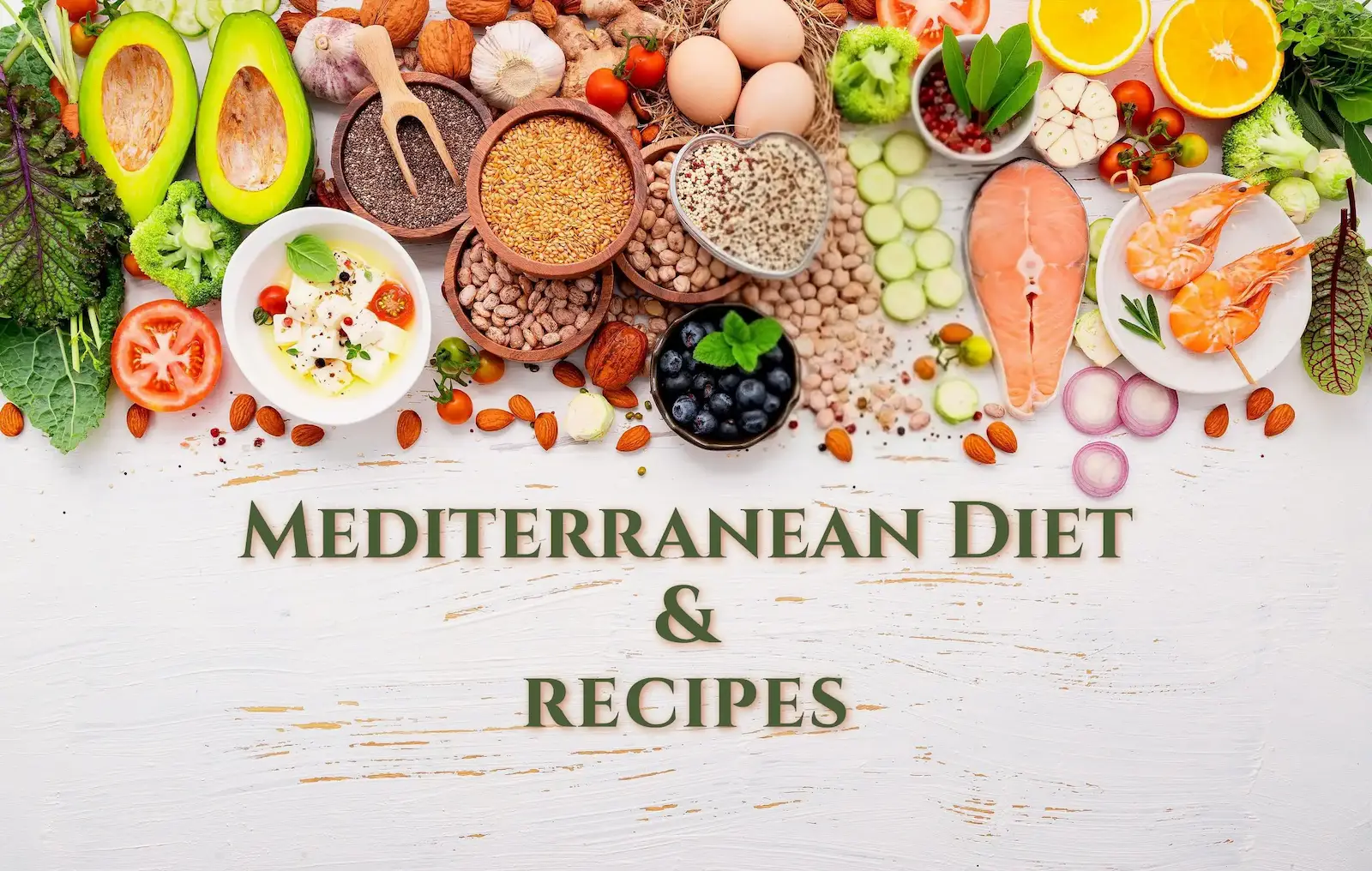
When people talk about Mediterranean diet recipes, they are often picturing plates full of olives, grilled fish, and golden drizzles of olive oil. The truth is, it is not about any one food. It is about how it all fits together.
This way of eating isn’t built on rules. It’s built on rhythm — fresh produce, grains with fiber, real fats, and recipes that feel like home cooking. No factory-made blends or synthetic ingredients — just the basics, done well.
In this guide, we’ll walk through Mediterranean diet recipes that are actually practical. They’re based on real ingredients, easy techniques, and health benefits supported by science. Whether you’re trying to eat cleaner, protect your heart, or just enjoy what’s on your plate, this is a good place to start.
And if you’re building out your meal rotation, you can borrow ideas from our pasta dishes that pack in more protein without feeling heavy and also take a look at our article on using clean, real spices to bring more depth to everyday cooking.
What Makes a Mediterranean Diet So Healthy and Real?
People talk about the Mediterranean diet like it is a special plan, but on the plate it looks like normal food. Regular family meals with vegetables, good oil, simple grains, fish when you can. So what is it about that mix that keeps showing up in health research and still feels real and doable?
The Science-Backed Health Benefits
You’ve probably heard this before — the Mediterranean diet is one of the healthiest eating patterns in the world. But that’s not marketing. It’s backed by decades of research.
Long-term research on Mediterranean-style eating shows lower rates of heart disease, stroke, and chronic inflammation in people who follow this pattern on a regular basis. Large medical groups also link this way of eating to better brain health and a lower risk of cognitive decline as we age. Your daily meals can support both your heart and your mind in a quiet, consistent way.
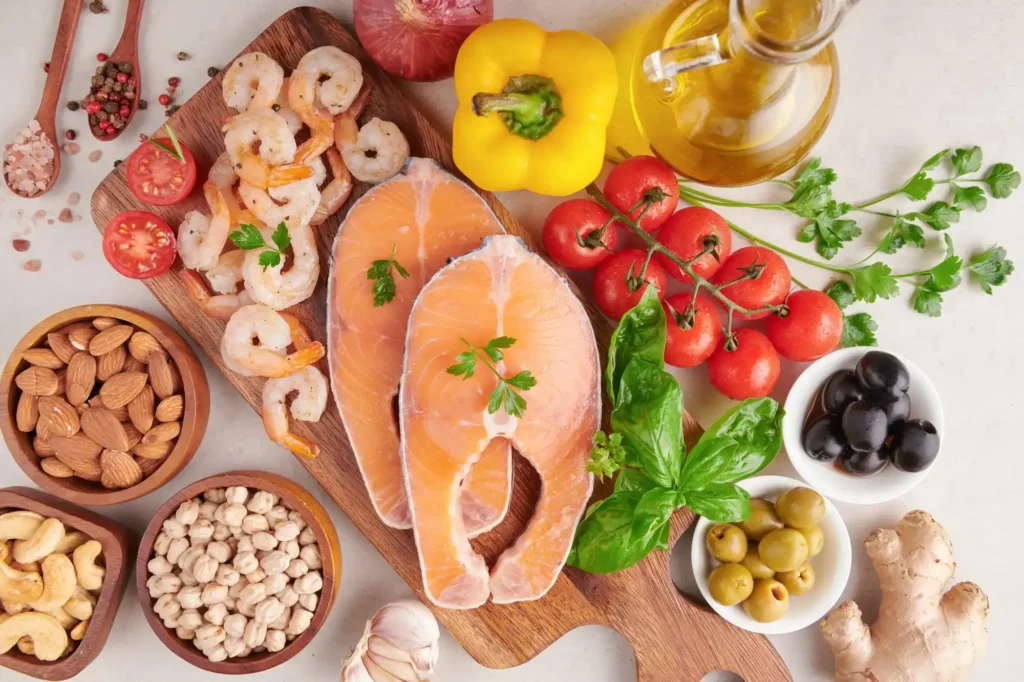
Why does it work? It’s not magic — it’s meals made with olive oil, fiber from legumes, plant diversity, and omega-3s from seafood. These ingredients reduce inflammation and support a more stable metabolism. The best part? It’s a way of eating you can stick with.
Real Ingredients Over Rules
There’s no strict list of “yes” or “no” foods. Instead, it’s about making most of your meals from things that don’t come with a barcode. Think lentils, tomatoes, garlic, grains, fish, and fresh herbs. Add olive oil, not artificial dressings. Snack on nuts, not puffs.
We already explored this way of eating in our guide on choosing clean plant proteins, where foods like beans and lentils carry most of the protein and taste. If you want a clear picture of how a balanced Mediterranean-style plate is put together, look at this pyramid that sets out grains, vegetables, healthy fats, and proteins in simple layers. What would that kind of plate look like on your own table?
Mediterranean Diet Recipes Made Simple for Real Life
Each of the Mediterranean diet recipes below is clear, easy to follow, and loaded with ingredients that match this way of eating. Real, simple food that still feels satisfying. Whether you’re cooking for one or prepping for the week, these fit right into everyday life.
1. Mediterranean Chickpea Salad (No-Cook, High Protein Recipe)
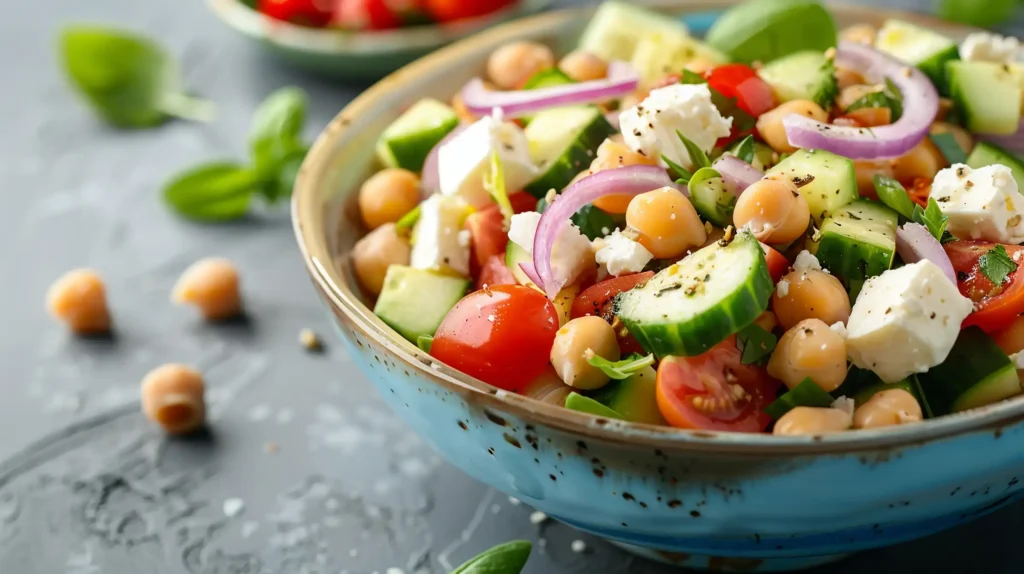
This 10 minute salad is bright, protein rich, and full of gut friendly fiber. It is one of those Mediterranean diet recipes you can throw together for lunch or a light dinner.
Ingredients:
- 1 can (15 oz) chickpeas, rinsed and drained
- 1 cup diced cucumber
- 1 cup halved cherry tomatoes
- ¼ cup finely chopped red onion
- 2 tbsp chopped fresh parsley
- Juice of ½ lemon
- 1½ tbsp extra virgin olive oil
- Pinch of cumin or sumac
- Salt to taste
Directions:
- In a large bowl, combine chickpeas, cucumber, tomatoes, onion, and parsley.
- Drizzle with olive oil and lemon juice.
- Add cumin or sumac and toss everything gently.
- Chill for 10 minutes or serve immediately.
This kind of mix shows up in our list of everyday foods that help your immune system stay steady. Chickpeas, garlic, and lemon all repeat there, because they pull their weight in simple daily meals.
2. One-Pan Baked Cod with Olive Oil and Tomatoes
A light Mediterranean-style dinner with minimal cleanup. High in omega-3s and flavor.
Ingredients:
- 2 cod fillets (about 5–6 oz each)
- 1 cup cherry tomatoes, halved
- 2 garlic cloves, thinly sliced
- 1 tbsp capers (optional)
- 2 tbsp extra virgin olive oil
- Salt and pepper to taste
- Lemon wedges to serve
Directions:
- Preheat oven to 400°F (205°C).
- Place cod fillets in a small baking dish. Scatter tomatoes, garlic, and capers around.
- Drizzle olive oil evenly. Season with salt and pepper.
- Bake for 15–20 minutes, or until the fish flakes with a fork.
- Serve with lemon and steamed greens or grains.
3. Spiced Lentil Stew with Fresh Herbs
Comforting, earthy, and full of anti-inflammatory spices. Ideal for meal prep.
Ingredients:
- 1 cup red lentils, rinsed
- 1 medium carrot, diced
- 1 small onion, chopped
- 2 garlic cloves, minced
- 3 cups low-sodium vegetable broth
- 1 tsp ground cumin
- ½ tsp paprika
- ¼ tsp turmeric
- Salt and pepper to taste
- 2 tbsp chopped parsley or cilantro (for topping)
Directions:
- In a large saucepan, sauté onion and garlic until soft.
- Add carrot, lentils, broth, and spices. Bring to a simmer.
- Cover and cook for 20–25 minutes until lentils are soft and stew is thick.
- Taste and adjust seasoning.
- Finish with fresh herbs and a drizzle of olive oil.
Turmeric and cumin also show up in our breakdown of clean spices you can use in everyday cooking, where we talk about how they may help with long-term inflammation when they are part of regular meals.
4. Simple Farro Bowl with Greens and Feta
A buildable bowl that’s warm, satisfying, and loaded with fiber and healthy fats.
Ingredients:
- ¾ cup dry farro
- 2 cups fresh spinach
- ½ cup roasted red peppers, sliced
- 2 tbsp chopped olives
- ¼ cup crumbled feta
- 1 tbsp extra virgin olive oil
- Juice of ½ lemon
- Salt and pepper to taste
Directions:
- Cook farro according to package (usually about 25 minutes).
- In a skillet, lightly sauté spinach in olive oil until wilted.
- Assemble bowl: farro base, then spinach, peppers, olives, and feta.
- Drizzle lemon juice and season to taste.
Tip: Swap spinach for kale, or feta for grilled tofu if you’re dairy-free.
5. Yogurt with Olive Oil and Nuts (Quick Mediterranean Dessert Recipe)
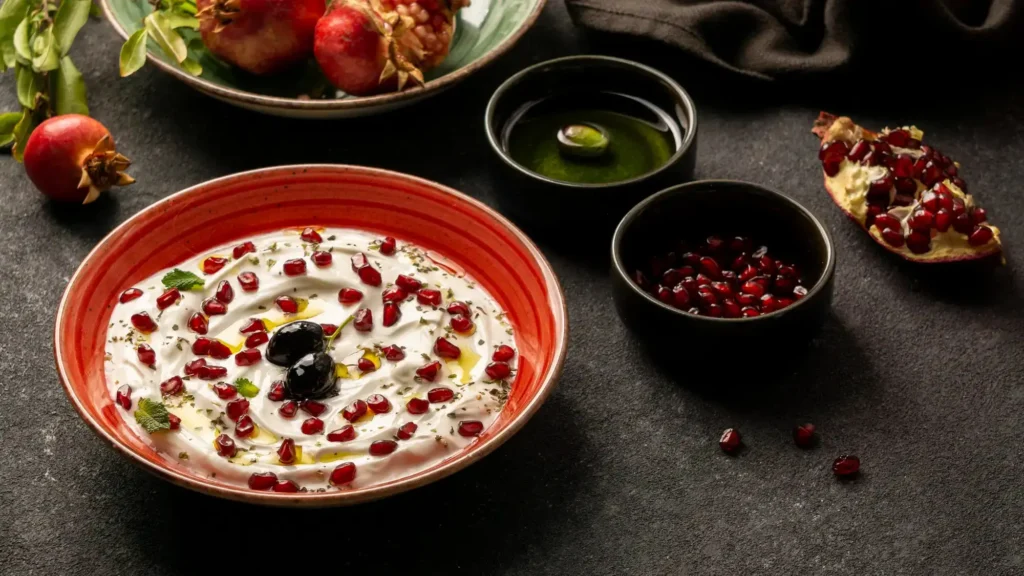
A naturally sweet, probiotic-rich treat that takes 2 minutes to prepare.
Ingredients:
- ½ cup plain Greek yogurt
- 1 tsp extra virgin olive oil
- 1 tbsp chopped walnuts or pistachios
- Pinch of cinnamon or a few pomegranate seeds (optional)
Directions:
- Spoon yogurt into a small bowl.
- Drizzle olive oil on top.
- Sprinkle with nuts and your choice of cinnamon or fruit.
- Serve chilled.
This simple dessert skips the sugar crash — and still hits the spot.
How to Build Your Own Mediterranean Meals (No Overthinking Needed)
Some nights you stand in front of the fridge and think, okay, what now. This is where a Mediterranean style meal actually feels simple. You reach for a grain, some vegetables, a bit of protein, a small splash of good fat, and you already have the base of a solid plate.
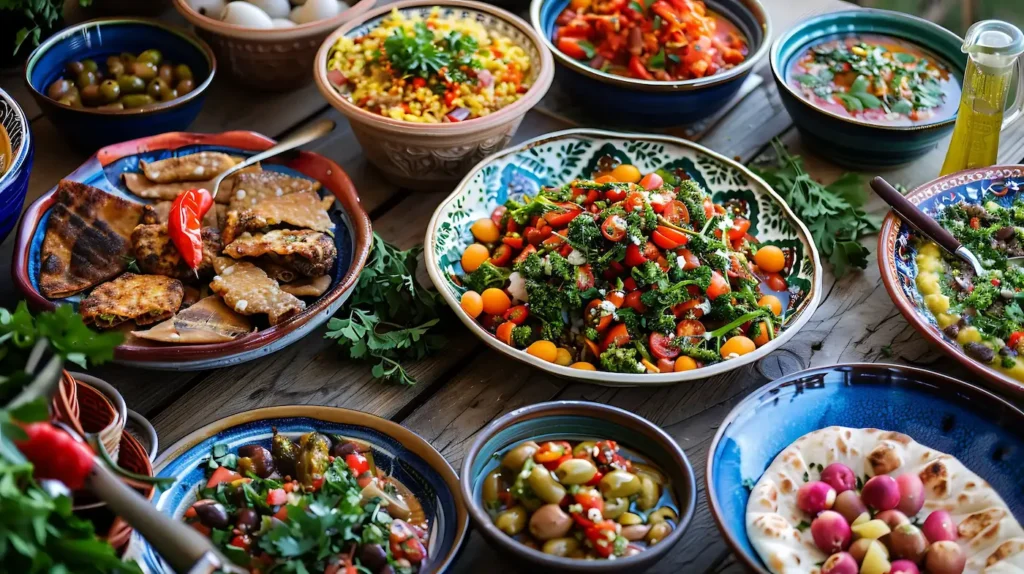
Use the 4-Element Mediterranean Meal Builder
When in doubt, just build your plate with four elements:
- Grain: Farro, brown rice, or whole grain bread
- Protein: Beans, fish, eggs, or yogurt
- Vegetables: Raw, roasted, or sautéed
- Fat: Olive oil, nuts, or tahini
This approach mirrors how Mediterranean families have eaten for generations — no overthinking, just real ingredients working together.
You can also look at this Mediterranean eating pattern rooted in tradition, built on years of diet research. It focuses on whole foods, plenty of plants, and moderate portions without relying on alcohol.
Mediterranean Staples to Always Keep at Home
If your pantry and fridge are stocked with the right basics, you’ll always have something healthy to reach for. Here’s what helps most:
Pantry:
- Chickpeas, lentils, white beans
- Olive oil
- Brown rice, whole grain pasta, quinoa
- Garlic, onions, dried herbs
Fridge:
- Greek yogurt
- Leafy greens
- Feta or halloumi
- Fresh herbs and lemons
These ingredients play nicely together, and they last longer than you’d expect — perfect for busy weeks.
Smart Tips to Keep Your Mediterranean Diet Healthy & Sustainable
When Simplicity Is the Healthiest Choice
You don’t need complex meals to eat well. Some of the most nourishing Mediterranean dishes are the simplest: grilled zucchini with hummus, lentils and greens with olive oil, or just good bread with a spread of tahini and a sprinkle of za’atar.
The more you trust your ingredients, the less you need to do to them.
Batch Cooking & Leftovers: The Mediterranean Way
Make a big pot of lentils or grain at the start of the week. Use it in salads, soups, or wraps over the next few days. Leftover grilled vegetables? Add them to tomorrow’s farro bowl. Yesterday’s stew? Serve it over rice or stuff it into a pita.
Need ideas? Our high-protein pasta blog shows how to stretch one meal across multiple days. And our upcoming 7-day Mediterranean diet meal plan will make this even easier.
Final Thoughts: A Diet That Feels Like Living, Not Limiting
The Mediterranean diet is not a strict plan that takes away everything you like. You lean on a few Mediterranean diet recipes most of the time, and there is still room for the foods you enjoy. Eating starts to feel helpful again instead of like another thing to worry about.
You don’t need to cook every recipe at once. Try one. See how it makes you feel. Then go from there.
Healthy, simple, and real — that’s how it’s always been. And that’s where the magic is.