Why a Mediterranean Diet Meal Plan Works
Starting a Mediterranean diet meal plan can feel overwhelming, but this approach offers a refreshing change. It is not a temporary fix. Instead, it is a sustainable lifestyle shift that focuses on nourishing your body with wholesome, everyday ingredients.
Science Behind the Mediterranean Meal Pattern
Have you ever wondered why some people live past 100 without strict diets? The Mediterranean diet is a proven way of eating rooted in cultures known for long, healthy lives. For instance, major clinical trials tracking thousands of adults show that this eating pattern helps lower the risk of heart disease, protect memory, and reduce markers of inflammation. Next, recent medical data from the National Institutes of Health reveals that following the diet closely can lower the risk of early death by up to 23 percent.
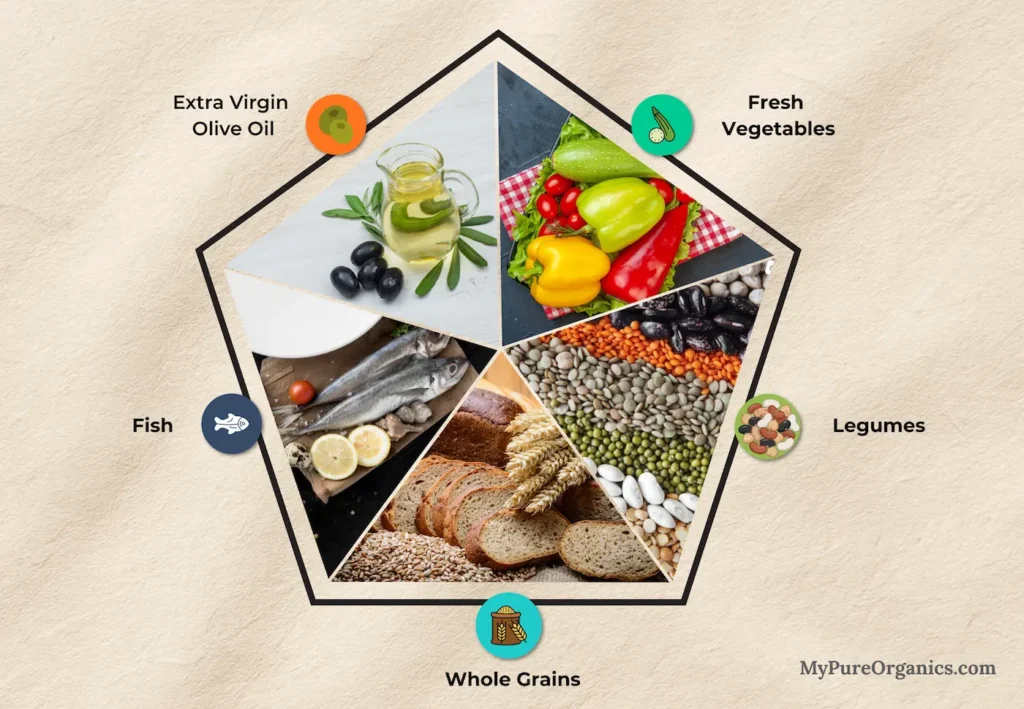
What makes it work so well? It is the balance. You eat plenty of vegetables and fruits, whole grains, legumes, healthy fats like olive oil, and lean proteins such as fish. Together, these nutrients act as a team to reduce physical stress on your cells and keep your blood sugar steady. As a result, you achieve this without feeling hungry or deprived.
Because of this balance, the diet directly supports healthy body weight management. For this reason, if you want a reliable diet plan for weight loss, this approach works beautifully to help you reach your goals without stress.
What Makes It So Sustainable (Even on Busy Weeks)
Do you feel overwhelmed by complicated diets? You are not alone. One reason people stick with the Mediterranean diet meal plan is its simplicity. You do not need exotic ingredients or complicated recipes. Instead, it leans on pantry staples and seasonal produce that last. Think of things like lentils, canned fish, oats, and olive oil.
It fits different lifestyles, too. For example, if you are cutting back on dairy, eating more plant-based foods, or just cleaning up your meals, this way of eating makes room for it. Because it leans heavily on everyday staples like garlic, leafy greens, and lentils, it naturally supports your immune system. You can read more about this in our guide to 20 of the most effective immune-boosting foods.
Three Powerful Foods for Your Mediterranean Diet Meal Plan
To get the most out of a heart-healthy eating pattern that naturally lowers the risk of weight gain, you should focus on foods that pack a big nutritional punch. Specifically, three ingredients offer incredible benefits for your heart and brain.
Oats for Heart Health
Oats contain a special type of soluble fiber called beta-glucan. When you eat a bowl of oatmeal, this fiber mixes with water in your stomach. Next, it forms a thick gel. This gel grabs onto bile acids in the gut and carries them out of the body.
The liver then needs to make new bile acids. To do this, it pulls cholesterol directly out of the blood. Clinical data proves that eating just 3 grams of oat beta-glucan every day lowers bad cholesterol levels. As a result, this simple morning habit protects your arteries and keeps your heart pumping strong.
Pomegranates for Blood Pressure
Pomegranates are packed with rare antioxidants. The most powerful ones are called punicalagins. These compounds stop bad cholesterol from oxidizing and sticking to your artery walls.
Studies show that drinking pomegranate juice or taking an extract can actually lower systolic blood pressure. In fact, The fruit reduces swelling inside the blood vessels. Adding pomegranate seeds to a salad or yogurt bowl provides a sweet crunch and serious medical benefits.
Eggplant for Brain Protection
Eggplants feature a dark purple skin that holds a unique nutrient called nasunin. This antioxidant specifically protects your brain. Human brain cells are wrapped in a layer of fat. This fat layer lets nutrients in and keeps waste out.
Free radicals constantly try to break down these fat layers. Because of this, nasunin acts as a shield. It stops free radicals from causing damage. It also acts as an iron chelator. This means it grabs onto extra iron in the blood and removes it before it can cause harm. Eating roasted eggplant provides direct support for long-term memory and focus.
Mediterranean Diet Meal Plan Basics (Before You Start)
Before you begin your first week, you need to set up your kitchen for success. Learning which ingredients to buy and understanding the basic daily framework will make your new routine smooth and simple.
Smart Staples to Stock First
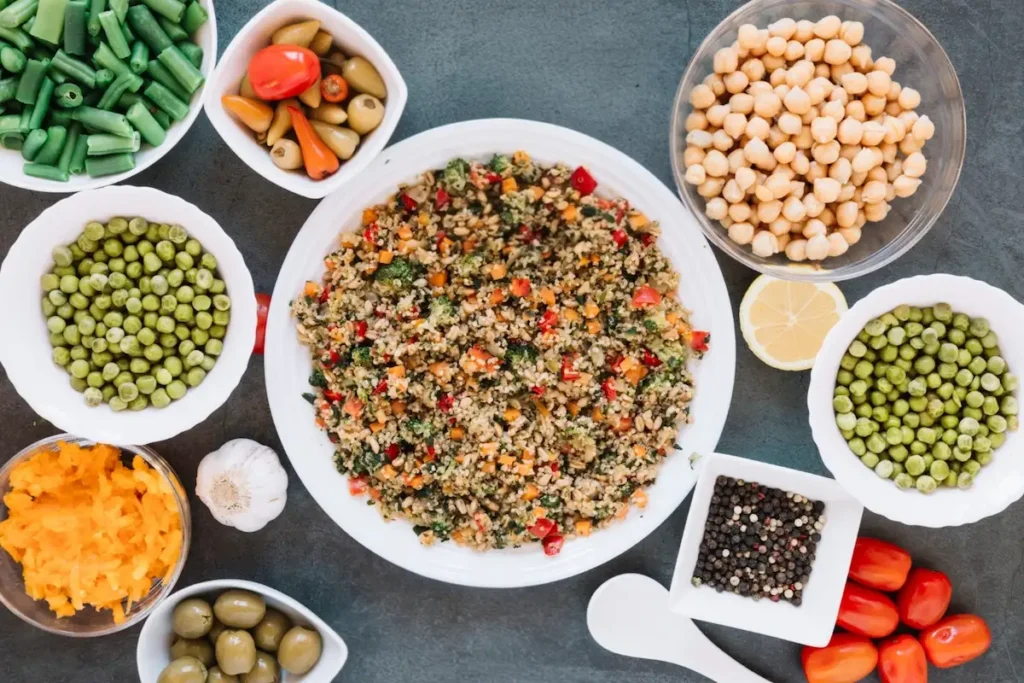
Setting up your kitchen is half the battle. Here is what you should have on hand:
Dry Goods:
- Quinoa, farro, oats, brown rice
- Canned beans: chickpeas, white beans, lentils
- Whole grain pasta or sprouted bread
Healthy Fats:
- Extra virgin olive oil
- Raw nuts: walnuts, almonds, pistachios
- Nut butters or tahini
Produce & Refrigerated:
- Spinach, kale, zucchini, tomatoes, onions, garlic
- Lemons, cucumbers, fresh herbs (parsley, mint)
- Greek yogurt, halloumi, feta
- Canned sardines or wild-caught salmon
These ingredients are versatile, long-lasting, and form the backbone of your weekly plan.
Daily Meal Structure Made Simple
You do not need a meal app to make this work. Just follow a simple rhythm:
- Breakfast = Fiber + Protein + Healthy Fat
- Lunch = Grain + Veg + Protein
- Dinner = Cooked Veg + Protein + Healthy Carb
Most recipes in this plan are inspired by our collection of simple Mediterranean meals. They are simple, delicious, and built for real life.
The 7-Day Mediterranean Diet Meal Plan (Recipes + Tips)
Each day of this plan balances plant-based nutrients, healthy fats, and clean protein. You achieve this all without relying on anything ultra-processed. Meals are built around ingredients your body recognizes and can use well, like fiber-rich grains, omega-3 sources, and anti-inflammatory herbs. Portions are realistic, flavors are fresh, and prep is simple.
Day 1: Bright and Balanced Start
Breakfast: Greek yogurt with blueberries, a sprinkle of chia seeds, and a drizzle of extra virgin olive oil.
Why it works: This combination provides probiotics, antioxidants, and healthy fats to ease digestion and stabilize blood sugar.
Lunch: Mediterranean chickpea salad made with cucumbers, cherry tomatoes, parsley, lemon juice, and olive oil.
Why it works: Chickpeas are rich in fiber and plant-based protein, helping you stay full longer without spiking blood sugar.
Dinner: One-pan cod baked with cherry tomatoes, garlic, and olive oil.
Why it works: Cod offers lean protein and selenium. The olive oil and tomatoes deliver anti-inflammatory support and lycopene, a plant compound known for heart protection. Also, baking the fish takes only twenty minutes, making it perfect for busy evenings.
Day 2: Whole Grains and Greens Combo
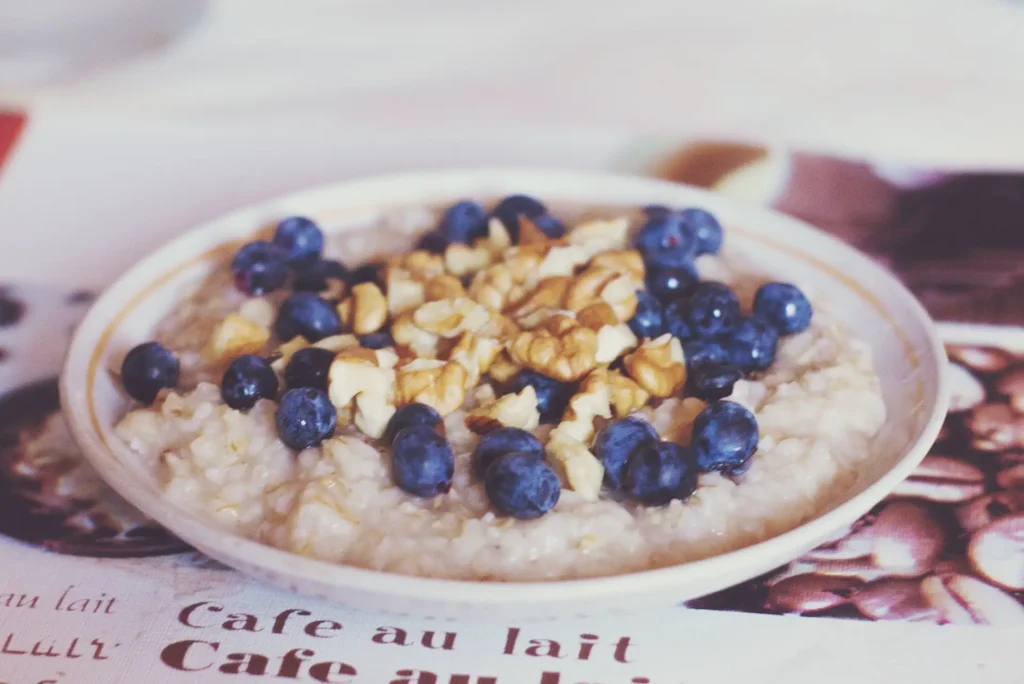
Breakfast: Rolled oats topped with chopped walnuts, olive oil, and cinnamon.
Why it works: Oats contain beta-glucan, a soluble fiber that helps lower LDL cholesterol. Walnuts bring ALA omega-3s, a plant-based fatty acid with anti-inflammatory benefits.
Lunch: Farro bowl with sautéed spinach, roasted red peppers, olives, and feta cheese.
Why it works: Farro is an ancient grain rich in magnesium and slow-digesting carbs. Spinach and olives contribute potassium and polyphenols. You can prep the farro ahead of time to save precious minutes during your lunch break.
Dinner: Spiced lentil stew served with warm whole wheat pita.
Why it works: Lentils are loaded with folate and iron and work well as a meat-free protein base. Add cumin or turmeric to enhance anti-inflammatory effects.
Day 3: Omega-3 and Fiber Boost
Breakfast: Avocado on sprouted grain toast, topped with a pinch of sea salt and sesame seeds.
Why it works: Avocados provide monounsaturated fats and potassium. Sprouted bread enhances fiber absorption.
Lunch: Sardine salad with mixed greens, lemon juice, and fresh herbs like dill or parsley.
Why it works: Sardines are rich in DHA and EPA. These are two omega-3s shown to protect heart and brain health. Lemon adds vitamin C, which boosts iron absorption from the greens. Do not let canned fish intimidate you; it is a cheap and powerful superfood.
Dinner: Roasted eggplant with chickpeas and a drizzle of tahini.
Why it works: Eggplant contains nasunin, a powerful antioxidant. Chickpeas offer complex carbs and plant protein.
If you want to add more of these nutrients to your daily routine, exploring everyday foods packed with essential fatty acids can help you protect your heart and brain.
Day 4: Quick Mediterranean on a Budget
Breakfast: Cottage cheese with olive oil, crushed walnuts, and a pinch of za’atar.
Why it works: A mix of protein, fat, and herbs to keep you fueled through the morning.
Lunch: Simple lentil soup with onion, garlic, and carrots, served with toasted whole grain bread.
Why it works: Lentils are one of the most affordable superfoods. Canned or dry, they work well for meal prep. Plus, you get a massive amount of fiber that supports healthy gut bacteria.
Dinner: White bean and tomato stew seasoned with rosemary and a hint of paprika.
Why it works: This low-cost dinner hits all the right notes: fiber, flavor, and gut-friendly prebiotics.
Budget Tips: Choose frozen spinach over fresh if needed. Buy dried beans in bulk, and lean into seasonal produce to keep costs low without sacrificing nutrients.
Day 5: Build Your Own Bowl Day
Breakfast: Smoothie made with Greek yogurt, rolled oats, cinnamon, and banana.
Why it works: This keeps digestion slow and steady. It is ideal for stable morning energy.
Lunch: Farro tossed with grilled zucchini, bell peppers, and a scoop of tahini for creaminess.
Why it works: Grilled vegetables bring flavor and antioxidants. Tahini adds calcium and iron. You can customize this bowl with any leftover vegetables sitting in your fridge.
Dinner: Grilled fish or tofu served with a lemony arugula salad and a scoop of brown rice.
Why it works: A balanced plate that delivers all three macros, plus fiber and phytonutrients.
Day 6: Gut-Friendly Comfort Meals
Breakfast: Warm millet porridge cooked with water or almond milk, topped with chopped dates and almonds.
Why it works: Millet is gentle on digestion and naturally gluten-free. Dates provide natural sweetness and magnesium.
Lunch: Mediterranean quinoa tabbouleh with cucumber, parsley, tomato, and lemon juice.
Why it works: This light lunch delivers fiber, vitamin K, and immune-supporting polyphenols. Quinoa serves as a complete plant protein, giving your muscles the fuel they need to recover.
Dinner: Zucchini-tomato stir-fry with cooked lentils, seasoned with cumin and olive oil.
Why it works: Great for digestion, high in potassium, and naturally anti-inflammatory.
Day 7: Reset and Reflect
Breakfast: Greek yogurt bowl with pomegranate seeds, pistachios, and a dash of cinnamon.
Why it works: Pomegranate delivers punicalagins. These are powerful antioxidants that help reduce oxidative stress and inflammation. Research shows how pomegranate heart health habits support cardiovascular function and lower blood pressure.
Lunch: Whole grain wrap with hummus, shredded carrots, greens, and olives.
Why it works: This easy wrap delivers healthy fats, plant-based iron, and slow-burning carbs. It travels well, making it a great option if you need to eat on the go.
Dinner: Clean-out-the-fridge veggie bake made with leftover roasted vegetables and chickpeas.
Why it works: Add olive oil and herbs, bake until crisp, and top with a little feta if desired.
Meal Prep Tip: Any leftovers from today can be turned into quick lunches. Add them to rice bowls, toss into salads, or wrap them in a pita.
Tracking Your Mediterranean Diet Meal Plan Progress
How do you know if this meal plan is working for you? Pay attention to your daily energy levels and digestion. You should notice fewer afternoon crashes and better focus throughout the day. Your clothes might fit better, but the real victory happens inside your body. You are actively protecting your heart and feeding your brain the exact nutrients it needs to thrive.
Tips to Keep Your Mediterranean Diet Meal Plan Realistic
Quick-Prep Tips to Stay Consistent
Consistency does not mean spending hours in the kitchen. Here is how to keep it simple:
- Batch cook lentils, farro, or brown rice once per week.
- Store chopped herbs in a jar of water like a bouquet.
- Keep lemon, garlic, and olive oil on hand for quick sauces.
- Pre-portion snacks like nuts or hummus in small containers.
Healthy Does Not Have to Mean Complicated
This is not about gourmet plating. It is about putting real food together in smart, doable ways. As we always say: “Real food, prepared simply, does the most good.”
Even if you only make one new recipe this week, you are still moving forward. Keep it easy, and you will keep it going.
Frequently Asked Questions (Mediterranean Diet FAQs)
Can I do Mediterranean if I am dairy-free or vegan?
Yes, many recipes work without dairy. Replace Greek yogurt with almond or cashew yogurt, and swap feta for marinated tofu or avocado.
Is it okay to have coffee or tea on this plan?
Absolutely. Black coffee, green tea, or herbal infusions are all fine. Just skip the sugary syrups or heavy creamers.
What if I cannot find all the ingredients?
That is real life. You are not always going to have farro or fresh herbs sitting in your kitchen. That is perfectly okay. The beauty of Mediterranean-style meals is that they bend. No chickpeas? White beans work. No fresh spinach? Pull some from the freezer. It is not about hitting a checklist. It is about working with what is on hand.
Final Thoughts on Clean, Easy, and Real Eating
This plan is not about perfection. It is about momentum. With a few good staples and simple meals, you can eat better without stress. Rotate dishes from our selection of wholesome Mediterranean meal ideas, and revisit this 7-day structure whenever you need a reset.
Whether you are just starting out or looking to recommit to clean eating, this approach delivers results you can feel, and flavors you will actually crave. Sticking to these discussed foods and healthy fats lowers your risk of cardiovascular disease and protects your brain function as you age. You give your body the exact nutrients it needs to thrive while enjoying delicious, everyday meals.