Easy High-Protein Breakfast Recipes: 15 Quick Meals for Busy Mornings
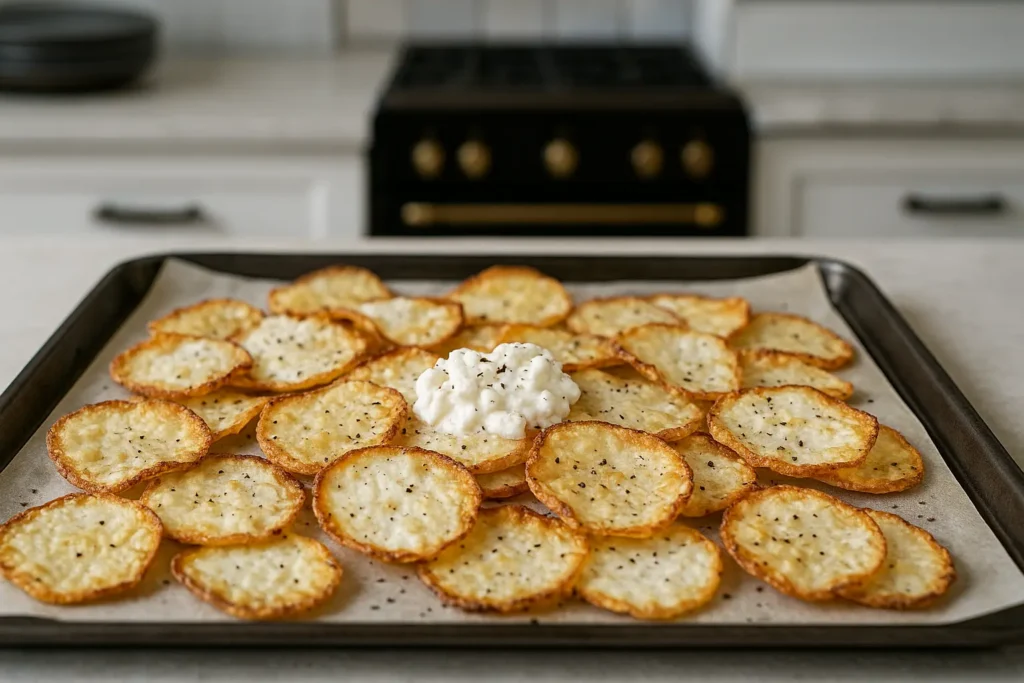
Mornings can be rough. You roll out of bed, hit the snooze button a few too many times, and then rush to get out the door. Grabbing something quick but actually filling can feel impossible. That is where a good protein-packed breakfast comes in. Protein keeps you full, fires up your metabolism, and helps keep your energy steady. You have muscles to fuel, a brain to power, and a day to conquer. You need more than just a sugary muffin or a carb-heavy bagel. Whether you are a gym rat, a busy parent, or just someone trying to eat cleaner, these high-protein breakfast ideas are here to make your mornings a bit easier. Why Choose an Easy High-Protein Breakfast? Research shows that protein-rich breakfasts offer multiple benefits. A clinical trial on high-protein breakfasts and blood sugar control found that eating 30 to 39 grams of protein in the morning increases satiety and lowers post-meal blood sugar and insulin responses. Furthermore, a clinical study on breakfast protein and muscle protein synthesis demonstrated that consuming about 30 grams of protein at breakfast as part of an even daily protein distribution significantly boosts 24-hour muscle protein synthesis compared with a low-protein morning meal. This specific synthetic response supports the physiological processes that help maintain lean muscle. What Makes a Good High-Protein Breakfast? You need more than just raw protein grams. You need balance. A solid high-protein breakfast should have: If you are a numbers person, checking the USDA FoodData Central nutritional profiles is a handy way to see exactly what you are eating. The Leucine Threshold and Muscle Growth Hitting a general protein goal is a great start, but specific amino acids matter just as much. Clinical research on optimal meal protein intake shows that muscle protein synthesis requires about 2.5 to 3 grams of the amino acid leucine per meal. Use this table to build meals that hit this crucial threshold. Protein Source Serving Size Total Protein (g) Leucine (g) Eggs 3 Large 18.7g 1.6g Greek Yogurt 1 Cup (245g) 25.2 2.5g Cottage Cheese 1 Cup (226g) 23.5g 2.4g Whey Protein 1 Scoop (28.7g) 16.7g 1.8g Data Transparency & Verification: Official USDA FoodData Central references provide the whole-food nutrient metrics in this guide. Because the USDA database excludes amino acid breakdowns for commercial whey powders, this table calculates the whey leucine value using a safe baseline of 11% of total protein. A National Institutes of Health comparative analysis of dietary protein amino acids shows that pure dairy whey naturally yields an 11.4% leucine concentration. Using an 11% multiplier gives readers a reliable and scientifically supported midpoint to track daily diets accurately. Easy High-Protein Breakfast Ideas for Busy Mornings Overnight Oats with Greek Yogurt and Chia Seeds Ingredients: Instructions: Protein-Packed Scrambled Eggs with Veggies Ingredients: Instructions: High-Protein Smoothie Bowls with Nuts and Seeds Ingredients: Instructions: Plant-Based Swap: Blend our high-protein organic berry smoothie bowl recipe for a completely dairy-free, frosty morning meal. Savory Chickpea Pancakes with Avocado Ingredients: Instructions: Cottage Cheese and Fruit Parfait Ingredients: Instructions: Craving a Crunch? Bake our crispy baked cottage cheese chips recipe to transform your soft cheese into a savory, crispy snack. Tofu Scramble with Spinach and Peppers Ingredients: Instructions: High-Protein Breakfast Wrap with Eggs and Turkey Ingredients: Instructions: Make-Ahead High-Protein Breakfasts Some mornings, you just need to grab your food and go. You have no time for pans, spatulas, or kitchen chaos. Here are a few meals that fit the bill. High-Protein Egg Bites (Two Ways) Ingredients: Instructions: Chia Pudding with Almond Butter and Berries Ingredients: Instructions: High-Protein Banana Pancakes (Using Whey Protein) Ingredients: Instructions: Quinoa Breakfast Bowls with Roasted Veggies Ingredients: Instructions: Egg-Free Alternative: Toss together our refreshing organic avocado and quinoa salad for a fiber-rich, plant-based meal with crisp garden vegetables instead of heavy roasted roots. On-the-Go High-Protein Breakfasts Sometimes you only have seconds, not minutes. Here is how you can stay full without slowing down. Protein Bars (Homemade vs. Store-Bought) Store-bought protein bars often hide heavy amounts of refined sugar and artificial preservatives. You can skip the processed junk and secure 100% clean nutrition by making these four-ingredient homemade bars instead. Ingredients: Instructions: Breakfast Burritos with Black Beans and Chicken Ingredients: Instructions: High-Protein Yogurt Cups with Granola Ingredients: Instructions: Peanut Butter and Banana Protein Smoothie Ingredients: Instructions: Hard-Boiled Eggs and Whole-Grain Bread Ingredients: Instructions: Tip: Want to upgrade your morning toast? Skip the store-bought loaf and pair your eggs with a slice from our guide to healthy, soft, and clean bread recipes. Tips for Making Breakfast High in Protein Small tweaks create big protein gains. Many adults eat 15 grams of protein or less at breakfast. Research on meal protein distribution and muscle protein synthesis shows that this low amount is suboptimal for stimulating muscle protein synthesis. Studies on protein-rich breakfasts and satiety show that a higher-protein breakfast increases fullness and improves appetite control throughout the day. When you consume more protein than your body needs, your body breaks down the excess amino acids for energy rather than storing them as protein. Are High-Protein Breakfasts Suitable for Everyone? Not everyone thrives on a protein-heavy morning. You need to know a few things before you start. Final Thoughts on Building an Easy High-Protein Breakfast Starting your day with protein goes beyond fitness goals. It is a smart move if you want to keep your energy up, your cravings down, and your mornings less chaotic. Whether you make a batch of egg muffins or just toss together a quick parfait, these ideas fit into even the busiest routines.
Easy High-Protein Breakfast Recipes: 15 Quick Meals for Busy Mornings Read More »