Organic Parenting

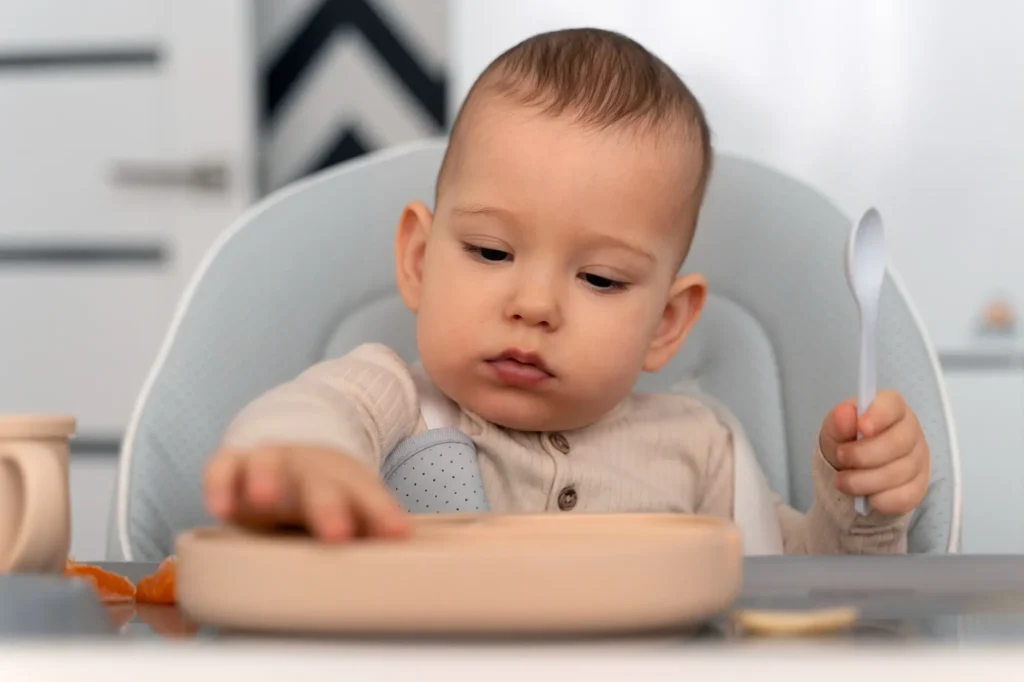
Baby sitting in high chair exploring first solid foods with spoon and plate

Stage 1 Foods for Infants: Organic and Easy Recipes

Starting solids can feel like a milestone and a mystery. That’s why getting clear on what stage 1 baby foods are — and how to approach them — is so helpful. You’ve just gotten into the rhythm of feeding and sleeping, and now suddenly — you’re steam-blending squash and second-guessing if peaches are too acidic. I felt that too. So let’s break this down in a way that’s useful, calming, and parent-tested. When Should Babies Start Stage 1 Foods? Most babies are ready for Stage 1 foods somewhere between 4 to 6 months. But this milestone isn’t just about age — it’s about signs of readiness. Signs Your Baby Is Ready Some babies show interest early. Some don’t until 6 months or even a little later. It’s normal. Still, always check with your pediatrician before starting solids. The American Academy of Pediatrics (AAP) recommends exclusive breastfeeding (or formula) until 6 months in most cases. Starting solids too early may increase the chance of choking or allergies, especially for babies not developmentally ready. What Exactly Are Stage 1 Baby Foods? When starting with stage 1 baby foods, focus on options that are smooth, easy to digest, and one-ingredient only. Think single-ingredient foods with a soft, smooth texture. This stage is about introducing one food at a time so your baby can learn new flavors — and you can easily spot any allergic reaction. They should be: Texture-wise, it’s often compared to thin applesauce. You can thin purees further with breast milk, formula, or a bit of water depending on what your baby needs. Why Organic Matters for Stage 1 Foods There’s no doubt about it — baby food is personal. And when it comes to picking between organic and non-organic, many parents ask, “Is it really worth it?” Here’s what we know: Babies eat more food per pound of body weight than adults. That means even tiny amounts of chemicals or contaminants can have a larger effect on their small systems. Multiple studies have found pesticide residues in conventional baby foods — including items labeled “natural.” In contrast, organic foods are grown without synthetic pesticides, herbicides, or genetically modified organisms (GMOs). They’re also processed without artificial preservatives or colorings. A small clinical trial published in Environmental Health Perspectives found that participants who switched to an organic diet had significantly reduced levels of pesticide metabolites in their urine, even after just a few days. For a baby whose brain and organs are still developing, that kind of reduction matters. Recent research backs this up. A 2024 study published in World Journal of Pediatrics found that infants fed organic formula had lower exposure to antibiotic-resistant bacteria compared to those using conventional formulas — likely because organic animal products are raised without routine antibiotics. Another systematic review highlighted that organic foods overall — including baby foods — consistently show lower levels of pesticide residues. That makes a real difference when you’re feeding a body that’s still growing and developing. What Does the USDA Organic Label Actually Mean? The term “organic” isn’t just marketing fluff. When you see a USDA Organic seal, here’s what it guarantees: The USDA requires organic baby foods to be produced without GMOs, artificial preservatives, or synthetic pesticides. Products labeled “100% organic” must meet strict federal standards. If you’re new to the world of organic baby food and want a full breakdown of what’s safe, what to look for, and how to get started, check out our guide: Organic Baby Food 101 – What Every Parent Should Know 5 Organic Stage 1 Baby Food Recipes (Quick & Safe) These are gentle, nutrient-rich, and beginner-safe. You don’t need fancy gear or hours of prep. Most take less than 15 minutes to make. 🥣 Butternut Squash Purée This one’s a favorite — rich in vitamin A, naturally sweet, and creamy. 🍐 Pear + Quinoa Purée Great for digestion and packed with fiber. Note: Quinoa is safe for babies after 6 months when cooked soft and offered in small amounts. Always introduce one new ingredient at a time. 🎃 Pumpkin Baby Purée Naturally sweet and high in beta-carotene. 🟢 Green Pea Purée A great source of plant-based protein and iron. 🍑 Peach Purée Perfect for summer babies. If you’re looking to try more gentle blends like this, I’ve shared several other go-to options here — ones that worked great for us during those early months: More Homemade Recipes for 6–9 Months Tools That Make Homemade Baby Food Easier You don’t need a fancy baby food maker. Here’s what worked for me: My Batch-Cooking Flow Batch-prepping a few stage 1 baby foods each week saves time and keeps your freezer stocked with safe, simple meals. For a full breakdown of the tools, timing, and freezing method I use, you can scroll to the homemade prep section inside this guide on feeding babies solids. It’s packed with realistic tips that won’t overwhelm you. What to Avoid in Stage 1 Feeding Even healthy foods can be risky if introduced too early. Here’s what to skip: Also avoid: Questions Parents Ask About Stage 1 Foods Is Organic a Must for Stage 1 Baby Foods? No. But if you’re picking and choosing, start with fruits and vegetables that tend to have higher pesticide residue. The EFSA (European Food Safety Authority) has flagged apples, grapes, and strawberries as some of the most pesticide-contaminated produce over the years. While recent reports show progress — with a noticeable dip in pesticide residues — these fruits still sit high on the watchlist. If you’re a parent shopping for a baby just starting solids, it’s smart to stay cautious and consider buying these organic when you can. What if my baby rejects the puree? Totally normal. It can take 8–10 tries for babies to accept a new taste. Don’t give up — just try again later. Can I mix foods this early? Once you’ve tested single foods with no reaction, yes. You can mix them slowly. For example, mix peas and pears once

Stage 1 Foods for Infants: Organic and Easy Recipes Read More »
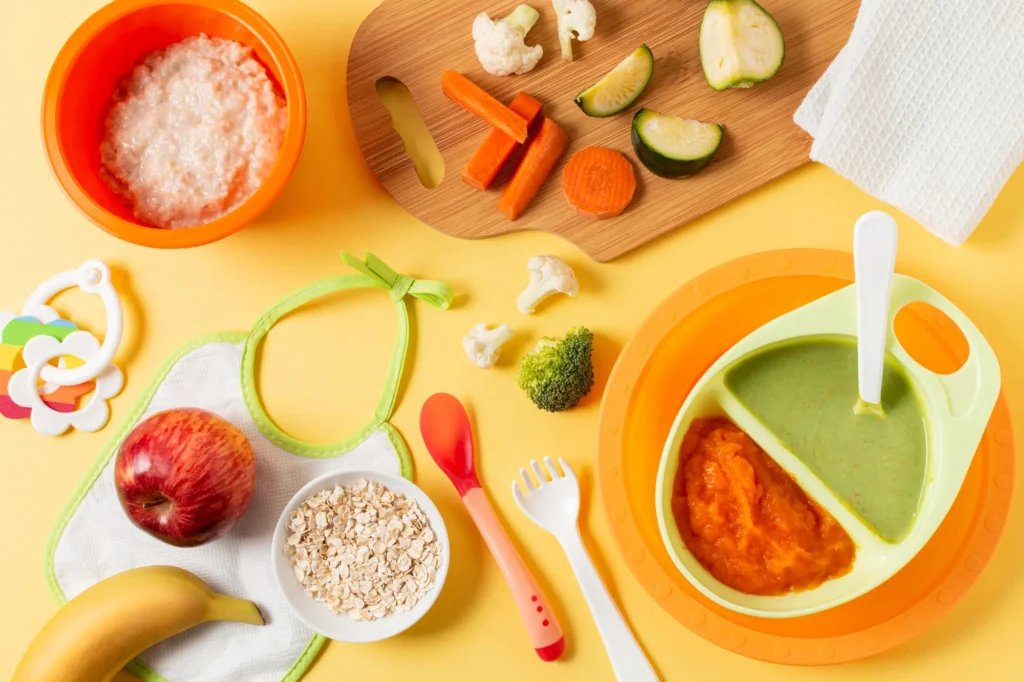
Homemade baby food in bowls with fresh fruits, vegetables, oats, and baby utensils on yellow background

Homemade Baby Food: Benefits, Recipes, & Store-Bought Comparison

Why Homemade Baby Food Is Worth Considering There’s something calming about homemade baby food. You know exactly what’s in it. No scanning fine print. No wondering what “natural flavor” really means. You just steam, mash, or blend it yourself — and that’s that. As a result, more parents are going back to basics with homemade baby food. It’s not about chasing perfection — instead, it’s about trust. You pick the ingredients. Skip the weird additives entirely. And what you get? A little more peace of mind. A 2021 investigation by Consumer Reports found concerning levels of heavy metals like arsenic and lead in some major commercial baby foods — even the organic ones. It’s not meant to scare anyone, but it does make you stop and think. And for many parents, that’s the moment they decide to try making a few meals at home. Let’s be real: most of us don’t start making baby food because we suddenly want to be gourmet chefs. We start because something sparks a little doubt. It’s not one big reason. It’s often a bunch of little nudges — and once you try homemade once or twice, it doesn’t feel as intimidating. Key Benefits of Homemade Baby Food 1. No Strange Additives The list of ingredients? It’s what you put in. That’s it.No fillers, no stabilizers, and no “why is there sugar in a spinach puree?” moments. It’s clean, and babies seem to know the difference. You’ll see it on their face. 2. Full Ingredient Control If your baby has allergies, sensitivities, or you’re just trying to introduce one food at a time, homemade gives you that control. Even things like texture and consistency can be adjusted based on your baby’s needs or developmental stage. Store-bought can’t do that. 3. It Actually Tastes Better Let’s be honest — have you ever tried a jar of store-bought baby food? If so, you’ll know it’s… bland. Homemade has flavor. It smells like real food because it *is* real food. And when babies enjoy what they’re eating, they eat more of it. 4. It’s Cheaper Than You Think This was the kicker for me. One organic pouch of sweet potato puree costs around $2. A single organic sweet potato from the grocery store? Maybe 80 cents — and you’ll get 5+ portions out of it. Make a small batch, freeze in cubes, and you’ve got homemade meals for days. No fancy gear needed — just a blender and some containers. Explore these Tips to Make Baby Food Prep Easier Is Homemade Baby Food Actually Cheaper? Let’s Break It Down Let’s run the numbers quickly: Even when you factor in storage containers or silicone trays, the cost per meal drops significantly with homemade. It’s not just healthier — it’s budget-friendly. Homemade Baby Food vs Store-Bought: Nutrition Breakdown What Store-Bought Gets Right Let’s be clear — not all store-bought baby food is a problem. Surprisingly, some brands actually get a lot right. Companies like Once Upon a Farm and Yumi focus on organic ingredients, skip artificial preservatives, and go through rigorous safety checks. When you’re busy, having a trustworthy pouch on hand can be a real lifesaver — and that’s nothing to feel bad about. Still, not all options are created equal. A comprehensive investigation by Healthy Babies Bright Futures found heavy metals in 95% of tested store-bought baby foods — including popular name brands. That’s why checking labels and knowing which brands test for contaminants really matters. Why Homemade Still Wins in Most Cases Let’s be real — when you make it fresh, it just hits different. A steamed carrot, a soft pear, mashed up minutes before feeding? That holds on to stuff like vitamin C way better than anything squeezed into a pouch last fall. This study breaks down how vitamin C fades in shelf-stored baby blends. And commercial baby food? It’s cooked until nothing risky survives. Which is smart, sure. But that same heat takes a toll. Vitamins like B1, B6, and folate — gone, or nearly. You can’t see it, but your baby’s body knows. This paper explains how B-vitamins don’t hold up well in factory heat. Now… the packaging. Let’s talk about that. Some jars or containers still carry BPA, or similar stuff. Even “BPA-free” doesn’t always mean safer — it just means different. Homemade food? You skip the whole issue. No guessing, no wondering. Here’s a real study on how BPA leaches into baby food. This isn’t just about nutrition charts. It’s about control. Knowing exactly what’s in that spoon — and what’s not. Is Homemade Baby Food Safe? What I Learned the Hard Way One of the first things I googled when I started this journey?“Can homemade baby food go bad?” I was nervous. Like — is it okay if I keep it in the fridge longer than a day?Do I need to sterilize everything like I’m prepping for open-heart surgery?What if I mess something up? Turns out, it’s not that deep. You don’t need a special baby food lab in your kitchen. Just clean hands, clean tools, and a little common sense. Here’s what I learned by trial (and near-error): Not sure how long frozen baby food lasts, or how to thaw it safely? This frozen baby food guide breaks it all down — from storage to serving. I’m not saying I didn’t worry at first. I did. But once you get into a rhythm, it’s just part of the flow — like folding onesies or prepping snacks. In the end, you’re already being intentional about what your baby eats. This? Just another step in that same direction. 3 Easy Homemade Baby Food Recipes to Get You Started Want to keep it simple? Here are three beginner-friendly blends that take minutes — not hours — and taste like real food, not jar paste. 1. Apple Purée Peel two apples. Chop ’em up. Steam for 8 to 10 minutes until fork-tender. Toss in a blender. Add a splash of breast milk, formula,

Homemade Baby Food: Benefits, Recipes, & Store-Bought Comparison Read More »

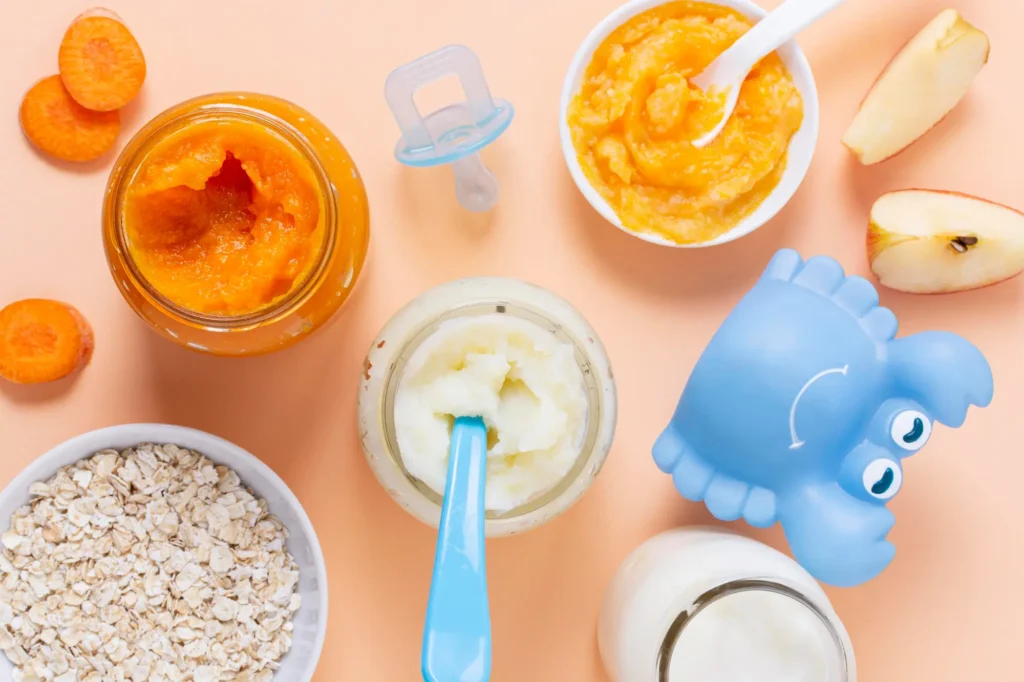
Homemade Organic Baby Food – Pureed Carrots, Apples, and Oats in Glass Jars

Organic Baby Food 101: What Every Parent Should Know

Feeding your baby? It’s a whole thing. Labels everywhere. Too many choices. It can get confusing, fast. And when you add organic baby food to the mix, it’s a whole new layer. What’s real? What’s just a label? Here’s a guide to cut through the noise, so you can feel good about what’s in that tiny spoon. What Is Organic Baby Food? Not just a label. It’s about what’s in the jar — and what’s not. No synthetic pesticides. No chemical fertilizers. No GMOs. If it’s got that USDA Organic seal, it means the whole process — from soil to shelf — met strict standards. No growth hormones. No antibiotics. No sketchy shortcuts. It’s about keeping it clean, from the ground up. And don’t get mixed up. “Natural” isn’t the same as “Organic.” Natural can mean almost anything. Organic? That one’s got rules. Why Does Organic Matter for Babies? Babies eat a lot for their size. And their bodies? They’re still figuring things out, which makes them more sensitive to what’s in their food. Non-organic produce can come with a side of pesticide residues. Even small amounts can be a big deal when you’re tiny and growing. The American Academy of Pediatrics says organic foods can cut down exposure to these residues and lower the risk of antibiotic-resistant bacteria. It’s not magic — just fewer chemicals, fewer risks. Pesticide exposure has been linked to health issues, and when farms cut back on antibiotics, it means fewer drug-resistant bacteria in the long run. But don’t expect organic to automatically mean more vitamins. Sometimes, the nutrient levels are pretty much the same. It’s more about cutting out the extras you don’t want. Store-Bought vs Homemade Organic Baby Food Store-Bought Organic Baby Food Sometimes, you just need fast. Store-bought organic baby food can be a lifesaver. Just look for that USDA Organic seal to know you’re getting the real thing. Keep it simple. The ingredient list shouldn’t read like a chemistry project. If it says “organic carrots,” it should just be carrots. Homemade Organic Baby Food Got a little time? Making baby food at home means you know exactly what’s in it. You pick the produce. No weird extras. Just the good stuff. Steam, bake, or roast soft fruits and veggies. Blend with a little breast milk, formula, or water. That’s it. Simple. Clean. Freeze in silicone ice cube trays. One cube, one meal. Easy to pop out, warm up, and serve. No special gadgets needed. Just a blender, a few containers, and a bit of time. You can mix it up, too. Apples and carrots. Peas and pears. Sweet potatoes with a pinch of cinnamon. Just keep it clean, keep it simple. How to Save Money on Organic Baby Food Organic doesn’t have to blow your budget. You just need a few tricks. If you’re looking for ideas, check out this homemade baby food guide — it breaks down recipes, cost tips, and when store-bought makes sense. When Should You Start Organic Baby Food? Most babies hit that “ready for solids” stage somewhere between 4 and 6 months, but not all at once. Every kid’s on their own timeline. Some are eager little foodies early on, others need a bit more time. Signs They’re Ready: Always run it by your pediatrician first. They’ll have a better idea of your baby’s growth, strength, and overall readiness. And when you do start? Go slow. One food at a time. Give it a few days before trying something new. If there’s a reaction, you’ll know exactly what caused it. How to Read Baby Food Labels Don’t just grab the jar with the cutest design. Flip it over. Check the fine print. Labels can be tricky. What’s on the front is marketing. What’s on the back? That’s the truth. And remember, long lists usually mean more processing. Simple is better. Clean is best. What Foods Should You Always Buy Organic? Some produce soaks up more chemicals. Thin skins, rough surfaces — they hold on to more. If you’re trying to cut down on pesticide exposure, these are the ones to buy organic when you can: When you can, go organic with these. Cuts down on the chemicals, which is better for you and the planet. Real Parent Questions (and Quick Answers) What if I can’t afford all organic? Start where it counts. The Dirty Dozen — the worst offenders when it comes to pesticide residue. If fresh organic feels like a stretch, hit the frozen aisle. Same nutrients, fewer dollars. Farmers markets? Sometimes a goldmine, sometimes a bust, but worth a look if you’ve got one nearby. Can I really make baby food at home? Yeah, you can. Doesn’t have to be a whole production. Steam a batch of veggies. Blend. Freeze in trays. One cube, one meal. Done. No fancy gear needed. Just a blender and some containers. How do I know what my baby likes? Try it. Then try it again. And again. Babies are weird. Sometimes it takes 8 to 10 tries before they stop making that face. Texture throws them off. Timing matters too. Keep at it. Final Thoughts You don’t have to go all organic to make smart choices. Focus on the foods that matter most, read labels, and do what you can. Organic isn’t about perfection — it’s about making better choices when possible. Next Steps? Check out these:

Organic Baby Food 101: What Every Parent Should Know Read More »

Scroll to Top