
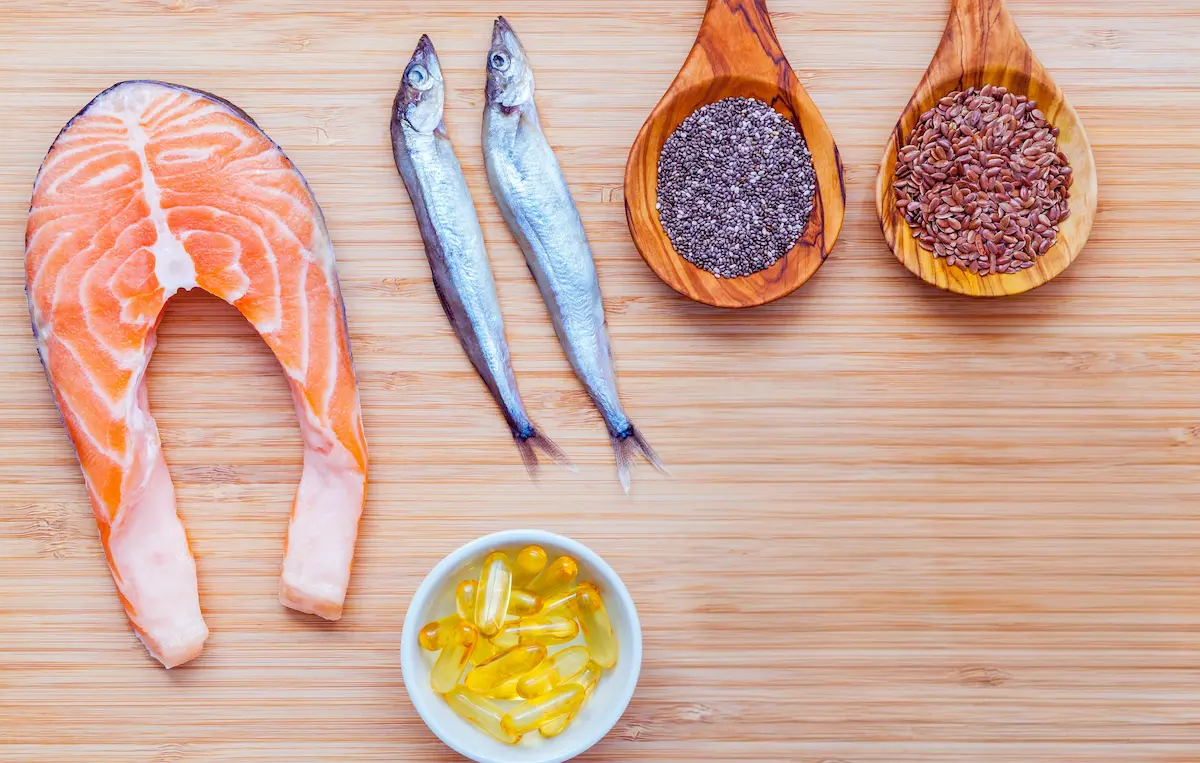
The Science of Essential Fats: ALA, EPA, and DHA
Healthy fats play a central role in human health. Your body requires specific types of dietary fat to build cell membranes, control inflammation, and support brain function. Your body can manufacture most types of fat from other nutrients. You cannot produce omega-3 polyunsaturated fatty acids from scratch, which is why you must include omega-3 rich foods in your diet.
To guarantee that you receive safe, evidence-based guidance for your daily nutrition, our editorial team analyzes raw data from the National Institutes of Health and peer-reviewed clinical trials. For example, we curate the specific foods listed in this report using exact macronutrient breakdowns from the United States Department of Agriculture (USDA) FoodData Central system, selecting items based on their measurable fat concentrations rather than popular dietary trends. Our analysis of how your body processes these fats relies on stable isotope-labelled clinical trials to provide the most accurate picture of human digestion.
The Three Main Types of Omega-3s
You must obtain these essential fats directly through your daily meals to support cardiovascular and cognitive health.
Scientists categorize these essential fats into three main types. In particular, each type serves a different purpose in your body.
- Alpha-linolenic acid (ALA): This is the most common form found in a standard diet. Plants, seeds, and nuts produce ALA. Your body uses ALA primarily for energy.
- Eicosapentaenoic acid (EPA): Marine life provides rich sources of EPA. Cold-water fish and microalgae contain massive amounts of this fat. EPA helps reduce cellular inflammation throughout your body.
- Docosahexaenoic acid (DHA): Marine animals and algae also provide DHA. DHA acts as a major structural component of your brain and the retina in your eyes.
The Alpha-Linolenic Acid Conversion Problem
Many plant-based eating plans rely heavily on flaxseeds and walnuts, because these foods contain large amounts of ALA. Yet, your body cannot use ALA directly for brain and heart tissue repair. Instead, your liver must convert ALA into EPA and then into DHA through a series of complex chemical reactions.
This conversion process is highly restricted. As detailed in a comprehensive clinical review on alpha-linolenic acid metabolic conversion rates, biological sex controls how well your body completes this process. In healthy young men, only about 8 percent of ALA converts to EPA, and less than 4 percent converts to DHA. Healthy women possess increased estrogen levels before menopause that boost this capacity, allowing them to convert approximately 21 percent of ALA to EPA and 9 percent to DHA.
Relying entirely on plant seeds for DHA presents a major nutritional challenge. For this reason, individuals who do not consume seafood often require direct supplementation with algal oil to maintain proper brain health, a strategy supported by clinical research on microalgal biofactories as a marine fat source.
The Omega-6 to Omega-3 Balance
The ratio of different fats in your meal plan dictates how well your body controls inflammation. Specifically, omega-6 fatty acids compete directly with omega-3 fatty acids for digestion. Soybean oil, corn oil, and processed foods contain massive amounts of omega-6 fats. Both types of fat require the exact same enzymes for your body to process them.
When you consume too much omega-6, your digestive enzymes become overwhelmed. As a result, this competition further reduces the already low conversion rate of ALA into EPA and DHA.
Historical human diets maintained an omega-6 to omega-3 ratio of roughly 1 to 1. Today, modern dietary habits have pushed this ratio to 15 to 1 or even higher. A highly imbalanced ratio promotes chronic low-grade inflammation. Ultimately, this hidden inflammation increases your risk of cardiovascular events and autoimmune conditions.
Lowering your intake of processed vegetable oils helps your body process healthy marine fats much more effectively. By prioritizing omega-3 rich foods over processed oils, you can significantly improve this balance. If you want to balance your fat intake, you should explore our evidence-based guide on natural fatty liver reversal to learn how specific foods reduce internal inflammation.
Top Marine Omega-3 Rich Foods for EPA and DHA
Cold-water fatty fish provide the most concentrated, highly absorbable forms of EPA and DHA, making them the ultimate omega-3 rich foods. The American Heart Association guidelines for safe seafood consumption advise adults to consume at least two servings of fatty fish per week. A standard serving equals 3 ounces or 85 grams of cooked fish.
The following table details the exact EPA and DHA content in popular marine foods based on a standard 3-ounce cooked serving.
| Seafood Type | EPA Content | DHA Content | Total Essential Fats |
| Farmed Atlantic Salmon | 0.59 grams | 1.24 grams | 1.83 grams |
| Wild Atlantic Salmon | 0.35 grams | 1.22 grams | 1.57 grams |
| Atlantic Mackerel | 0.43 grams | 0.59 grams | 1.02 grams |
| Canned Sardines | 0.40 grams | 0.43 grams | 0.83 grams |
| Oysters (Wild Eastern) | 0.30 grams | 0.23 grams | 0.53 grams |
Note: Data sourced directly from the USDA FoodData Central database and National Institutes of Health (NIH) essential fatty acids fact sheets.
In fact, farmed salmon often contains higher levels of total fat compared to wild-caught salmon, because the exact nutrient profile depends heavily on the diet fed to the farmed fish. Smaller foraging fish, like sardines and mackerel, offer incredible nutritional density while maintaining very low levels of environmental toxins.
Traditional South Asian Seafood Choices
South Asian culinary traditions feature several unique fish species that provide excellent nutritional profiles. While standard Western databases often lack precise entries for these catches, independent marine profiling and regional data compiled by global agricultural organizations confirm their high yields of omega-3s. Incorporating these regional fish into a regular meal plan supports cardiovascular health effectively.

- Hilsa: This is a highly prized fish in Bengali cuisine. Hilsa thrives in the Bay of Bengal and migrates upstream to spawn. It offers a rich, buttery texture. A 100-gram serving of Hilsa delivers approximately 1.8 grams of omega-3s.
- Indian Salmon: Local markets often call this fish Rawas. This popular regional fish provides roughly 2.0 grams of omega-3s per 100 grams.
- Rohu: This is a common freshwater carp found across South Asia. While leaner than marine fish, Rohu still contributes a modest 0.3 to 0.5 grams of essential fats per 100-gram serving.
- Indian Mackerel: Local markets often call this fish Bangda. It provides approximately 2.65 grams of omega-3s per 100 grams. This fish is widely available and highly affordable.
Top Plant-Based Omega-3 Rich Foods for ALA
Plant foods deliver massive doses of ALA. While the conversion rate to EPA and DHA remains low, ALA still provides excellent cellular energy and supports overall heart health.
Adding seeds and nuts to daily meals is a simple way to increase total healthy fat intake. For creative ways to add seeds to your meals, check out our high-protein plant-forward meal plans.
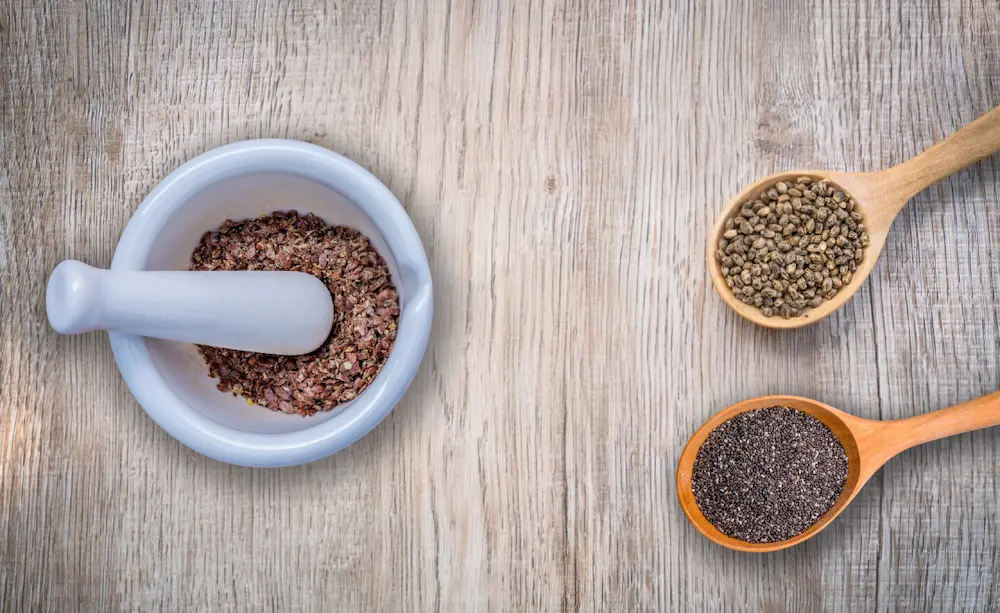
Best Seeds and Nuts Among Omega-3 Rich Foods
- Flaxseeds: Whole flaxseeds possess a tough outer hull. Because the human digestive tract cannot break down this hull easily, grinding flaxseeds into a fine powder unlocks their nutritional value. A single tablespoon of ground flaxseed provides approximately 1.6 grams of ALA.
- Chia Seeds: These tiny seeds absorb liquid and form a thick gel. They provide an excellent base for puddings and smoothies. One ounce of chia seeds delivers 5.05 grams of ALA. Chia seeds also provide high amounts of dietary fiber and complete protein.
- Walnuts: The skin of the walnut holds powerful antioxidants. For this reason, do not remove the skin before eating them. A one-ounce serving of English walnuts provides 2.57 grams of ALA. You can learn more about plant-derived alpha-linolenic acid for cardiovascular risk reduction and how it helps lower blood pressure.
- Hemp Seeds: Hemp seeds offer a slightly lower amount of ALA compared to chia seeds. Instead, they make up for this by providing a massive amount of high-quality protein. Three tablespoons of hemp seeds contain 2.6 grams of ALA.
- Cold-Pressed Mustard Oil: Traditional South Asian cooking relies heavily on mustard oil. Cold-pressed mustard oil. In fact, cold-pressed mustard oil contains about 0.8 grams of ALA per tablespoon. Unlike soybean oil, mustard oil maintains a much more favorable ratio of omega-6 to omega-3 fats.
The following table compares the ALA content of common plant foods.
| Plant Source | Standard Serving Size | ALA Content |
| Chia Seeds | 1 ounce (28 grams) | 5.05 grams |
| English Walnuts | 1 ounce (28 grams) | 2.57 grams |
| Ground Flaxseed | 1 tablespoon | 1.6 grams |
| Hemp Seeds | 3 tablespoons | 2.6 grams |
| Canola Oil | 1 tablespoon | 1.04 grams |
Note: Data sourced directly from the USDA FoodData Central database.
Clinical Evidence for Cognitive and Heart Health
Extensive clinical research links regular consumption of essential fats to specific medical outcomes. These fats do not just provide energy. They change how your cells operate.
A high intake of EPA and DHA alters the physical properties of human cell membranes. Specifically, These fats make the cell walls more fluid and flexible. Due to this, this flexibility allows cell receptors to function properly and communicate with the rest of your body.
Cardiovascular Protection
Marine fats help reduce the total amount of triglycerides in your bloodstream. High triglycerides increase the risk of blocked arteries. EPA specifically helps stabilize the electrical activity of the heart muscle. This stabilization lowers the risk of dangerous arrhythmias and sudden cardiac death.
The VITAL trial provides nuanced insight into these benefits. Researchers followed roughly 26,000 adults for five years. While the study authors concluded that daily marine fat supplements did not significantly lower the overall risk of major cardiovascular events or cancer in the general population, the data did reveal a massive 28 percent reduction specifically in heart attacks.
Cognitive Maintenance
DHA concentrates heavily in the brain tissue. Current clinical evidence from recent meta-analyses on cognitive function shows that older adults who consume fatty fish regularly experience a reduction in mild cognitive decline and early memory loss. Within the brain, DHA converts into specialized defensive molecules—such as neuroprotectin D1—which actively help protect cells and lower the risk of developing Alzheimer’s disease.
The Omega-3 Index Blood Test
You cannot guess your cellular fat levels simply by counting the fish fillets you eat each week. Individual differences in metabolism and genetics change how your body absorbs these fats.
Medical professionals use the Omega-3 Index to measure heart health. This specific blood test measures the exact percentage of EPA and DHA present in your red blood cell membranes. Red blood cells live for several months. Testing their membranes provides a highly accurate picture of your long-term dietary habits.
A target index of 8 percent or higher links directly to a lower risk of cardiovascular disease. In contrast, an index of 4 percent or less indicates the highest risk for sudden cardiac events. People eating a standard Western diet often fall into the high-risk category. Reaching the safe 8 percent target usually requires consuming at least 1,000 milligrams of EPA and DHA daily for twelve weeks.
Safe Consumption Limits and Heavy Metal Risks
Adding more fish to your diet requires careful consideration of environmental pollutants. Large predatory fish accumulate heavy metals in their muscle tissue over their lifespans.
The U.S. Food and Drug Administration advises pregnant women and young children to avoid shark, swordfish, king mackerel, and tilefish entirely. These species contain dangerous levels of mercury. Mercury exposure severely damages a developing fetal brain.
You should select smaller foraging fish instead. Sardines, anchovies, and Atlantic mackerel sit very low on the ocean food chain. These smaller fish provide massive amounts of EPA and DHA while carrying almost zero heavy metal toxicity.

Major health organizations recommend a daily intake of at least 250 to 500 milligrams of combined EPA and DHA for healthy adults. Patients with existing coronary heart disease often require up to 1,000 milligrams daily. According to the FDA, consuming up to 5 grams of marine fats daily is generally considered safe. However, exceptionally high doses can thin your blood and increase bleeding time, and taking 4 grams or more per day may slightly increase the risk of atrial fibrillation in individuals with existing cardiovascular issues.
Actionable Meal Planning Steps
You can improve your cellular health starting today. You do not need expensive supplements to see real results. Focus on adding high-quality whole foods to your existing meal routine. Incorporating omega-3 rich foods does not have to be difficult.
Start by checking your pantry for highly processed vegetable oils. Replace standard cooking oils with cold-pressed mustard oil or high-quality extra virgin olive oil. This simple swap helps fix your omega-6 ratio immediately.
Next, add seeds to your breakfast. Keep a jar of ground flaxseeds or chia seeds on your kitchen counter. Sprinkle one tablespoon of these seeds over your morning oatmeal or mix them into a protein smoothie. This adds a steady stream of ALA to your diet every single day.
Finally, plan two specific seafood meals each week. You do not need to buy expensive wild salmon every time. Canned sardines and mackerel offer incredible nutritional value for a fraction of the cost. Mix canned sardines into a fresh salad or serve them on top of whole-grain toast for a fast, heart-healthy lunch.
Building a clean, highly functional meal plan requires balancing marine sources with high-quality plant seeds. You can explore traditional recipes that naturally incorporate these healthy fats by checking out our traditional superfood guide for sustained energy and digestion. By combining smart seafood choices with daily seeds and nuts, you are building a diet full of omega-3 rich foods to give your brain and heart the exact building blocks they need to thrive.